


Network News
Alzheimer’s disease is the most common type of dementia, and early detection is important for better treatment. This study looked at small RNA molecules in the blood to see if they could help identify early signs of Alzheimer’s, especially in people with high levels of amyloid, a key Alzheimer’s marker. Researchers analyzed blood samples from […]
read more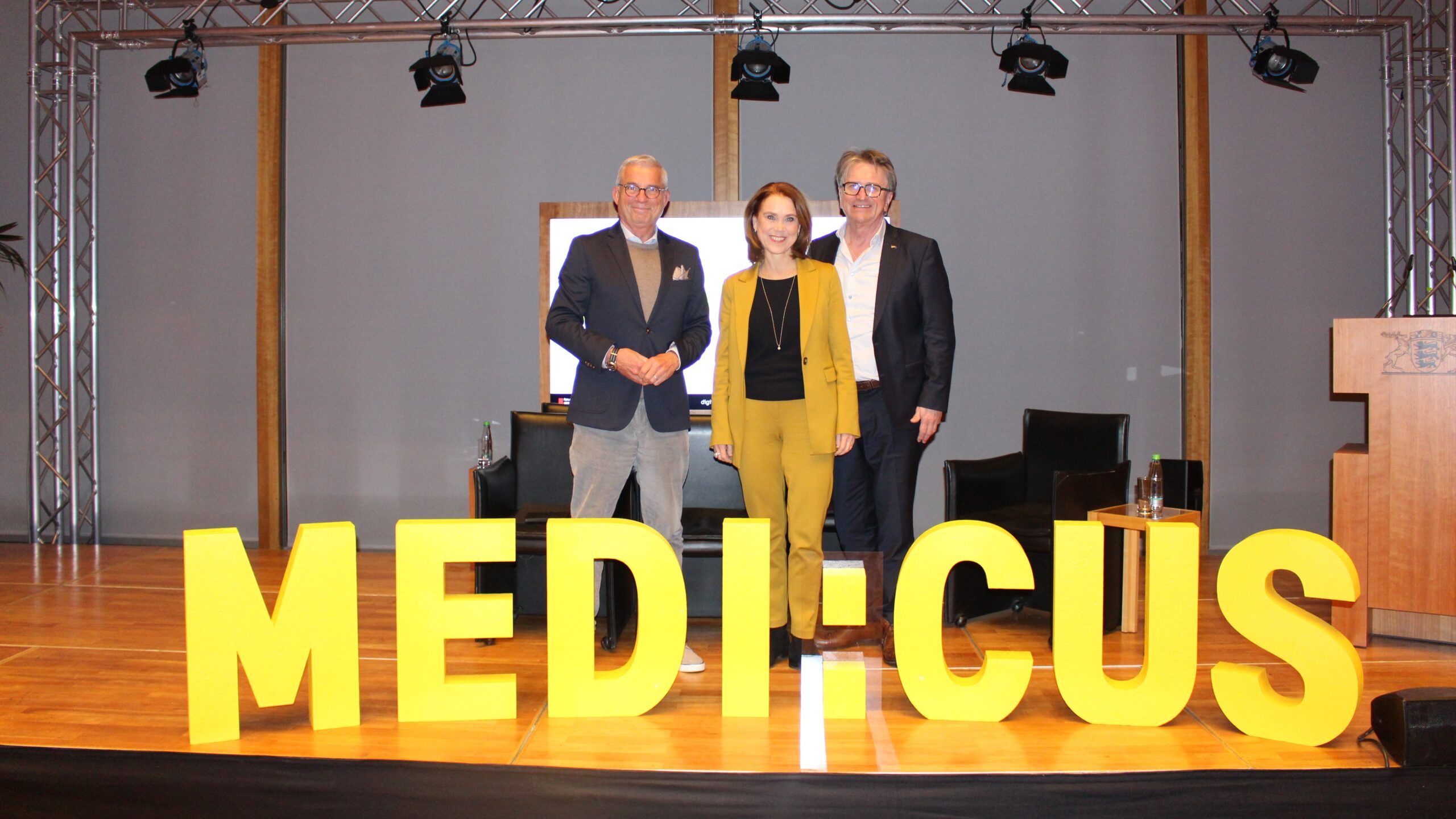
Medicine in the digital age: “MEDI:CUS” cloud for optimal healthcare
Data can save lives. However, in order for health data to be used for the benefit of patients, relevant data must be made available where it is needed. With the MEDI:CUS project, which is funded under the umbrella of the Forum Gesundheitsstandort Baden-Württemberg, the state of Baden-Württemberg is building a secure and data protection-compliant cloud-based […]
read more
AbbVie to Acquire Capstan Therapeutics, Further Strengthening Commitment to Transforming Patient Care in Immunology
NORTH CHICAGO, Ill. and SAN DIEGO, June 30, 2025 /PRNewswire/ — AbbVie (NYSE: ABBV) and Capstan Therapeutics, Inc. (“Capstan”), a clinical-stage biotechnology company dedicated to advancing in vivo engineering of cells through RNA delivery using tLNPs, today announced a definitive agreement under which AbbVie will acquire Capstan, including CPTX2309, a potential first-in-class in vivo tLNP anti-CD19 CAR-T therapy candidate, currently in Phase 1, in […]
read more
Strategic alliance for rare diseases: RHEACELL and AOP Health enter into strategic partnership to commercialize novel somatic cell therapies in Europe
Heidelberg/Germany, May 27, 2025. RHEACELL announced today that it has entered into an exclusive partnership agreement with the AOP Health Group, who will commercialize RHEACELL’s two stem cell products, EBESANAR® and AMESANAR®, in Europe, Turkey, Israel and the MENA region (Middle East and Northern Africa). RHEACELL retains full commercialization rights to EBESANAR® and AMESANAR® in […]
read more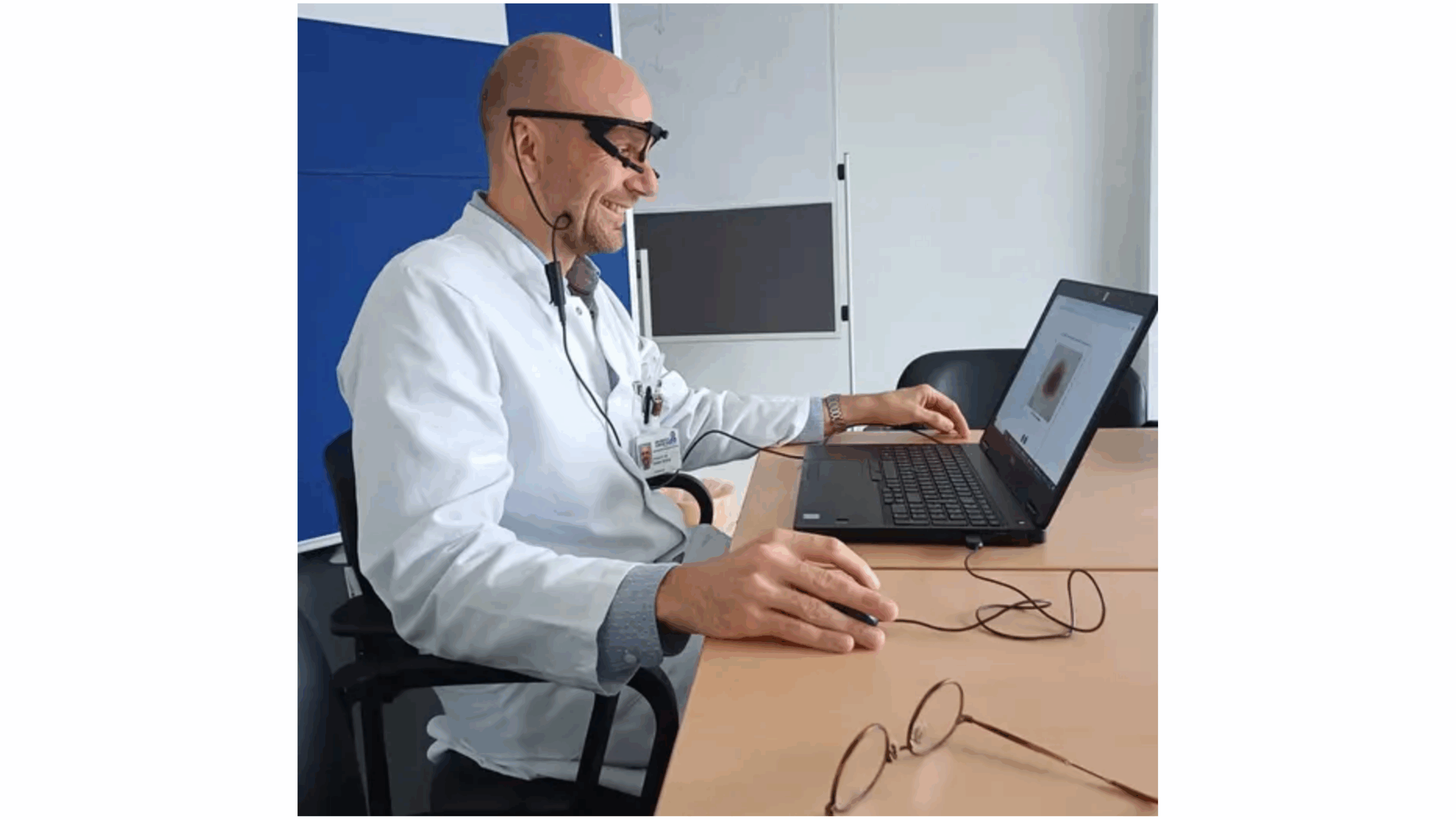
Explainable artificial intelligence increases the accuracy and endurance of dermatologists in melanoma diagnosis
Scientists at the German Cancer Research Center (DKFZ) have shown in an international eye-tracking study that dermatologists not only improve their diagnostic accuracy by using explainable artificial intelligence, but also show significantly less fatigue when assessing challenging cases. The researchers were able to demonstrate this by measuring a reduction in cognitive stress indicators. In a […]
read more
Excellence Strategy: HITS researchers successful with two clusters on astrophysics and life sciences
How do stellar explosions or the evolution of galaxies influence our universe today? How can synthetic biology and specially designed cells aid in the protection of our immune system against infections and cancer? Tackling these research questions from different disciplines is the endeavor of two projects that have been selected as Clusters of Excellence in the […]
read more
New Member: Welcome in our cluster to Steinbrenner Laborsysteme GmbH
Steinbrenner Laborsysteme is focused on delivering tailored services and high-quality products with fast, reliable delivery and personal, solution-oriented communication. Backed by a global supplier network and expert staff, it offers custom mechanical parts, injection molding, and molecular biology solutions. Whether for single prototypes or full-scale production, the team provides individualized support to meet specific customer […]
read more
How the Epstein-Barr virus promotes its spread in the body
Many people are infected with the Epstein-Barr virus (EBV), and most are unaware of it. However, EBV can sometimes cause cancer, and this pathogen also appears to play an important role in multiple sclerosis and other autoimmune diseases. Researchers at the German Cancer Research Center (DKFZ) and the Kidney Center at Heidelberg University Hospital have […]
read more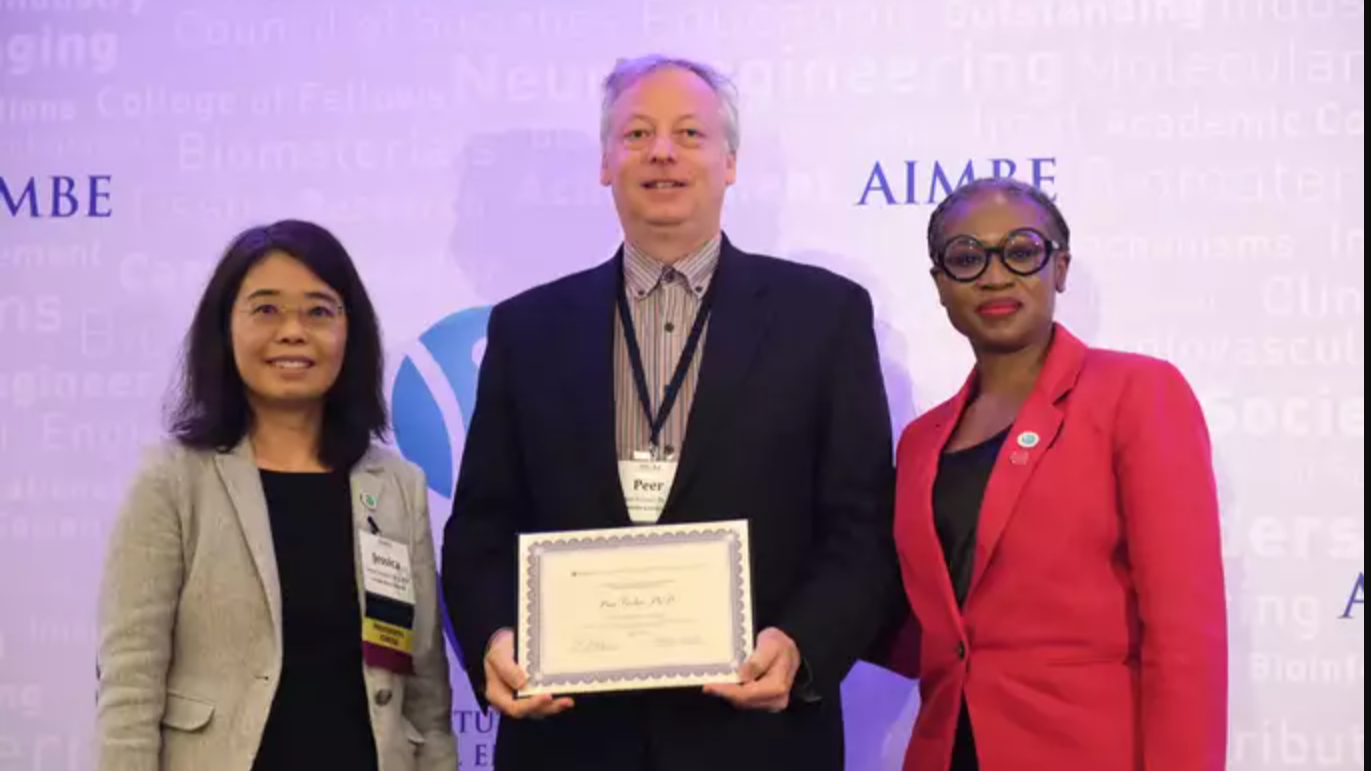
Peer Fischer elected Fellow of AIMBE
Peer Fischer, research group leader at the Max Planck Institute for Medical Research in Heidelberg and Professor at the Institute for Molecular Systems Engineering and Advanced Materials at Heidelberg University, has been elected a Fellow of the American Institute for Medical and Biological Engineering (AIMBE). “The appointment is a great honor,” says Peer Fischer. ”I […]
read more