


Network News
In recognition of his fundamental contributions to the understanding of gene regulation by RNA-binding proteins and the identification of RNA-binding proteins, Prof. Dr. Matthias Hentze is awarded the Otto Warburg Medal 2025 of the Society for Biochemistry and Molecular Biology. More Information in German below. Otto-Warburg-Medaille 2025 geht an Matthias Hentze In Anerkennung seiner fundamentalen […]
read more
Medizin im digitalen Zeitalter: Forum Gesundheitsstandort präsentiert Technologie-Projekte bei der DMEA 2025
(Stuttgart, 26.03.2025) Daten retten Leben. Denn mit neuen Technologien und mit der Unterstützung von Künstlicher Intelligenz lassen sich riesige Mengen medizinischer Daten verlässlicher als je zuvor auswerten. So können Krankheiten frühzeitiger erkannt und behandelt werden. Dazu aber gilt es, die Daten optimal miteinander zu vernetzen, damit Ärztinnen, Ärzte, Kliniken und Pflegende ihre Patientinnen und Patienten bestmöglich […]
read more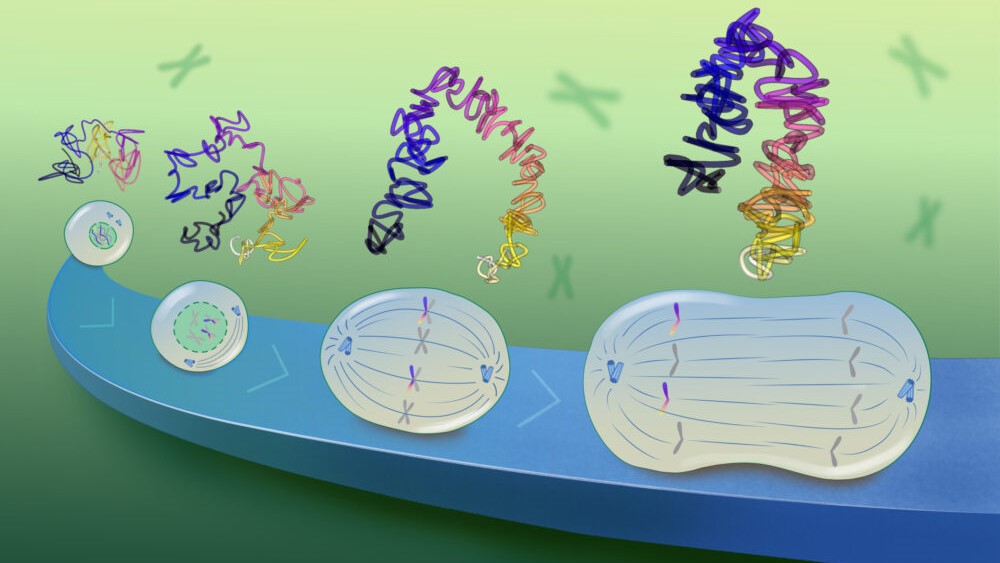
How chromosomes shape up for cell division
EMBL scientists have shown how overlapping loops of DNA stack upon each other in dividing cells to give rise to rod-shaped chromosomes Summary Among the many marvels of life is the cell’s ability to divide and thus enable organisms to grow and renew themselves. For this, the cell must duplicate its DNA – its genome […]
read more
Resistance mechanism in chronic lymphocytic leukemia identified
Researchers at the German Cancer Research Center (DKFZ) have succeeded in identifying a resistance mechanism that often occurs in a specific targeted therapy against chronic lymphocytic leukemia (CLL). The drug ibrutinib is effective in many cases, but therapy resistance often develops during the course of treatment. In cell culture experiments and in mice, the resistance […]
read more
New Member: Welcome in our cluster to WuXi AppTec
WuXi AppTec is a pharmaceutical, biotechnology, and medical device R&D service provider with operations in China and the U.S. Its China-based services cover the entire discovery and development process, from hit-to-lead and preclinical development to clinical drug production and commercialization. In the U.S., the company offers integrated laboratory and manufacturing services for biologics and medical […]
read more
New approach for T-cell immunotherapy against malignant brain tumors
Researchers at the German Cancer Research Center (DKFZ) and the University Medical Center Mannheim (UMM) have developed a promising cellular immunotherapy for the treatment of glioblastomas: They equipped T cells with a receptor that recognizes a protein of the brain tumors that is responsible for the dangerous stem cell properties. The therapeutic T cells directed […]
read more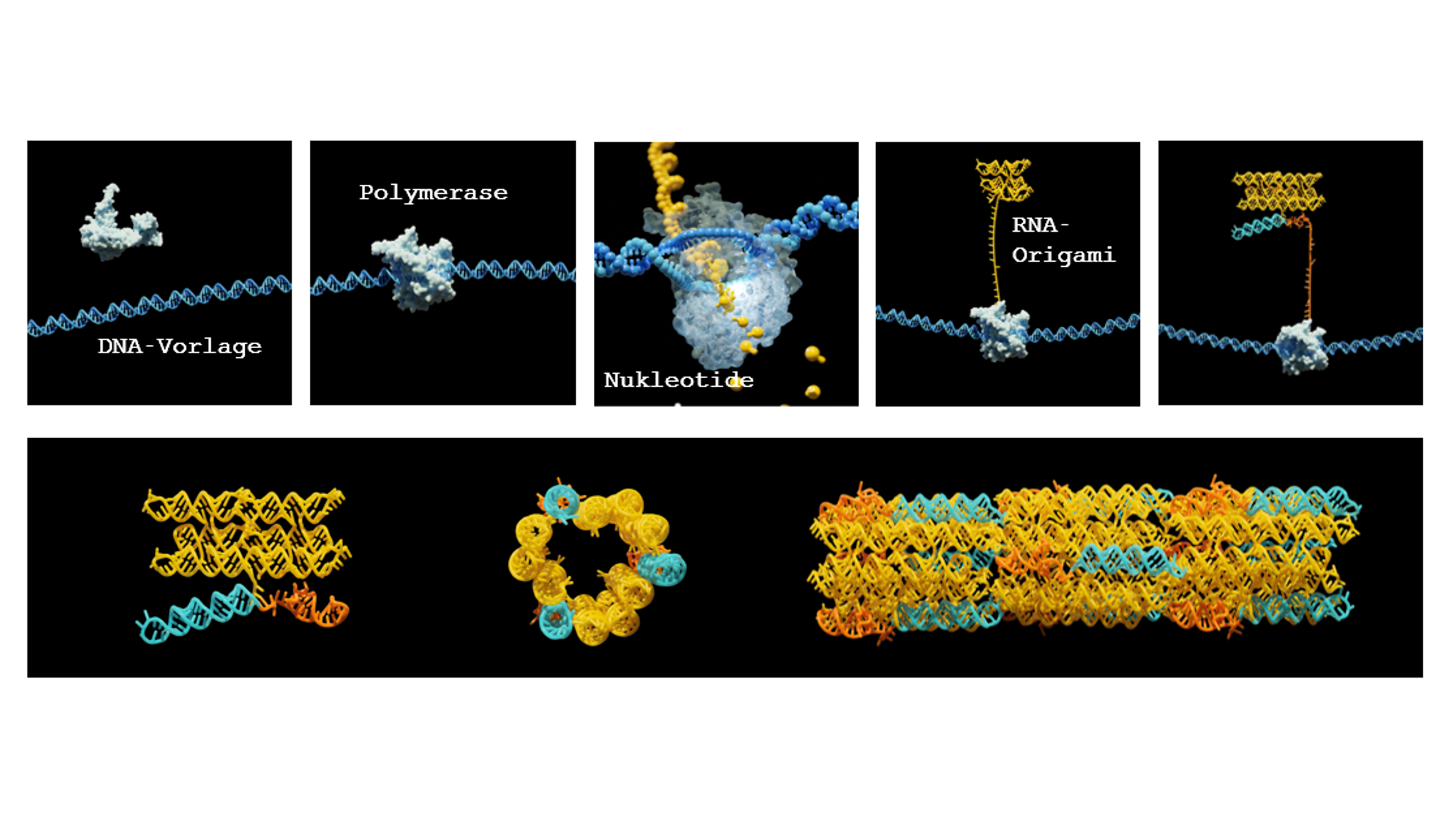
RNA Origami: Artificial Cytoskeletons to Build Synthetic Cells
Synthetic biologists from Heidelberg University create nanotubes folded from the natural RNA biomolecule With the long-term goal of creating living cells from non-living components, scientists in the field of synthetic biology work with RNA origami. This tool uses the multifunctionality of the natural RNA biomolecule to fold new building blocks, making protein synthesis superfluous. In […]
read more
Hummingbird Diagnostics Announces Publication Evaluating miR-Blood’s Small RNA Expression Dataset Capabilities in Nature’s Scientific Data
miR-Blood is capable of revealing highly cell-type specific patterns of small RNA expression HEIDELBERG, Germany, March 06, 2024 – Hummingbird Diagnostics GmbH, a leader in using blood-based small RNAs for early disease detection and characterization, today announced a publication in Scientific Data, a peer-reviewed, open-access journal launched by Nature. The study evaluated miR-Blood, Hummingbird Diagnostics’ […]
read more
Maternal overweight as risk factor for childhood leukemia in daughters
The weight of expectant mothers could play a role in the development of acute lymphoblastic leukemia (ALL) in daughters – but not in sons. This has been shown by researchers at the German Cancer Research Center (DKFZ). Acute lymphoblastic leukemia is rare overall, but accounts for about a quarter of childhood cancers. To identify possible […]
read more