

Network News
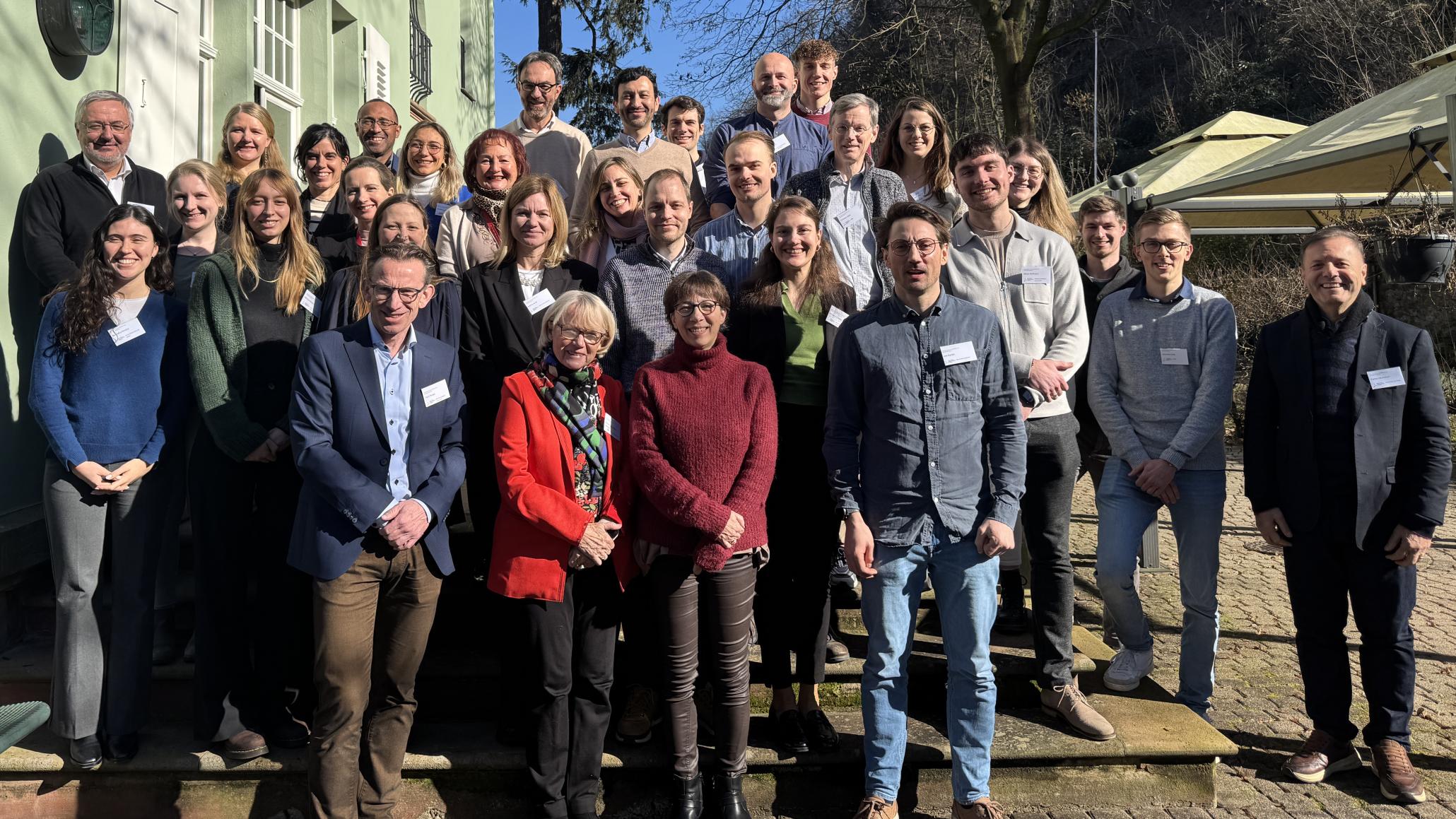
International project consortium is coordinated at Heidelberg University Targeted molecular interventions in the replication cycle and the immune recognition of viruses are intended to prevent viral entry into cells and virus replication. That is the goal of an international research project in which scientists work on new approaches to combating highly dangerous viral diseases such […]
read more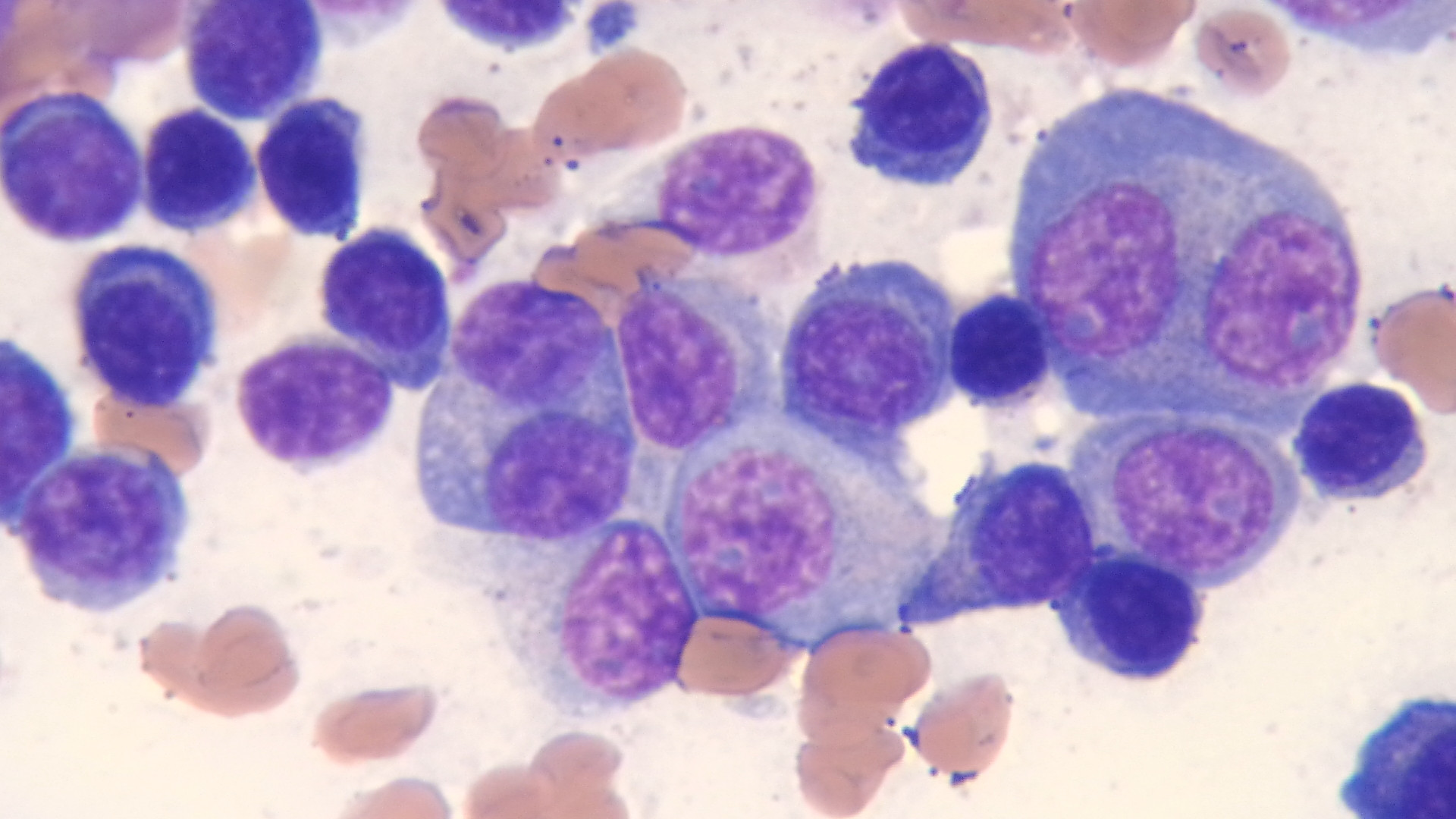
Bone marrow cancer multiple myeloma: immunotherapy before stem cell transplantation delays recurrence of the disease
The results from a phase 3 trial involving 662 patients from 67 clinics led by Heidelberg University Hospital and the Heidelberg Medical Faculty at Heidelberg University indicate that a new immunotherapeutic approach keeps the disease under control for longer. The data has just been published in the Journal of Clinical Oncology. The study has been […]
read more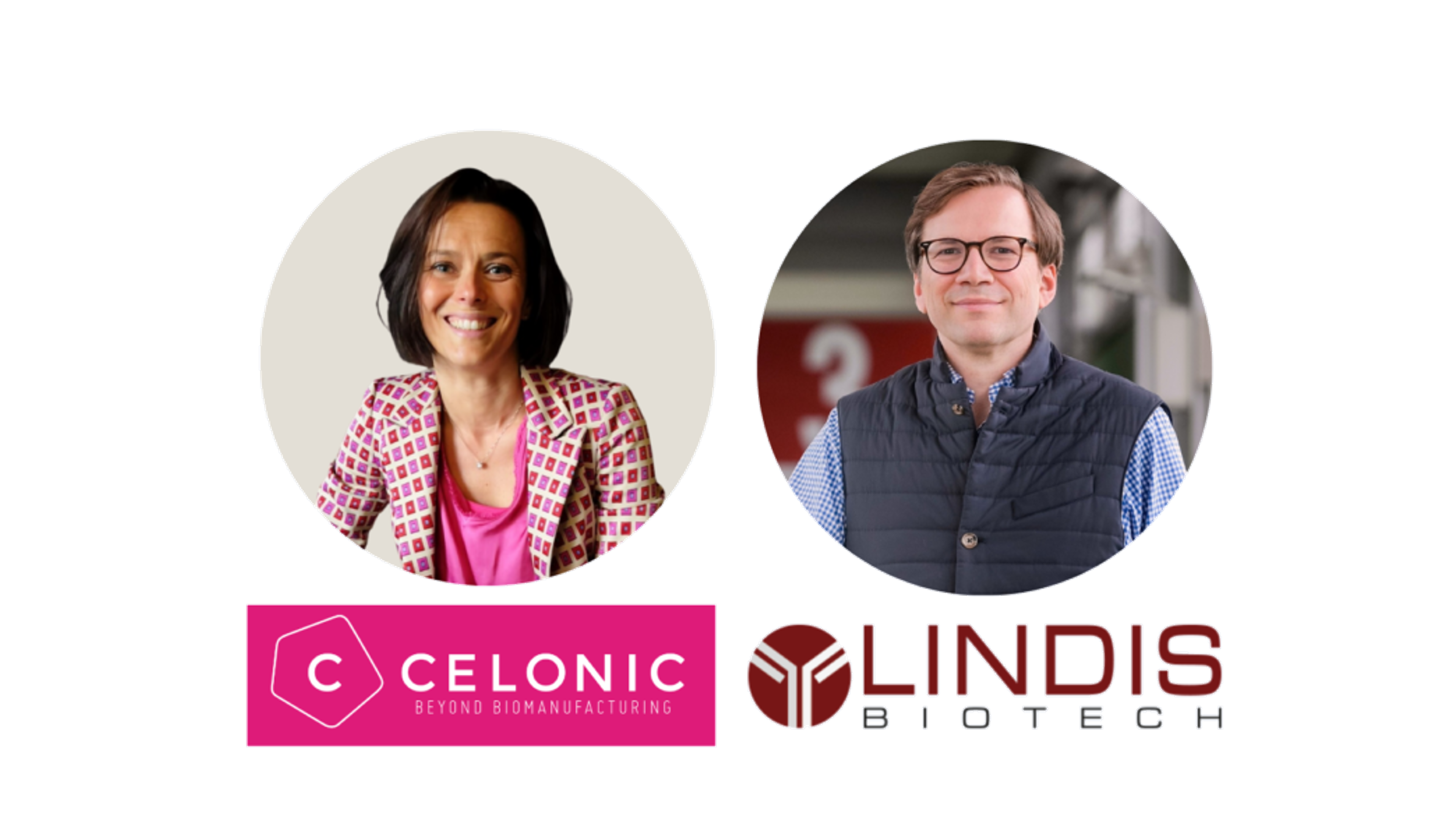
Celonic Group Signs Long-Term Multi-Year Manufacturing Service Agreement with LINDIS Biotech for the Commercial Supply of Catumaxomab
February 19, 2025 Basel, Switzerland, 19 February 2025 – Celonic Group, a “Pure Play” biologics contract development and manufacturing organization (CDMO), announced today the signing of a multi-year commercial manufacturing agreement with LINDIS Biotech for the production of catumaxomab for Commercial Supply. Catumaxomab is a first-in-class, trifunctional bispecific monoclonal antibody designed for the intraperitoneal treatment of […]
read more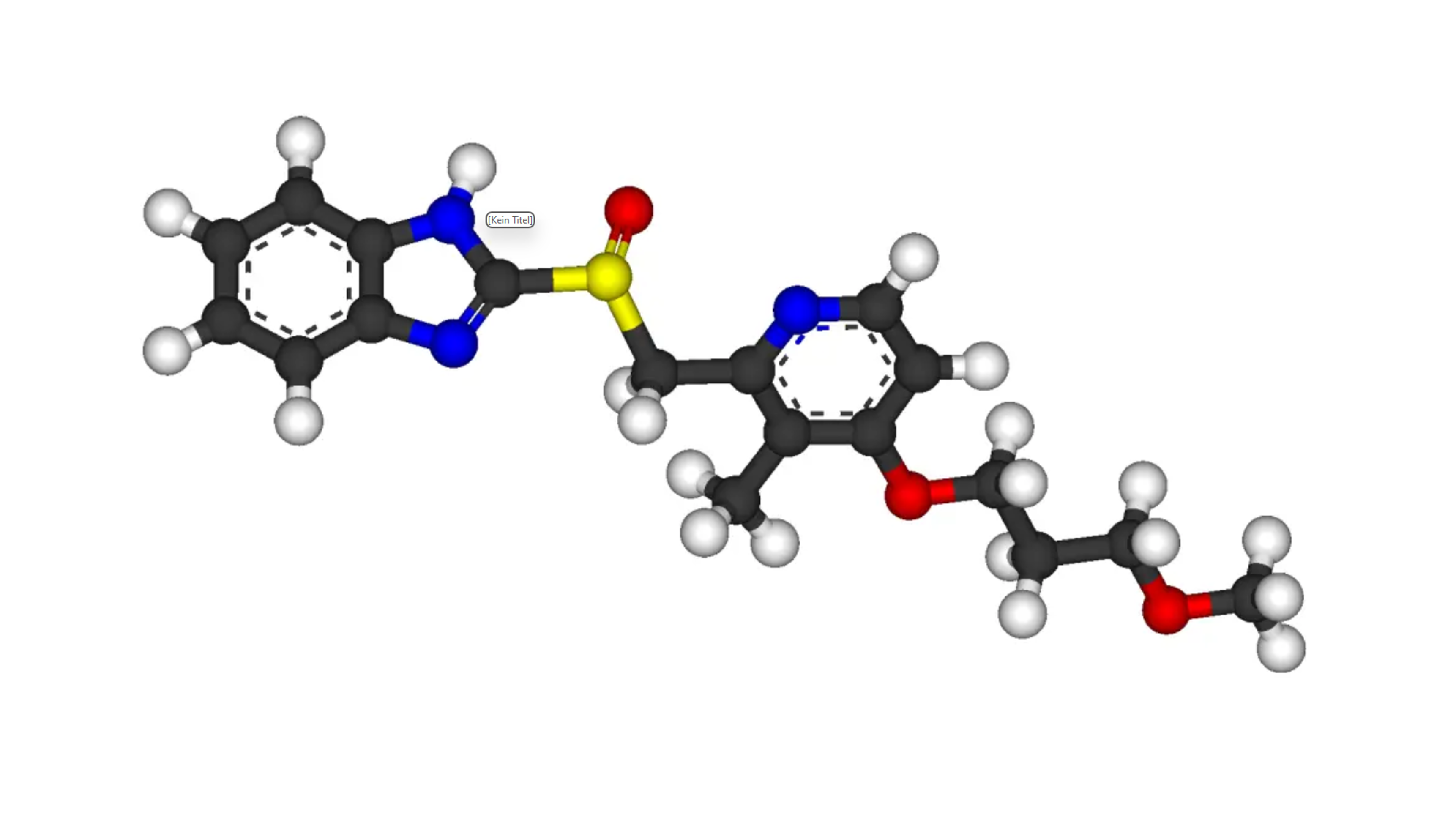
Surprising finding for acid reducing drugs
Acid reducing medicines from the group of proton pump inhibitors (PPIs) are best-selling drugs that prevent and alleviate stomach problems. PPIs are activated in the acid-producing cells of the stomach, where they block acid production. Researchers at the German Cancer Research Center (DKFZ) made the surprising discovery that zinc-carrying proteins, which are found in all […]
read more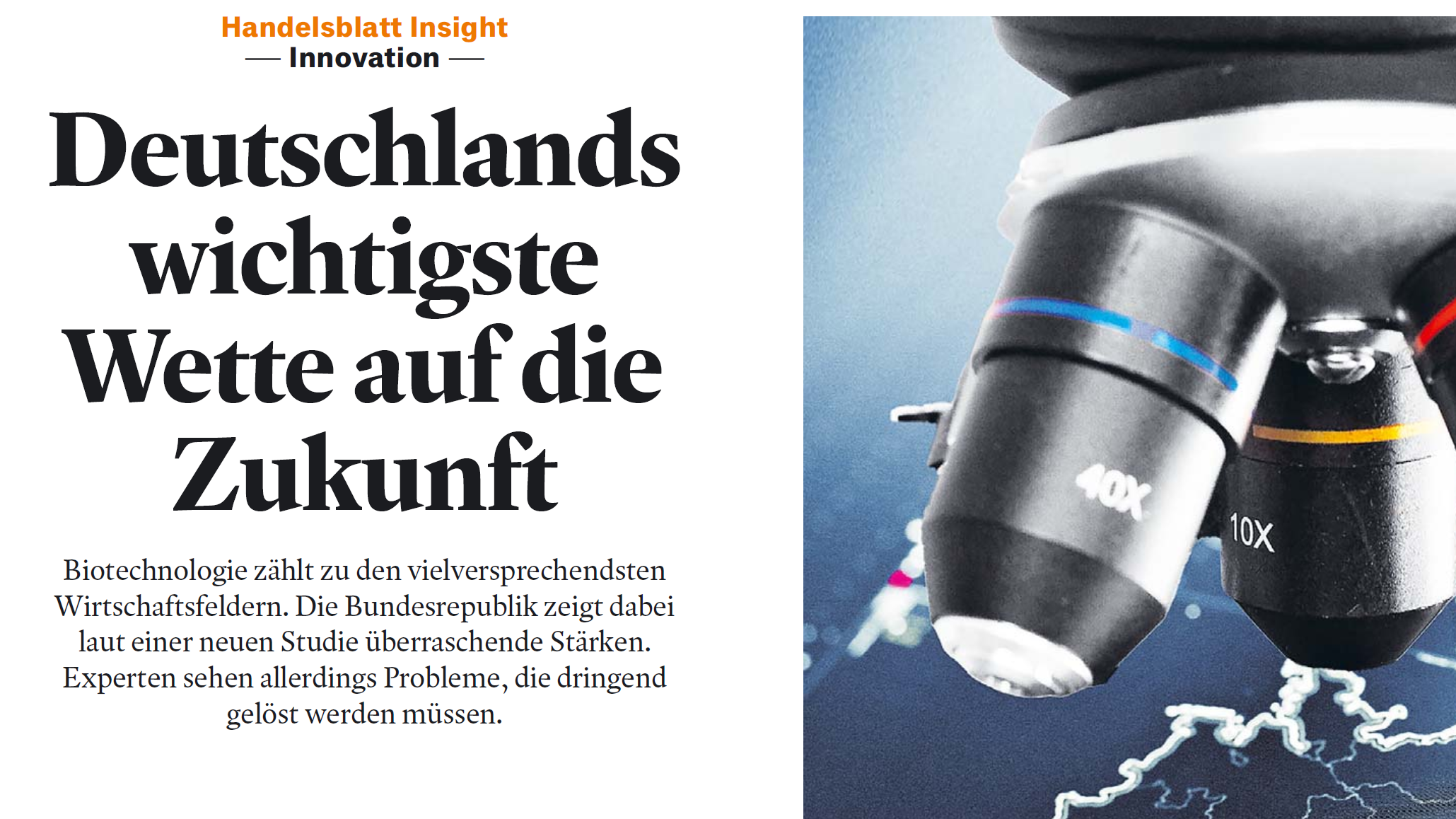
Deutschlands wichtigste Wette auf die Zukunft (Handelsblatt, erschienen am 07.02.2025)
Handelsblatt | 07.02.2025 —Innovation — Deutschlands wichtigste Wette auf die Zukunft Handelsblatt Insight Biotechnologie zählt zu den vielversprechendsten Wirtschaftsfeldern. Die Bundesrepublik zeigt dabei laut einer neuen Studie überraschende Stärken. Experten sehen allerdings Probleme, die dringend gelöst werden müssen. Der deutsche Mikrobiologe Robert Koch findet 1882 den Erreger für die Krankheit Tuberkulose. 1895: Wilhelm Conrad Röntgen entdeckt in […]
read more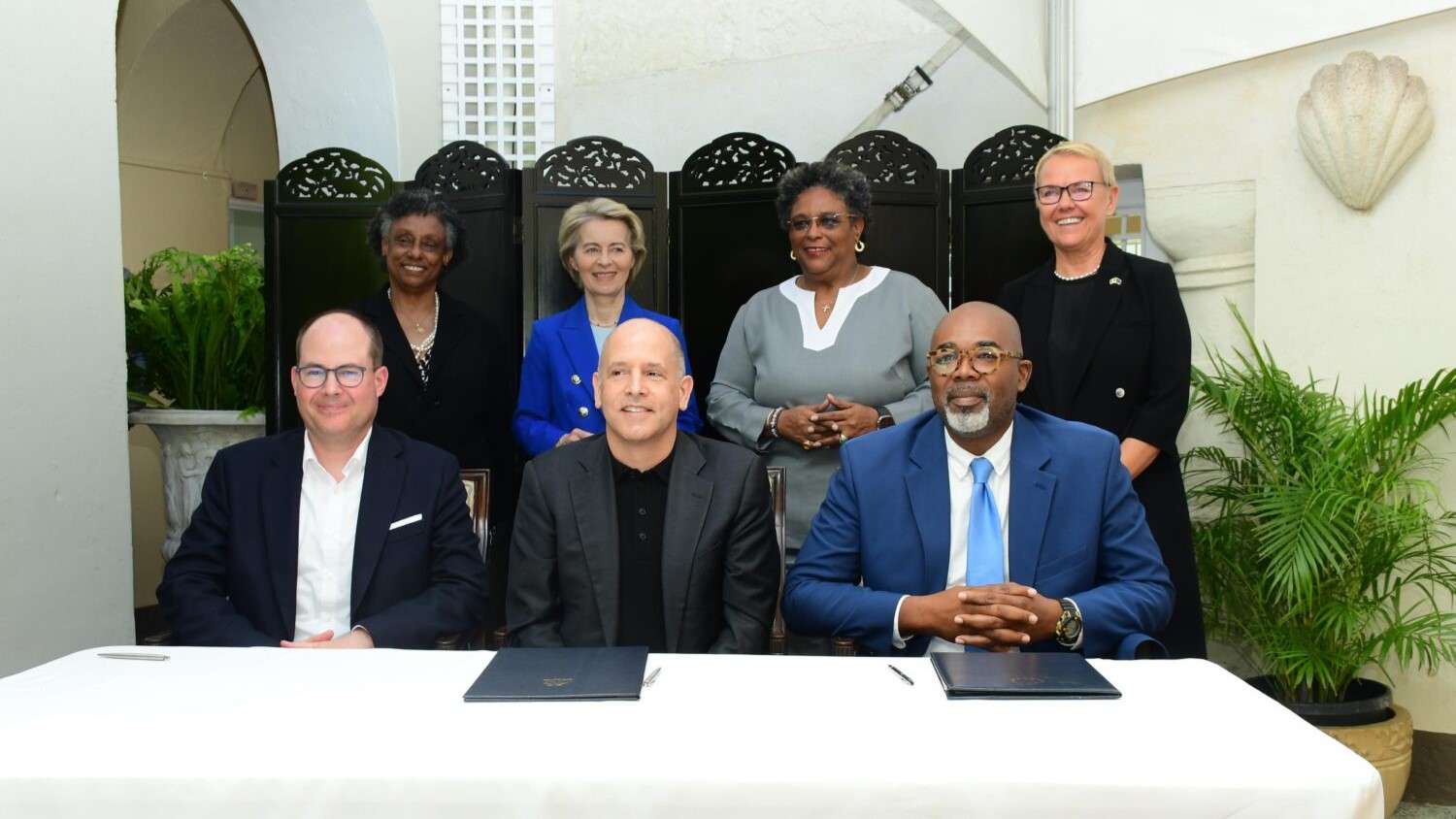
BioMed X Launches New Institute in Barbados
BioMed X Institute, in collaboration with the Government of Barbados and the European Commission, is launching BioMed X Barbados, a new research initiative focused on better treatment of cardiometabolic diseases in individuals of African descent. Heidelberg, Germany / Bridgetown, Barbados – February 20, 2025. BioMed X Institute is proud to announce a partnership with the […]
read more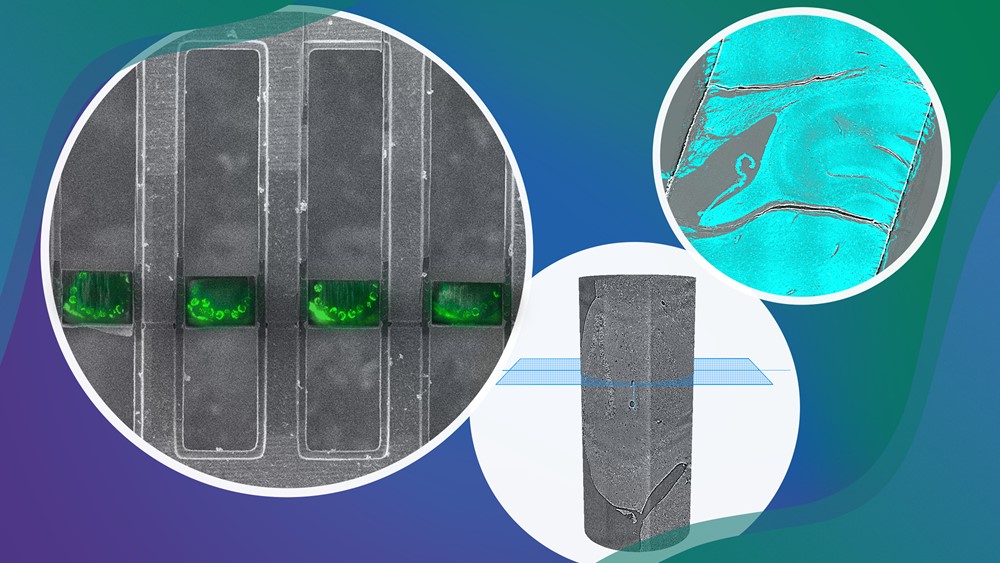
Taking biological imaging to the next level
Extraordinary funding from the Chan Zuckerberg Initiative supports two large collaborative projects that will boost imaging technology development By Stephanie Alexander, EMBL Imaging Centre Research & Service Coordinator Developing advanced imaging technologies is critical to advancing life sciences research. It is especially important to explore the detailed structure and function of tissues, cells, and macromolecules […]
read more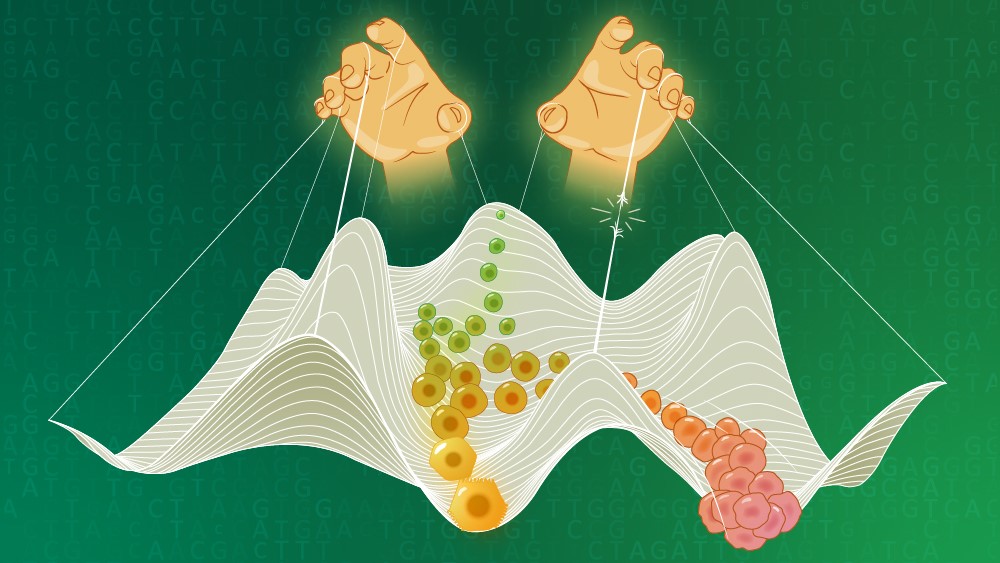
A special puppeteer holds the strings to liver cells’ identity
Scientists at EMBL and DKFZ have discovered how cells in the liver maintain their identity and avoid becoming tumour cells Summary A collaboration between EMBL Heidelberg and the German Cancer Research Centre (DKFZ) led to the identification of a special protein in liver cells, which helps maintain the cells’ identity throughout their lifetime and prevents […]
read more
Funding for globally accessible rapid identification of tumor cells
A combination of new laboratory technology and artificial intelligence is set to make the rapid and precise differentiation of subgroups of brain tumours widely available. An international research group led by Professor Dr. Dr. Felix Sahm from the Department of Neuropathology at Heidelberg University Hospital and the Heidelberg Faculty of Medicine at Heidelberg University is […]
read more