

Research
A key molecular mechanism drives the growth of liver cell cancer while simultaneously suppressing the body’s immune response to the tumor. This has now been published in the journal Nature by a team led by researchers from the German Cancer Research Center (DKFZ), the University Hospital of Tübingen, and the Sanford Burnham Prebys Medical Discovery […]
read more
AI learns from animals: New approach to improve surgical imaging
Scientists at the German Cancer Research Center (DKFZ), Heidelberg University Hospital (UKHD), and Mannheim University Medical Center (UMM) are presenting a method that enables artificial intelligence (AI) to learn how to transfer medical image data from animals to humans. This “xeno-learning” could help make surgical procedures safer and more precise in the future – without […]
read more
Heidelberg Pharma Received Development Milestone Payment from Partner Takeda
Ladenburg, Germany, 29 January 2026 – Heidelberg Pharma AG (FSE: HPHA), a clinical stage biotech company developing innovative Antibody Drug Conjugates (ADCs), today announced that it has received a milestone payment under the terms of its license agreement with partner Takeda based on the achievement of a clinical development milestone for Takeda’s investigational medicine that utilizes […]
read more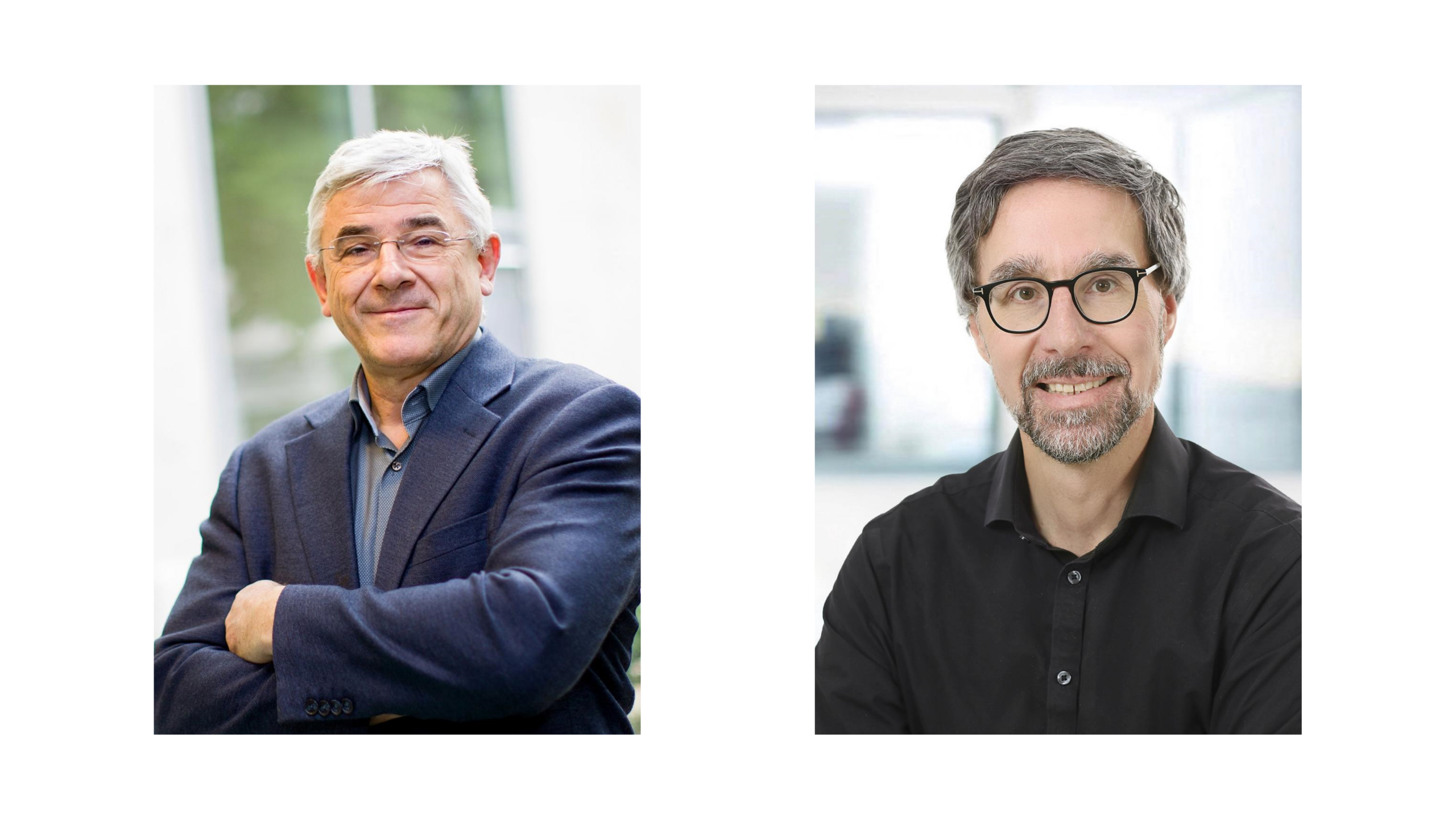
ERC Funding for Hellmut Augustin and Michael Platten
Scientists receive Proof of Concept Grants to develop the application potential of their research results In order to develop the application potential of their research results, Prof. Dr Hellmut Augustin and Prof. Dr Michael Platten are receiving funding from the European Research Council (ERC) that the ERC makes available as Proof of Concept Grants. Hellmut Augustin […]
read more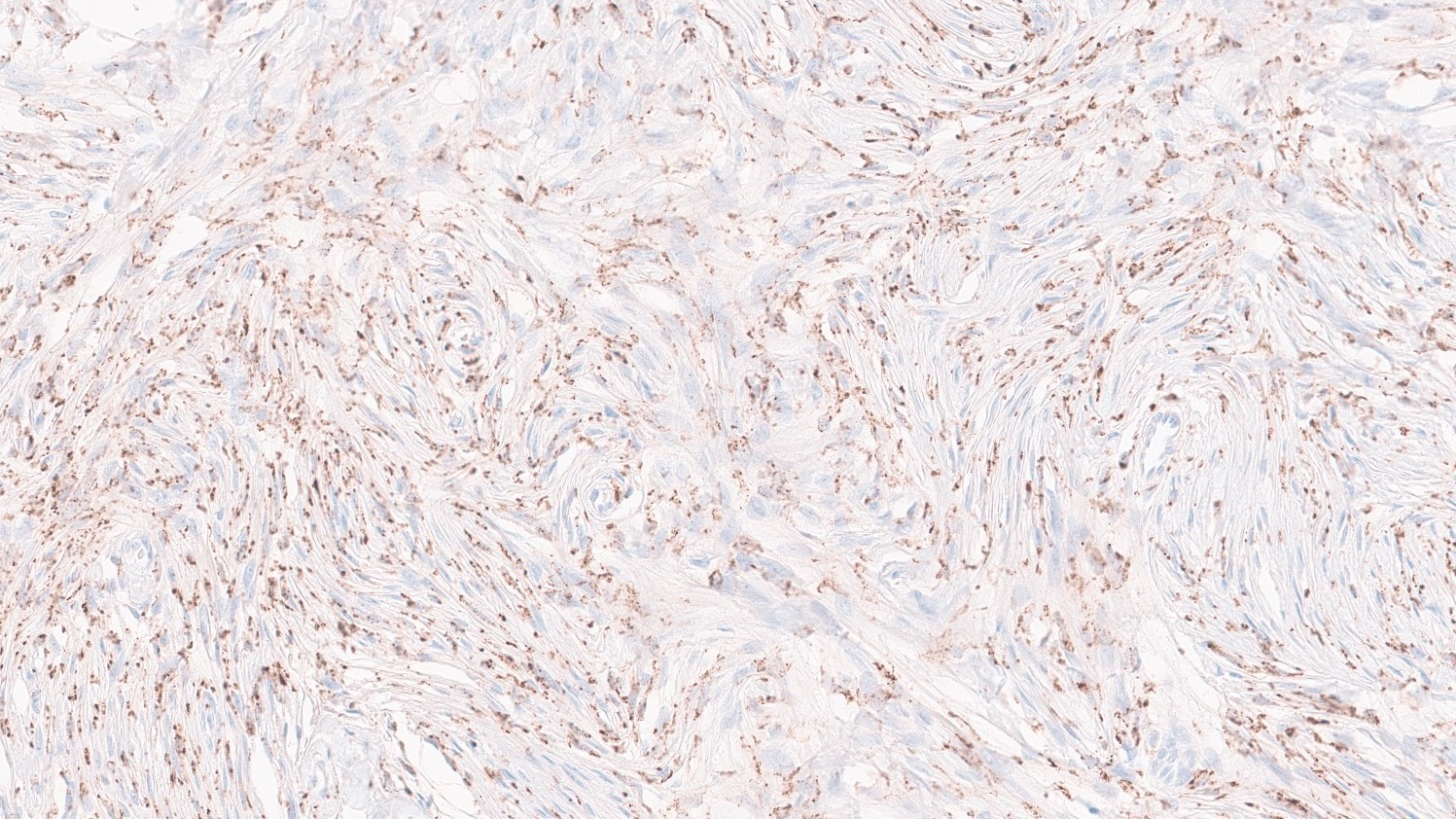
Risk of recurrence in meningiomas: Not only tumor cells, but also their “neighbors” are taken into account in molecular classification.
Scientists at Heidelberg University’s Medical Faculty, the German Cancer Research Center, and the National Center for Tumor Diseases (NCT) in Heidelberg have shown that the molecular classification of brain tumors using artificial intelligence can be significantly influenced by the microenvironment in the tumor—in particular, the immune cells that have migrated there. Classic tissue assessment by […]
read more
Microbiomes interconnect on a planetary-scale, new study finds
In the largest study of its kind, EMBL scientists reveal that certain microbes can thrive across different ecosystems, contributing to the global spread of antimicrobial resistance Summary In a new study published in Cell, scientists in the Bork Group at EMBL Heidelberg reveal that microbes living in similar habitats are more alike than those simply inhabiting the same geographical […]
read more
RHEACELL makes second location in Heidelberg visible
Heidelberg, January 28, 2026 – RHEACELL GmbH & Co. KG is continuing to expand its presence in Heidelberg and moved into a second location in the Pfaffengrund district in August last year. At the start of the year, the location is now also becoming visible to the outside world: this week, the company logo will […]
read more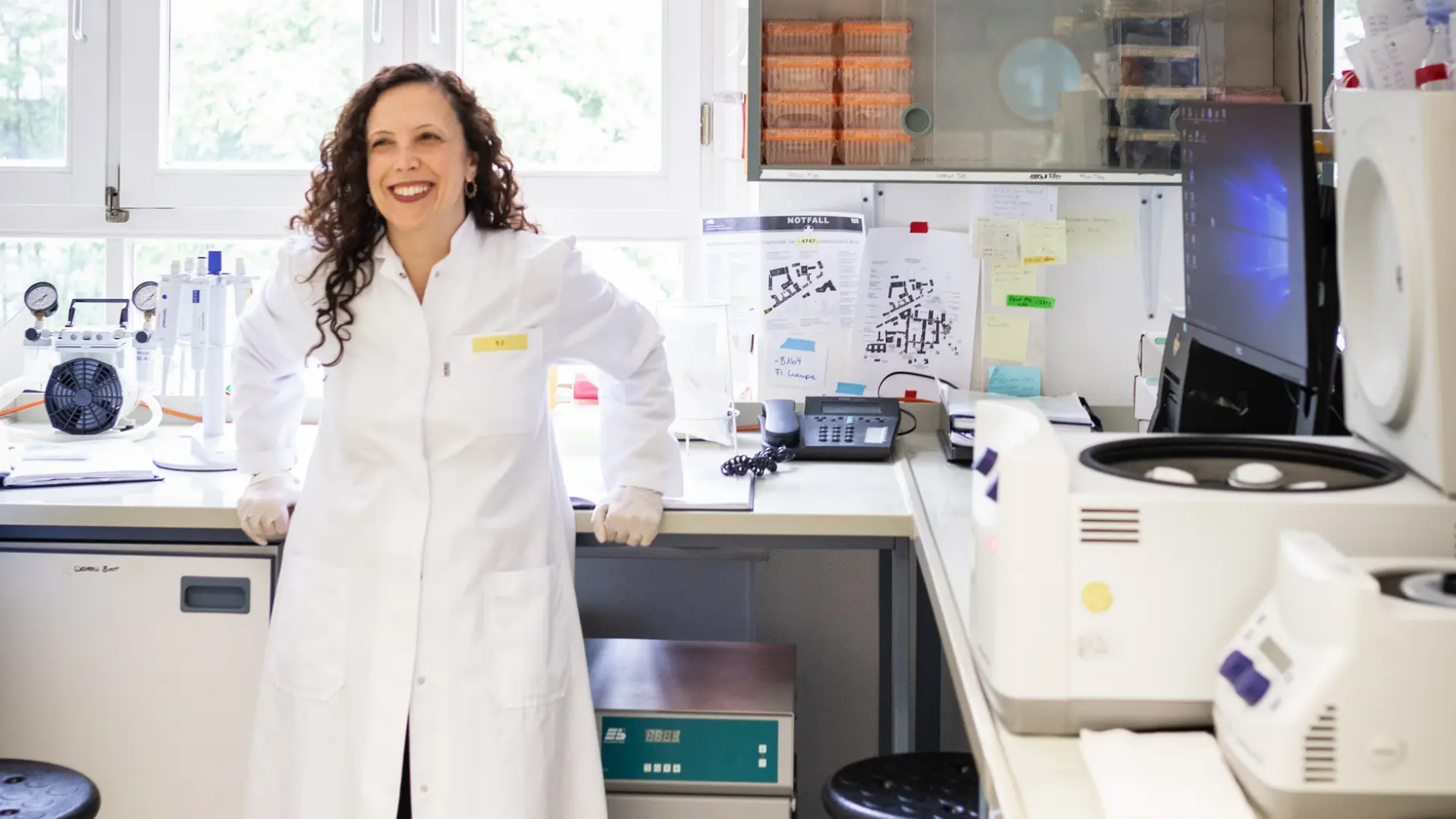
TUM Researchers receive two ERC Grants
The European Research Council’s (ERC) Proof of Concept Grants are designed to help researchers turn their findings into real‑world innovations. Two ERC‑funded follow‑up projects at TUM will each receive approximately 150,000 euros in support. The projects focus on virus‑driven cancer treatments and new ways to supply electrons for enzyme‑based technologies. Researchers at TUM have secured […]
read more
Weight Loss in Cancer: Organs Respond to the Disease in a Coordinated Way
Cachexia is a metabolic disorder that causes uncontrolled weight loss and muscle wasting in chronic diseases and cancer. A new study by Helmholtz Munich, in collaboration with the Institute of Physiology of the Czech Academy of Sciences in Prague, Heidelberg University Hospital, the German Center for Diabetes Research (DZD), and the German Center for Cardiovascular […]
read more