

Research
The growth and function of nerve cells is based on a lattice-like structure called membrane-associated periodic skeleton (MPS). However, how the organization of the MPS is controlled has not been elucidated until now. A team from the Max Planck Institutes for Medical Research and for Multidisciplinary Sciences has now discovered that it is regulated by […]
read more
Mirco Friedrich: Forbes-List “30 Under 30 Europe”
Mirco Julian Friedrich from the DKFZ, HI-STEM* and Heidelberg University Hospital (UKHD) was included in the renowned Forbes ‘30 Under 30 Europe’ list in the Science & Healthcare category. The physician and cancer researcher, who has headed the Haematology and Immune Engineering junior research group since this year, initially developed successful approaches to reactivate the […]
read more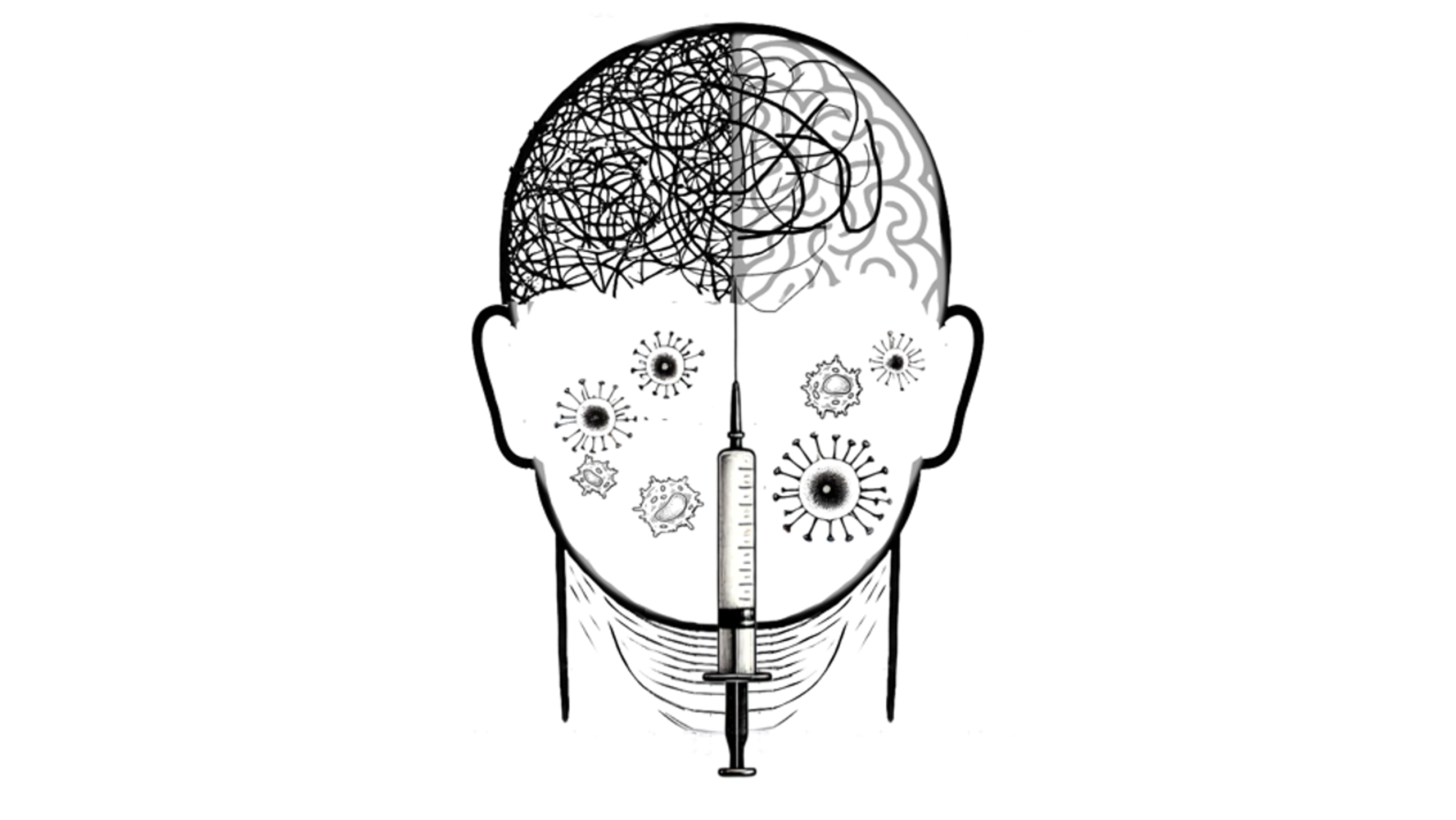
Epidemiological study shows: Vaccination against shingles could reduce the risk of developing dementia – especially in women!
Scientists from the Faculty of Medicine at Heidelberg University, the University of Mainz, the SAFE Leibniz Institute Frankfurt, the Vienna University of Economics and Business, and Stanford University, USA, have examined Welsh health data on older people. They found that over a seven-year follow-up period, people who received the shingles vaccine were 20% less likely […]
read more
Interdisciplinary research to provide urgently needed insecticides to combat malaria
The Medical Faculty Heidelberg of Heidelberg University and Mannheim University of Applied Sciences are combining their expertise in infectious disease research, mass spectrometry, and bioinformatics to overcome resistance in malaria vectors. The project is supported by funding from the Gates Foundation. Mosquito nets treated with insecticides are the most effective measure for preventing malaria. However, […]
read more
Physical training has a positive effect on the sexual health of women with metastatic breast cancer
Metastatic breast cancer requires complex and lengthy treatment, the side effects of which affect the quality of life of patients. These often include sexual problems. In a large international randomized exercise intervention trial, researchers at the German Cancer Research Center (DKFZ) and the NCT Heidelberg have now shown that women who received a nine-month supervised […]
read more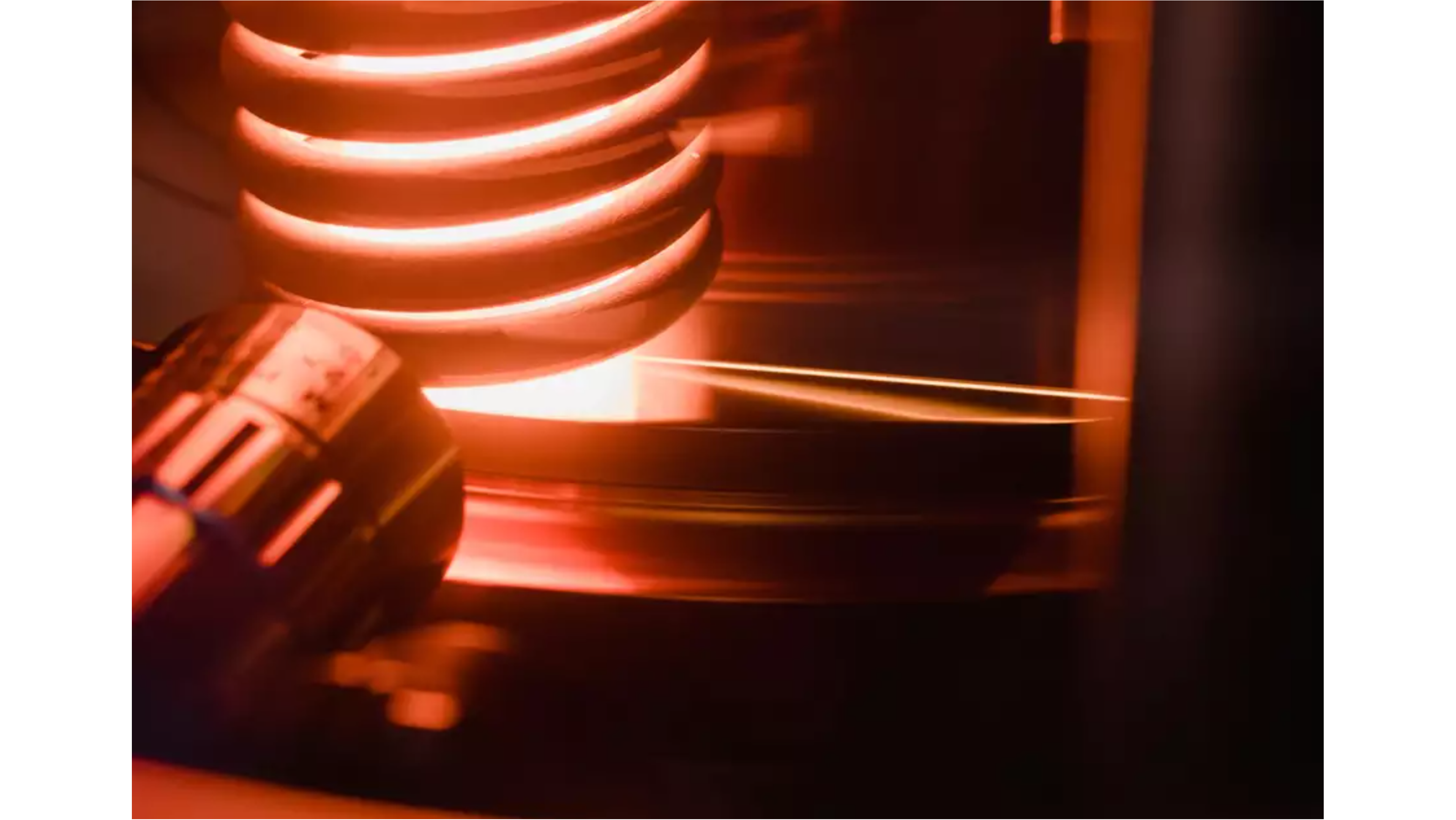
Batene: Energy boost for batteries
An electric car costs more than a comparable combustion engine because the battery is so expensive. And hardly any model gets as far on one charge as an average car on one tank of gas. Batene GmbH, a spin-off from the Max Planck Institute for Medical Research, wants to change this. The start-up is developing […]
read more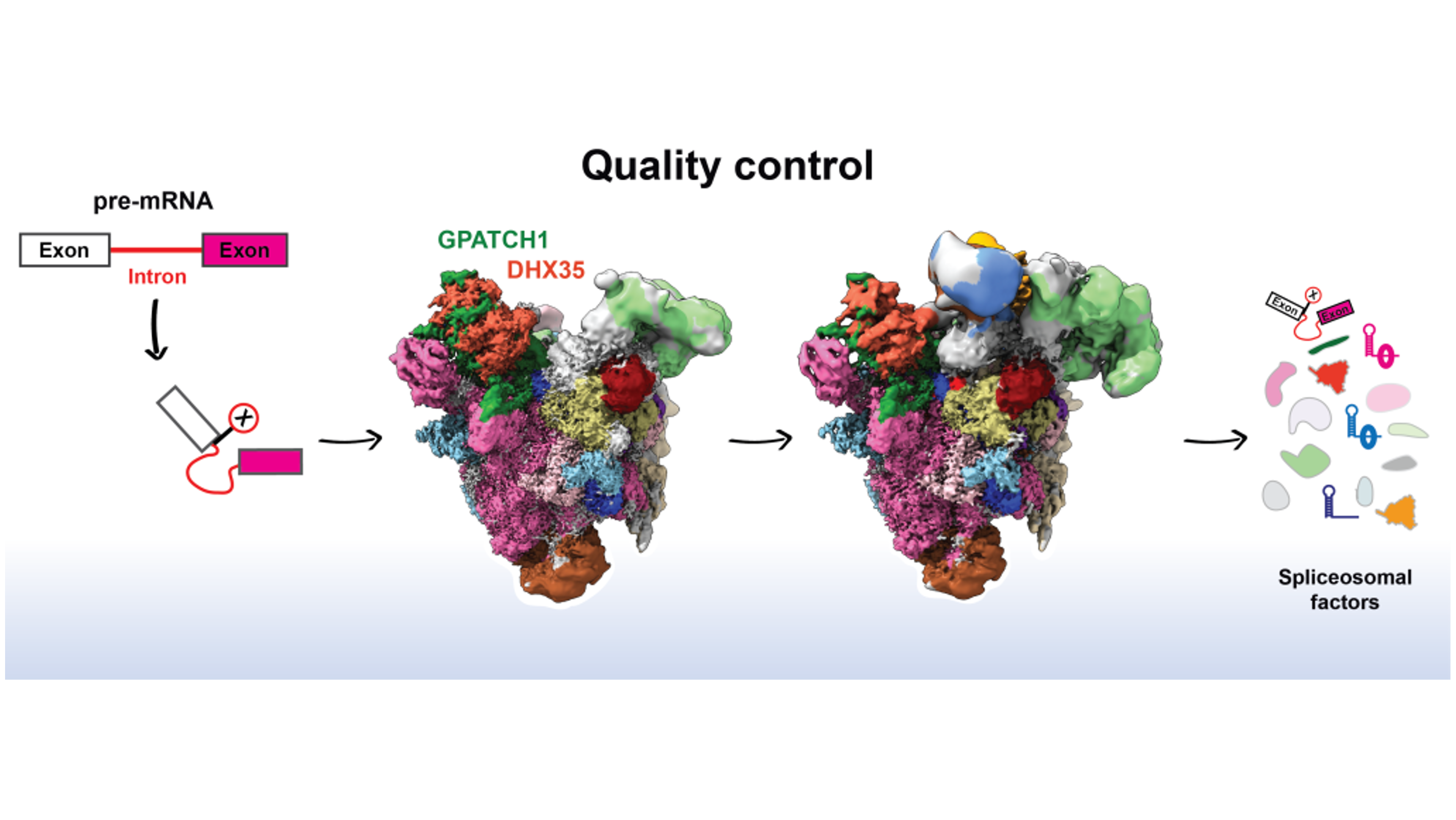
Quality Assurance in the Cell: Preventing Defective Protein Blueprints
Heidelberg biochemists and structural biologists from Shanghai decode the work of two control factors in mRNA splicing Two molecular control factors play a decisive role in what is known as splicing, the cutting and assembly of mature messenger RNA – a prerequisite for protein synthesis in the cell. The poorly characterized factors are crucial to […]
read more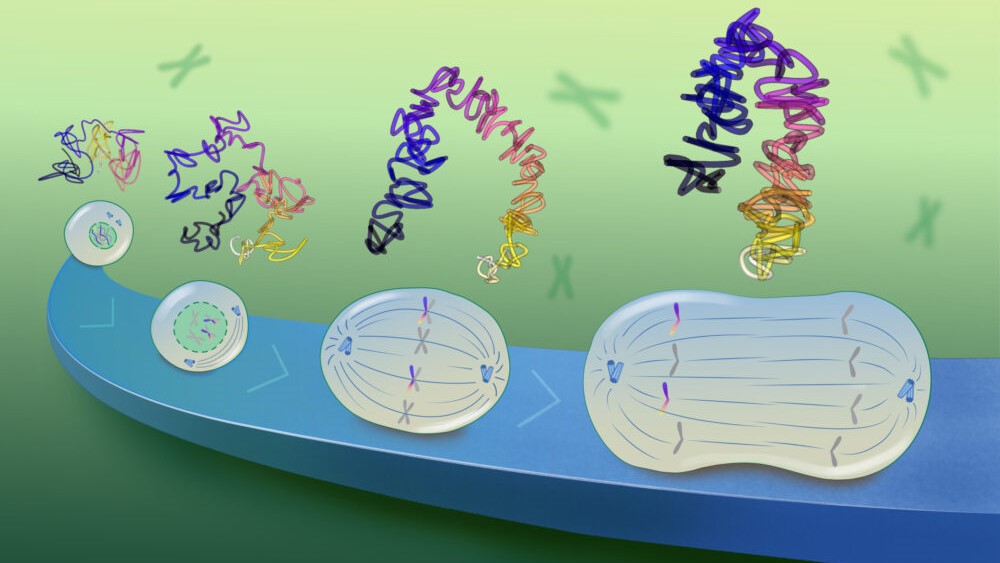
How chromosomes shape up for cell division
EMBL scientists have shown how overlapping loops of DNA stack upon each other in dividing cells to give rise to rod-shaped chromosomes Summary Among the many marvels of life is the cell’s ability to divide and thus enable organisms to grow and renew themselves. For this, the cell must duplicate its DNA – its genome […]
read more
Resistance mechanism in chronic lymphocytic leukemia identified
Researchers at the German Cancer Research Center (DKFZ) have succeeded in identifying a resistance mechanism that often occurs in a specific targeted therapy against chronic lymphocytic leukemia (CLL). The drug ibrutinib is effective in many cases, but therapy resistance often develops during the course of treatment. In cell culture experiments and in mice, the resistance […]
read more