

Research
It has only recently become known that two parallel systems of blood formation exist in the body, originating from different precursor cells. Researchers at the German Cancer Research Center (DKFZ) have developed a method to examine both systems separately in mice for the first time. Their surprising finding: the majority of immune cells do not […]
read more
With a Humboldt Professorship to Universität Heidelberg
International research prize goes to immunologist Jan Rehwinkel as nominated by Ruperto Carola In order to boost the research field of immunology as a key biomedical discipline at Heidelberg University, Prof. Dr Jan Rehwinkel is receiving a Humboldt Professorship worth five million euros. Leading international academics are granted such a professorship to encourage them to […]
read more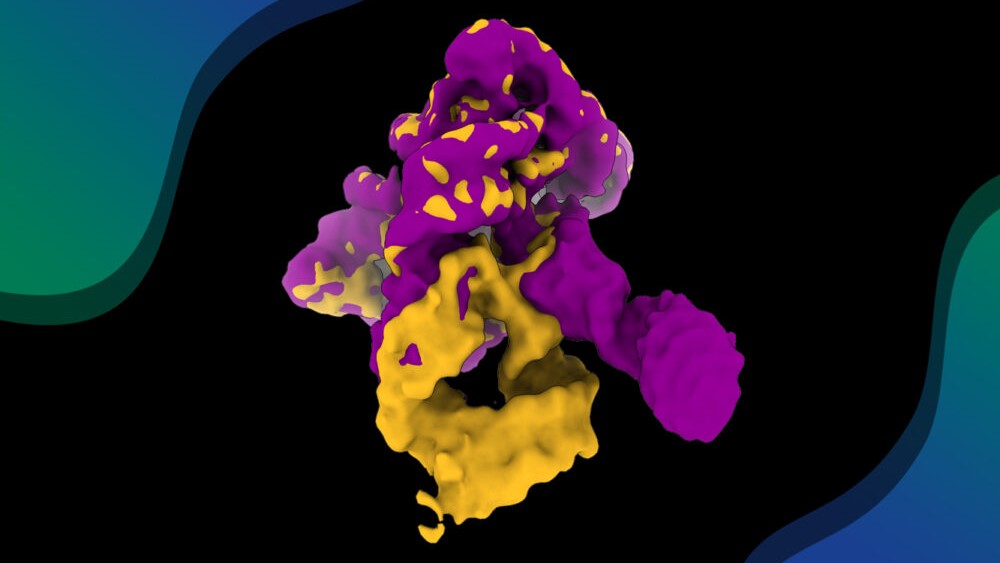
RNA in action: filming a ribozyme’s self-assembly
Researchers have visualized, in unprecedented detail, how a large RNA molecule assembles itself into a functional machine RNA is a central biological molecule, now widely harnessed in medicine and nanotechnology. Like proteins, RNA often gets its function from its three-dimensional structure. A recent study in Nature Communications has captured, for the first time, a ribozyme in motion […]
read more
One device – two organs: Simultaneous perfusion opens up new possibilities for future multi-organ transplants
A key factor in the success of an organ transplant is the condition of the donated organ at the time of implantation. Preserving the organ prior to transplantation using machine perfusion plays a crucial role in this process. This procedure has now been implemented particularly efficiently at Heidelberg University Hospital (UKHD): as part of a […]
read more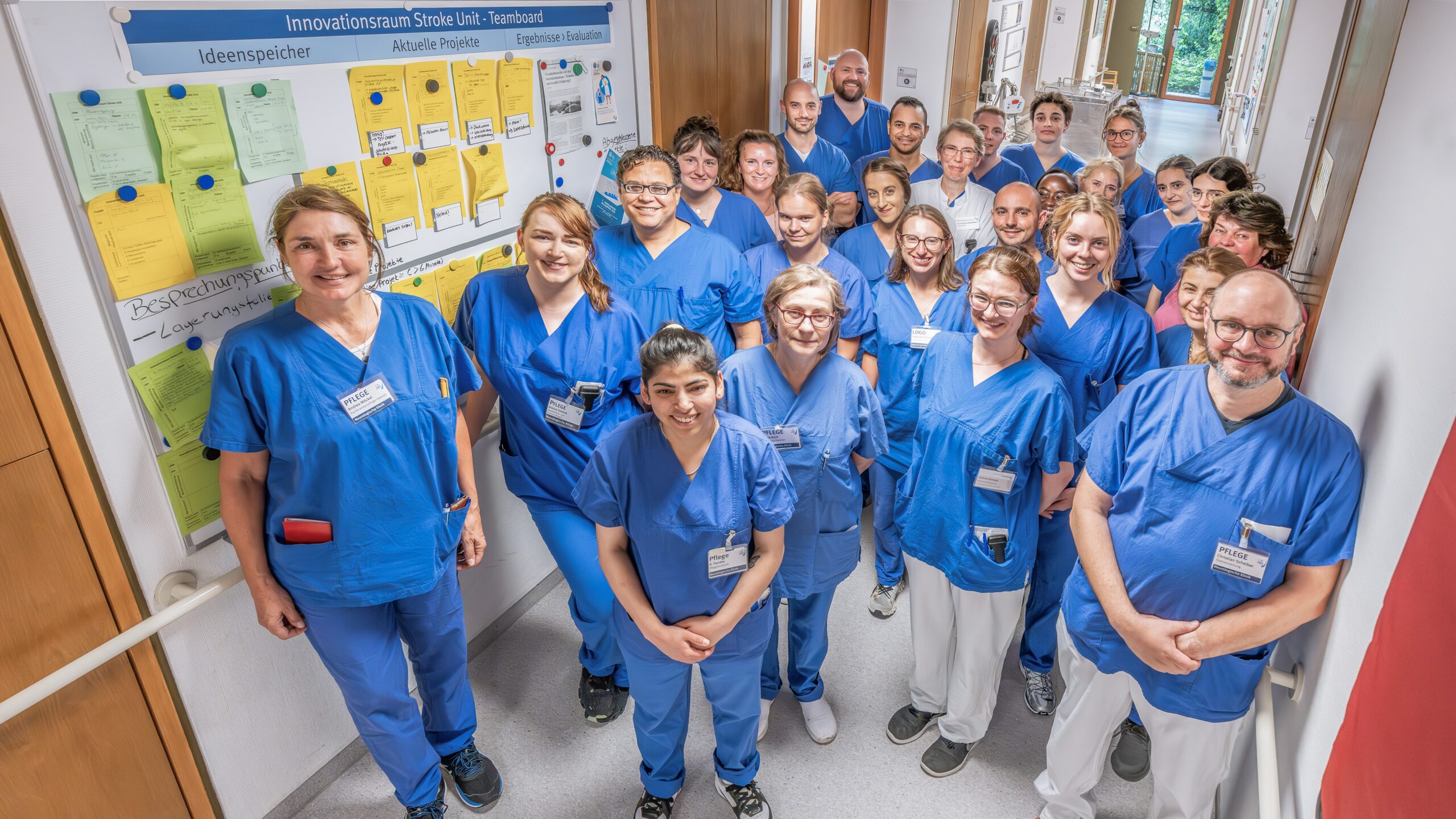
Award-winning: Concept for “the perfect stroke room”
UKHD wins DGN Nursing Award 2025 for its “Stroke Unit Innovation Room” project. Full Text in German below. Ausgezeichnet: Konzept für „das perfekte Schlaganfallzimmer“ UKHD gewinnt DGN-Pflegepreis 2025 für das Projekt „Innovationszimmer Stroke Unit“ Das Universitätsklinikum Heidelberg (UKHD) ist mit dem Pflegepreis der Deutschen Gesellschaft für Neurologie (DGN) ausgezeichnet worden. Prämiert wurde das Projekt „Innovationszimmer […]
read more
FDA approves Promega OncoMate® MSI Dx Analysis System as a companion diagnostic for KEYTRUDA® in combination with LENVIMA® in advanced endometrial cancer
Promega’s MSI technology will help identify patients with microsatellite stable (MSS) endometrial cancer Full Text in German below. Die FDA genehmigt das Promega OncoMate® MSI Dx Analysis System als Begleitdiagnostikum für KEYTRUDA® in Kombination mit LENVIMA® bei fortgeschrittenem Endometriumkarzinom Die MSI-Technologie von Promega wird bei der Identifizierung von Patientinnen mit mikrosatellitenstabilem (MSS) Endometriumkarzinom helfen Madison, […]
read more
AbbVie Announces U.S. FDA Approval of EPKINLY® (epcoritamab-bysp) in Combination with Rituximab and Lenalidomide for Relapsed or Refractory Follicular Lymphoma
NORTH CHICAGO, Ill., Nov. 18, 2025 /PRNewswire/ — AbbVie (NYSE: ABBV) today announced that EPKINLY® (epcoritamab-bysp), a T-cell engaging bispecific antibody administered subcutaneously, in combination with rituximab and lenalidomide (EPKINLY + R2) is approved by the U.S. Food and Drug Administration (FDA) for the treatment of adult patients with relapsed or refractory (R/R) follicular lymphoma (FL). This approval of […]
read more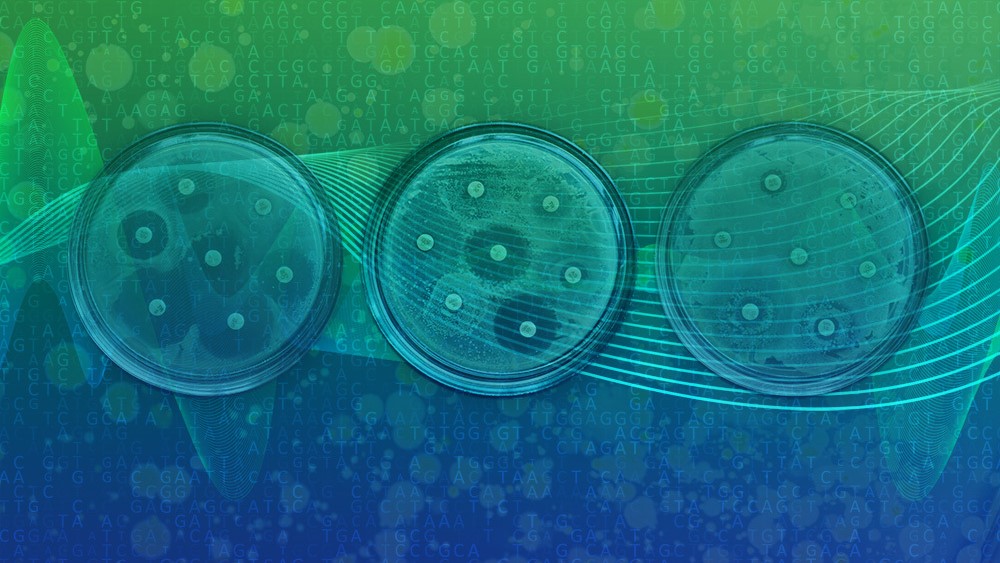
A new gateway to global antimicrobial resistance data
New online portal connects bacterial genomes with experimental resistance data to support antimicrobial resistance research Summary Antimicrobial resistance (AMR) is a growing health challenge, reducing the effectiveness of life-saving treatments and increasing the risk of complications from routine medical procedures. To support global AMR research, EMBL’s European Bioinformatics Institute (EMBL-EBI) has launched the AMR portal, a central […]
read more
New Publication: Hi-STEMProteomic Characterization Reveals CYP2S1 as a Mediator of Drug Resistance in PDACNew Publication: Hi-STEM
Abstract Objectives: To investigate the proteomic profile of different molecular subtypes of pancreatic ductal adenocarcinoma (PDAC) and understand their impact on patient outcomes, particularly focusing on pathways involved in xenobiotic metabolism and drug resistance. Methods: The study utilized the serum-free PACO cell culture model and a quantitative prefractionation-based MALDI/MS approach to establish the proteomic profiles […]
read more