

Research
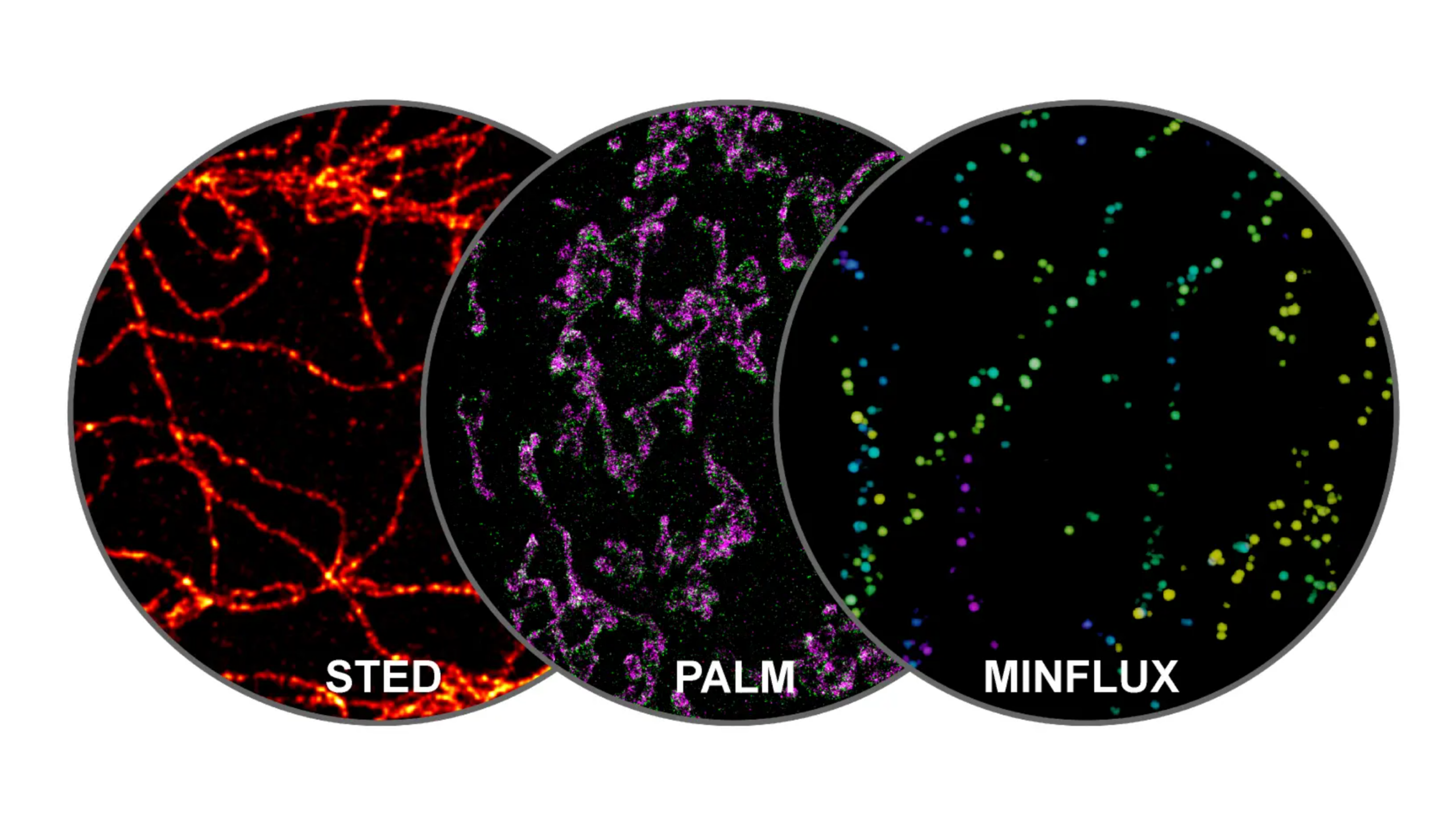
Illuminating the tiniest details of living cells just got a major boost: Scientists at the Max Planck Institute for Medical Research have developed new markers that glow in the far-red range and are activated by light. They are stable, easy to control, and compatible with several super-resolution microscopy techniques, as outlined in a paper published […]
read more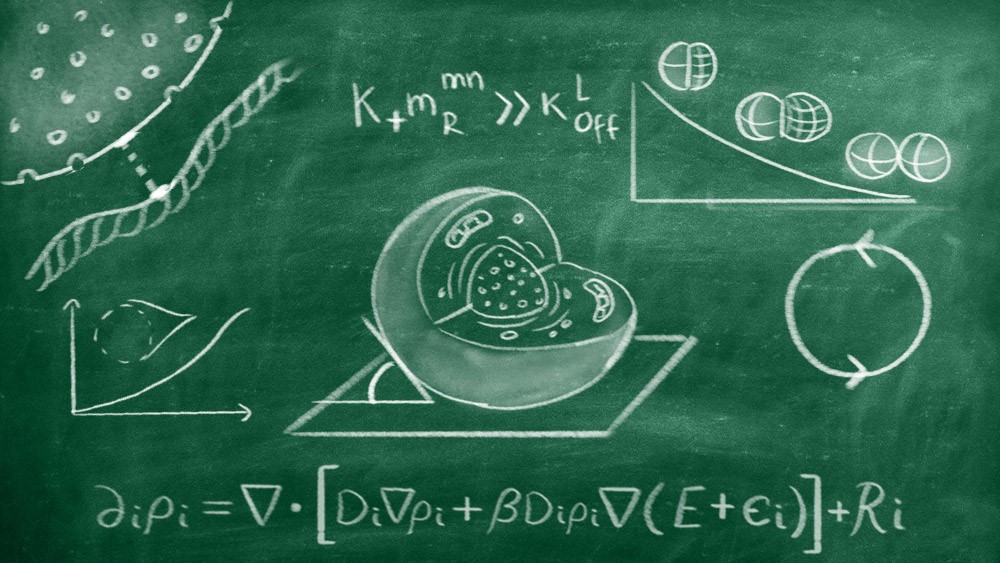
Shapes, signals, and boundaries: how cells turn physics into information
Insights from theoretical physics are helping scientists understand how living cells process information and use it to self-organise A flock of birds, an ant colony, heavy traffic on a highway – what do they all have in common? In addition to being things you wouldn’t want to suddenly find yourself in the middle of, they […]
read more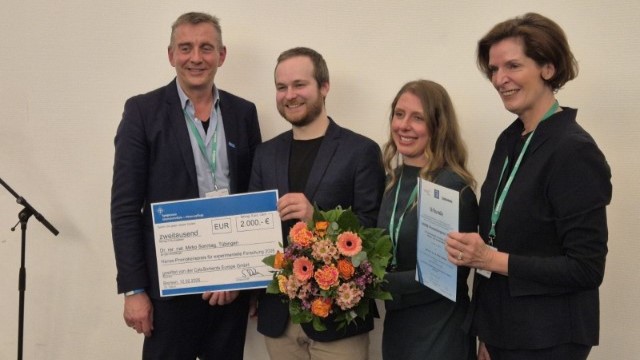
Fraunhofer IGB scientist Dr. Mirko Sonntag awarded Hanse Doctoral Prize 2026
As part of his doctoral studies, Dr. Mirko Sonntag researched innovative DNA-based methods for diagnosing sepsis. For this work, he received the Hanse Doctoral Award from the Scientific Association for the Promotion of Clinically Applied Research in Intensive Care Medicine on February 12, 2026. This award honors outstanding doctoral theses in the field of intensive […]
read more
The Key Is to Take Action! Stool Testing and Colonoscopy Show Comparable Effectiveness in Colorectal Cancer Screening
In recognition of Colorectal Cancer Awareness Month in March, the German Cancer Research Center (DKFZ) is drawing attention to the findings of a new study: Both regular stool-based tests and screening colonoscopies can significantly reduce the incidence of colorectal cancer and related mortality. When individuals participate consistently, the two prevention strategies are similarly effective. Colorectal […]
read more
NXTGN Startup Factory successful in international ranking
New innovation platform with significant involvement from Heidelberg University is one of Europe’s most important start-up centers In its first year of existence, the NXTGN Startup Factory has already become one of Europe’s most important start-up centers. As an innovation platform, the strategic alliance of Baden-Württemberg universities and private-sector partners, with significant participation from Heidelberg […]
read more
Shingles vaccination could slow cognitive decline
New study shows benefits in all stages of dementia New findings indicate that a shingles vaccination could not only reduce the risk of cognitive impairment and dementia, but also have a positive effect on the course of the disease in patients who are already ill. Scientists from Heidelberg University’s Medical Faculty, the University of Mainz, […]
read more
3D microtumors could revolutionize treatment decisions
Chemotherapy is often a central component of treatment for advanced colorectal cancer. However, not every therapy is equally effective for every patient. Researchers from the German Cancer Research Center (DKFZ), the HI-STEM* stem cell institute, and the biotech company Xilis in Utrecht, Netherlands, have now developed a new method for selecting the most effective drug […]
read more
Molecular cause of radiation damage identified
A severe side effect of radiation therapy can be debilitating fibrotic skin damage. Scientists at the German Cancer Research Center (DKFZ) have now identified a key factor in the development of this radiation damage. Modulating this factor could potentially prevent this severe adverse effect. Radiation therapy is one of the most important “pillars” of cancer […]
read more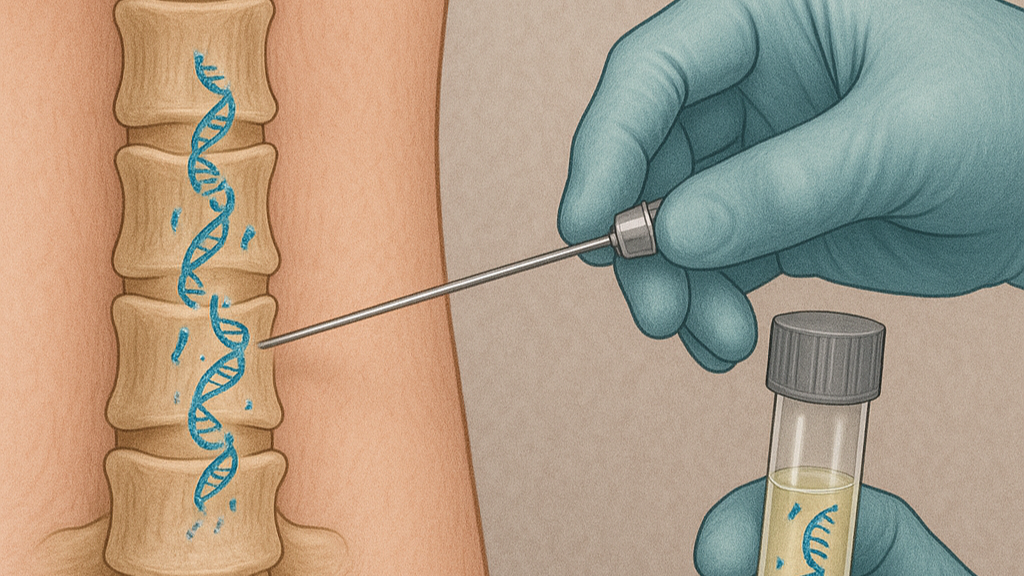
Tracing Tumors in Cerebrospinal Fluid: A New Opportunity for Precision Diagnostics in Brain Tumors
In a recently published scientific study, researchers have succeeded in accurately diagnosing common types of brain tumors in children and adolescents based on tumor-derived genetic material in cerebrospinal fluid. Until now, these so-called liquid biopsies were not capable enough for such reliable diagnostics. The international research team, involving the Medical Faculty of Heidelberg (MFHD) at […]
read more