


Research
New EMBL-EBI project explores the use of a concept developed in aerospace engineering to support rare disease research, diagnosis, and treatment Rare diseases are individually uncommon, but together they affect over 300 million people worldwide. There are more than 7,000 conditions that are classed as rare diseases, and many of them don’t have approved treatments. […]
read more
NMI TT in Reutlingen and Düsseldorf University Women’s Hospital develop high-precision method for analyzing individual circulating tumor cells
Researchers led by Dr. Michael Pawlak from NMI Technologie Transfer GmbH (NMI TT) in Reutlingen and Prof. Dr. Hans Neubauer from the Women’s Hospital at the University of Düsseldorf have developed a new method that enables a more precise analysis of individual tumor cells circulating in the blood. This allows not only the previously possible […]
read more
New Publication from CeMOS: Exploring the Aβ Plaque Microenvironment in Alzheimer’s Disease Model Mice by Multimodal Lipid-Protein-Histology Imaging on a Benchtop Mass Spectrometer
Müller, E.; Enzlein, T.; Niemeyer, D.; von Ammon, L.; Stumpo, K.; Biber, K.; Klein, C.; Hopf, C. Exploring the Aβ Plaque Microenvironment in Alzheimer’s Disease Model Mice by Multimodal Lipid-Protein-Histology Imaging on a Benchtop Mass Spectrometer. Pharmaceuticals 2025, 18, 252. https://doi.org/10.3390/ph18020252 Abstract Amyloid-β (Aβ) plaque deposits in the brain are a hallmark of Alzheimer’s disease (AD) neuropathology. Plaques […]
read more
Optical nanoscopy without the ON/OFF
Researchers have increased the resolution in fluorescence microscopy by a factor of 30 without having to sequentially switch fluorescent molecules between light and dark states. The Nobel Prize-winning STED and PALM/STORM microscopes, as well as other super-resolution fluorescence microscopes, provide resolutions of a fraction of the wavelength of light. However, to image adjacent fluorescent molecules […]
read more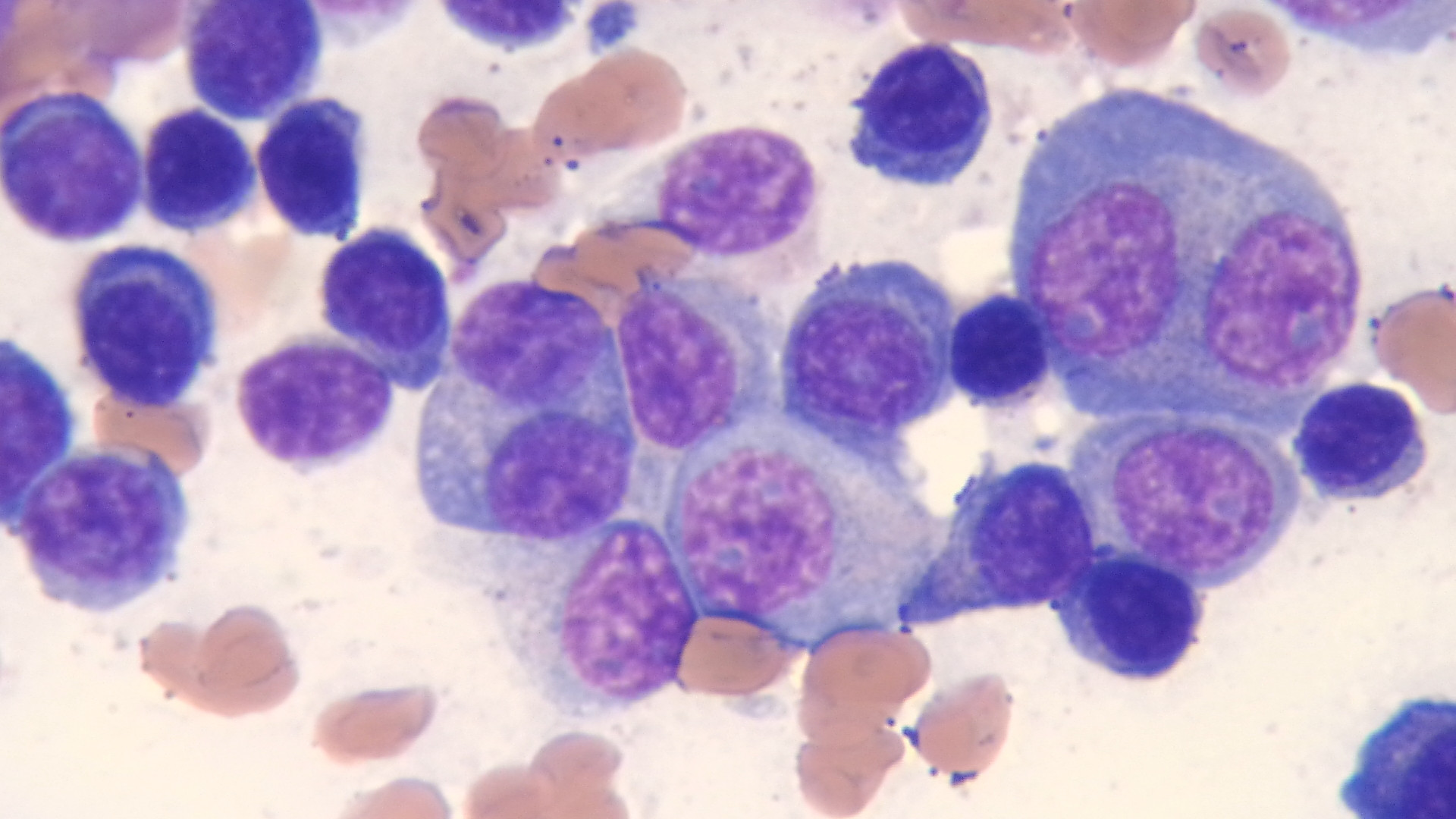
Bone marrow cancer multiple myeloma: immunotherapy before stem cell transplantation delays recurrence of the disease
The results from a phase 3 trial involving 662 patients from 67 clinics led by Heidelberg University Hospital and the Heidelberg Medical Faculty at Heidelberg University indicate that a new immunotherapeutic approach keeps the disease under control for longer. The data has just been published in the Journal of Clinical Oncology. The study has been […]
read more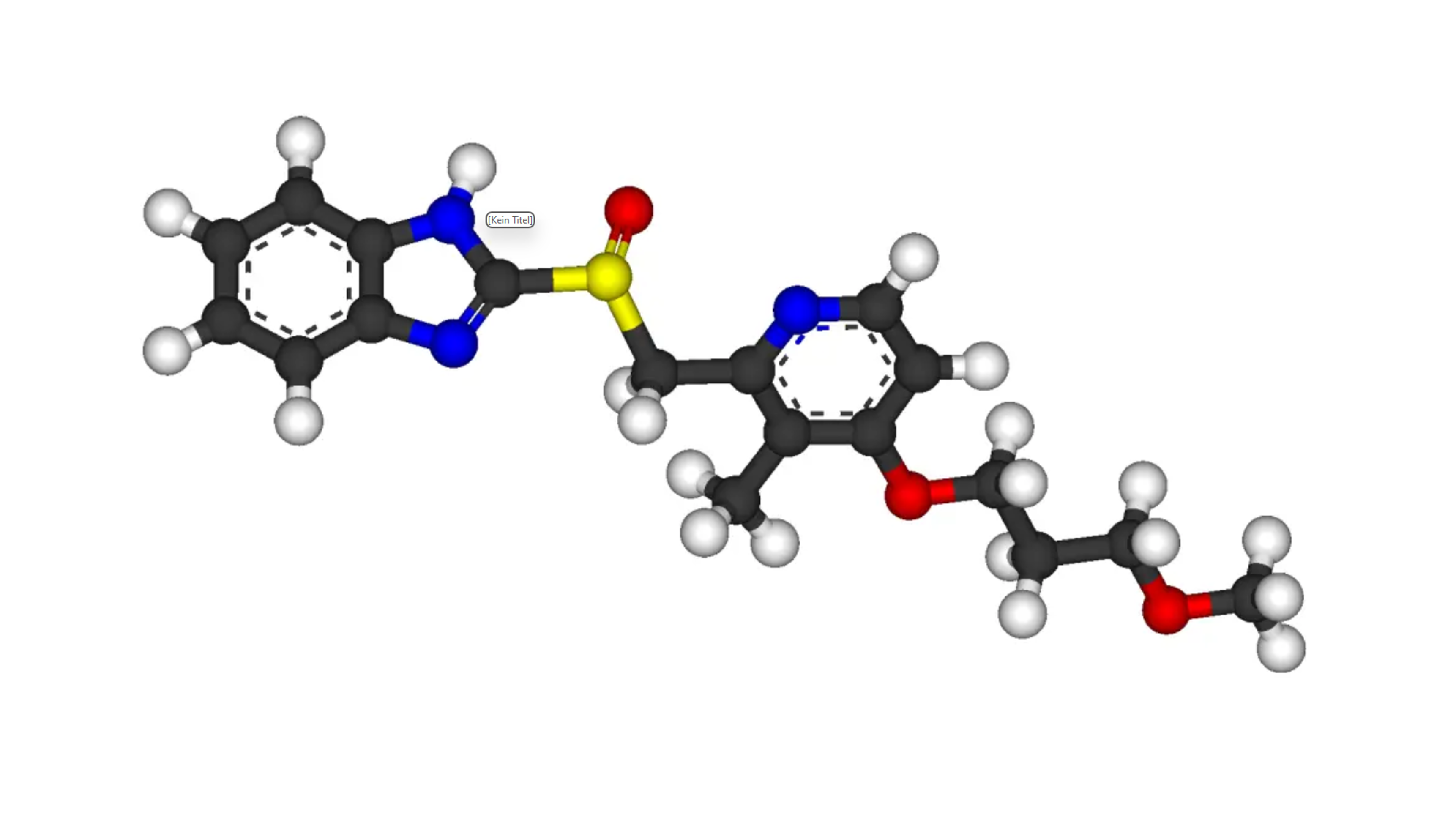
Surprising finding for acid reducing drugs
Acid reducing medicines from the group of proton pump inhibitors (PPIs) are best-selling drugs that prevent and alleviate stomach problems. PPIs are activated in the acid-producing cells of the stomach, where they block acid production. Researchers at the German Cancer Research Center (DKFZ) made the surprising discovery that zinc-carrying proteins, which are found in all […]
read more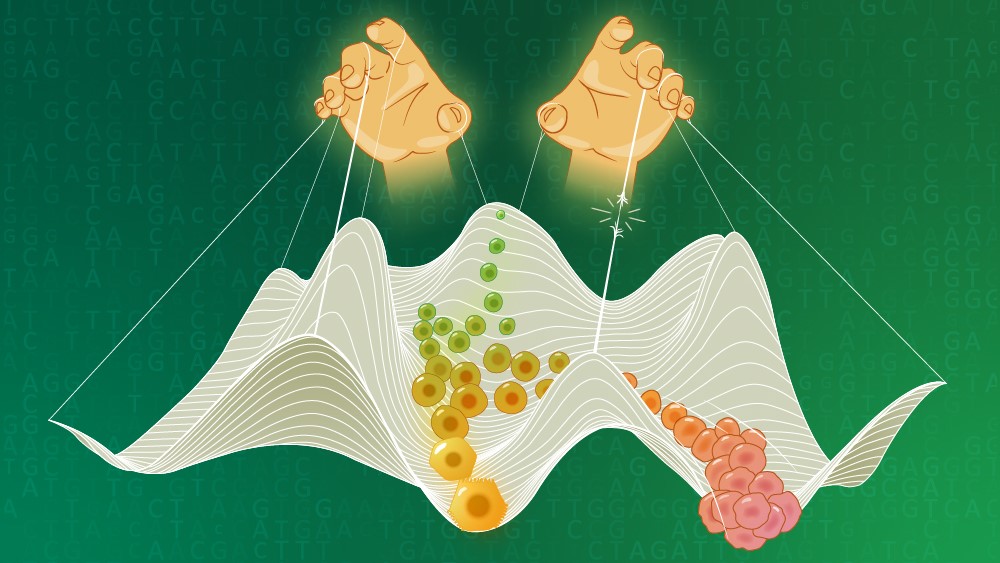
A special puppeteer holds the strings to liver cells’ identity
Scientists at EMBL and DKFZ have discovered how cells in the liver maintain their identity and avoid becoming tumour cells Summary A collaboration between EMBL Heidelberg and the German Cancer Research Centre (DKFZ) led to the identification of a special protein in liver cells, which helps maintain the cells’ identity throughout their lifetime and prevents […]
read more
Multiple myeloma: When cancer cells break out of the bone marrow, dangerous diversity develops
A research team from the Heidelberg Medical Faculty, the German Cancer Research Center (DKFZ), the Berlin Institute of Health at Charité (BIH) and the Max Delbrück Center has discovered new details about the spread of the incurable bone marrow cancer “multiple myeloma” in the body: When the cancer cells break out of the bone and […]
read more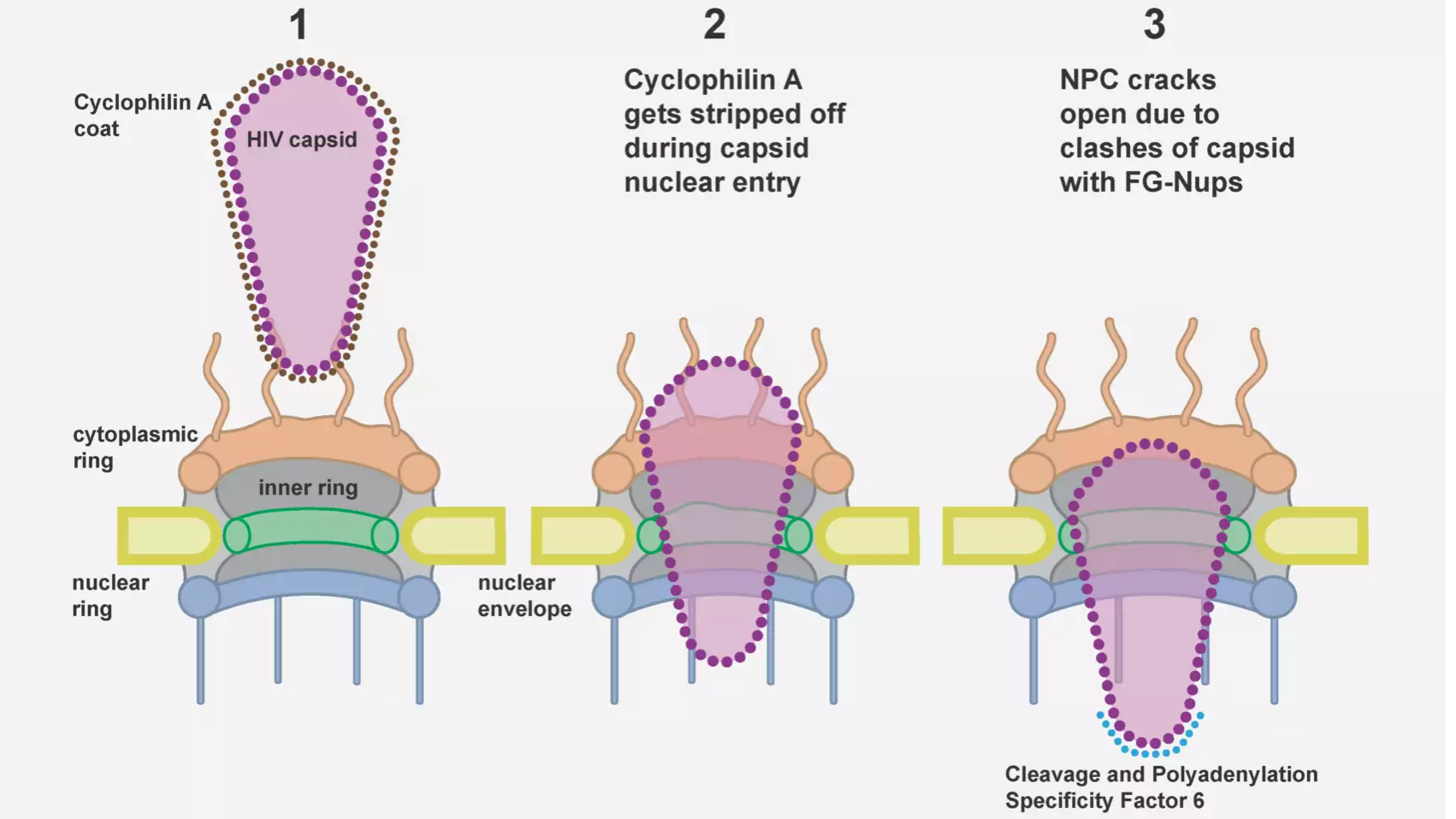
How the HIV-1 Capsid Cracks the Barrier of the Human Nucleus
New evidence points towards a forceful entry of HIV-1 capsid into the nucleus of human cells Researchers at the Max Planck Institute of Biophysics and Heidelberg University have observed largely intact HIV-1 capsids as they enter the cell nucleus through specialized channels called nuclear pores. In an exciting interdisciplinary study, they propose a new mechanism […]
read more