Cells Have an Early-Warning System for Stress in Mitochondria
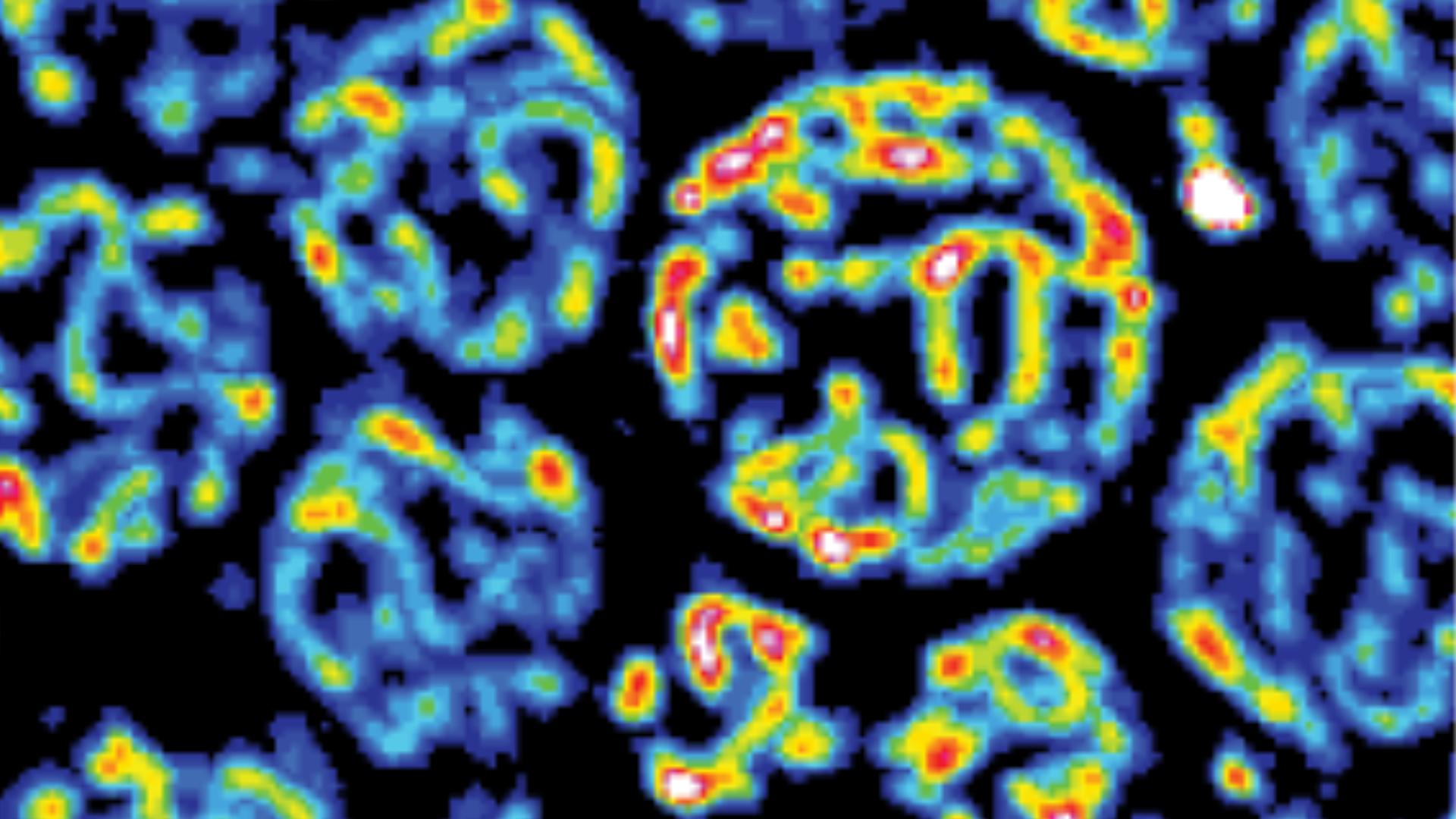
Internal protective mechanism responds to the very first signs of mitochondrial dysfunction
Mitochondria – the powerhouses of the cell – have their own monitoring system that detects oxidative stress at a very early stage. It activates protective mechanisms even before the damage caused by this stress can spread to the rest of the cell. This was discovered by researchers at the universities of Heidelberg, Freiburg, and Münster. The previously unknown mechanism of internal quality control provides new insights into how cells respond to the very first signs of mitochondrial dysfunction and keep their powerhouses functioning during aging and disease.
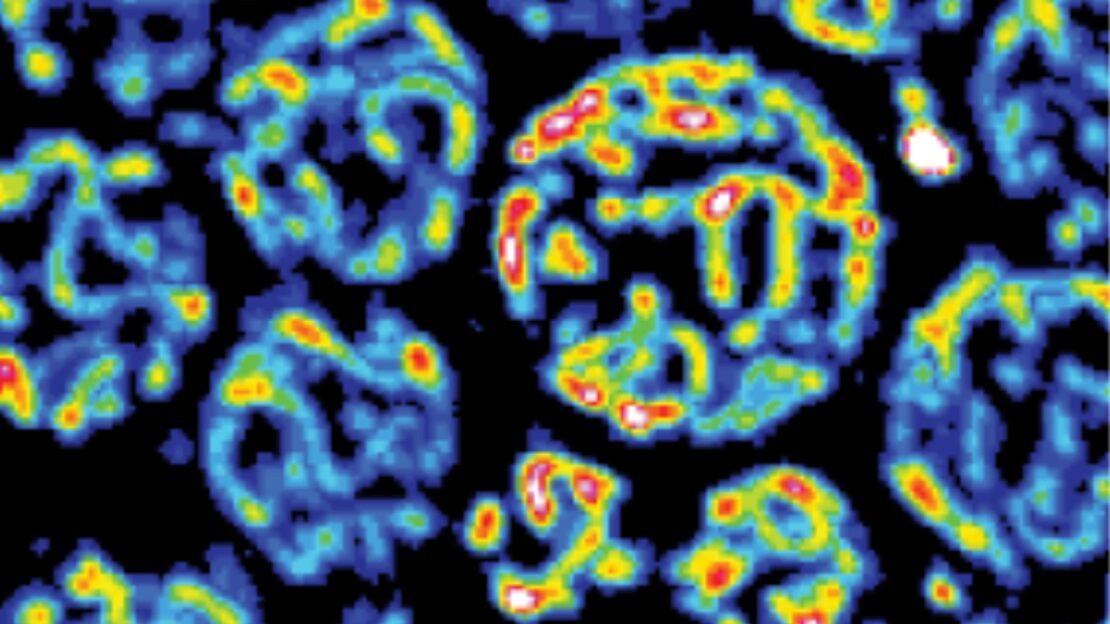
When mitochondria supply cells with energy, reactive oxygen species are also produced – chemically highly reactive molecules that can damage proteins and other cellular components. Cells have protective mechanisms against this oxidative stress, which plays an important role in aging processes as well as in numerous diseases, including neurodegenerative disorders. One of the most important mechanisms is the mitochondrial unfolded protein response (UPRmt). This stress response ensures that damaged mitochondria are stabilized and repaired.
To date, mitochondrial stress responses have mostly been studied using very intense experimental stressors that rapidly and severely damage the cell’s powerhouses. The findings suggest that stress signals are first released from the mitochondria and then detected within the cell. However, such model experimental conditions differ significantly from the relatively mild and slowly developing stresses that occur during aging or disease. Until now, it was therefore unclear: How do cells detect the very first signs of mitochondrial dysfunction?
The team from Heidelberg, Freiburg, and Münster developed an experimental system that can be used to specifically induce very low levels of oxidative stress within the mitochondria. The results of the studies show that even mild stress is sufficient to activate the mitochondrial stress response. This activation occurs before measurable damage appears outside the mitochondria. “They therefore have an internal quality control mechanism and can independently detect signs of dysfunction without relying on alarm signals from inside the cell,” says Prof. Dr. Nora Vögtle, research group leader at the Center for Molecular Biology of Heidelberg University.
In the course of their research, the scientists identified two mitochondrial enzymes that proved to be particularly vulnerable early targets of oxidative stress. These enzymes, known as MPP and Oct1, process newly imported mitochondrial proteins. Under stressful conditions – that is, due to reactive oxygen species – they partially lose their function, however. This can lead to the accumulation of proteins within the mitochondria. These accumulations apparently serve as a warning signal and trigger the mitochondrial unfolded protein response, as Prof. Vögtle explains.
According to the Heidelberg researcher, the latest research findings are changing our current understanding of how mitochondrial stress responses are triggered. Mitochondria no longer appear to be passive organelles that rely on the rest of the cell to detect damage. Instead, they possess a kind of internal early-warning system that responds even to minor functional disturbances. “This allows the cell to initiate protective measures before serious damage occurs and spreads throughout the cell,” says Prof. Dr. Chris Meisinger of the Faculty of Medicine at the University of Freiburg, where he conducts research at the Institute of Biochemistry and Molecular Biology.
The research was conducted using yeast cells; however, many of the mechanisms studied are highly conserved evolutionarily and, according to Prof. Vögtle, are also present in human cells, including the stress-sensitive enzymes MPP and Oct1. The findings could contribute to a better understanding of aging processes, neurodegenerative diseases, and mitochondriopathies – a group of inherited metabolic disorders. In the long term, the researchers hope to identify new approaches for developing therapeutic strategies that help stabilize mitochondrial function.
The research was funded by the German Research Foundation and supported by the Network Aging Research at Heidelberg University. The results appeared in “Molecular Cell”.
Original publication
A.A. Taskin, S. Shankar, C. Peselj, A. Flotho, M. Gomez-Fabra Gala, D. Poveda-Huertes, L. Myketin, D. Mutlu, A. Marada, S. Schuck, M. Jeske, S. Büttner, M. Luzarowski, C. Meisinger, F.-N. Vögtle: Uncovering the initial response: Intra-mitochondrial surveillance activates the UPRmt. Molecular Cell, Volume 86, Issue 11, 4 June 2026, Pages 2157-2172.e10