June 13, 2025

HOW DO CANCER CELLS BECOME RESISTANT? WILHELM SANDER FOUNDATION FUNDS TWO RESEARCH PROJECTS AT MFHD AND UKHD
HOW DO CANCER CELLS BECOME RESISTANT? WILHELM SANDER FOUNDATION FUNDS TWO RESEARCH PROJECTS AT MFHD AND UKHD

Cancer cells can become resistant to treatment: Drugs that were previously successful in combating the tumour then lose their effect. Two research teams from Heidelberg University’s Faculty of Medicine (MFHD) and Heidelberg University Hospital (UKHD) are currently trying to decipher how this ‘therapy resistance’ develops. The team led by Prof Dr Kai Breuhahn and Dr Sofia Weiler from the Institute of Pathology and Dr Dr Varun Venkataramani from the Department of Neurology at the UKHD hope that these findings will lead to new targets against cancer. The Wilhelm Sander Foundation is supporting them in their research work with a total of over 300,000 euros.

Dr Varun Venkataramani, senior physician at the Department of Neurology at Heidelberg University Hospital, is researching how a certain type of brain cell, known as oligodendrocytes, communicate with the cells of a highly aggressive brain tumour, glioblastoma. Venkataramani suspects that this interaction could contribute to resistance to therapy and is looking for new targets for treatment. The Wilhelm Sander Foundation is funding Venkataramani’s research project ‘Communication between tumour cells and oligodendrocytes as a novel therapeutic target in glioblastoma’ with around 200,000 euros.
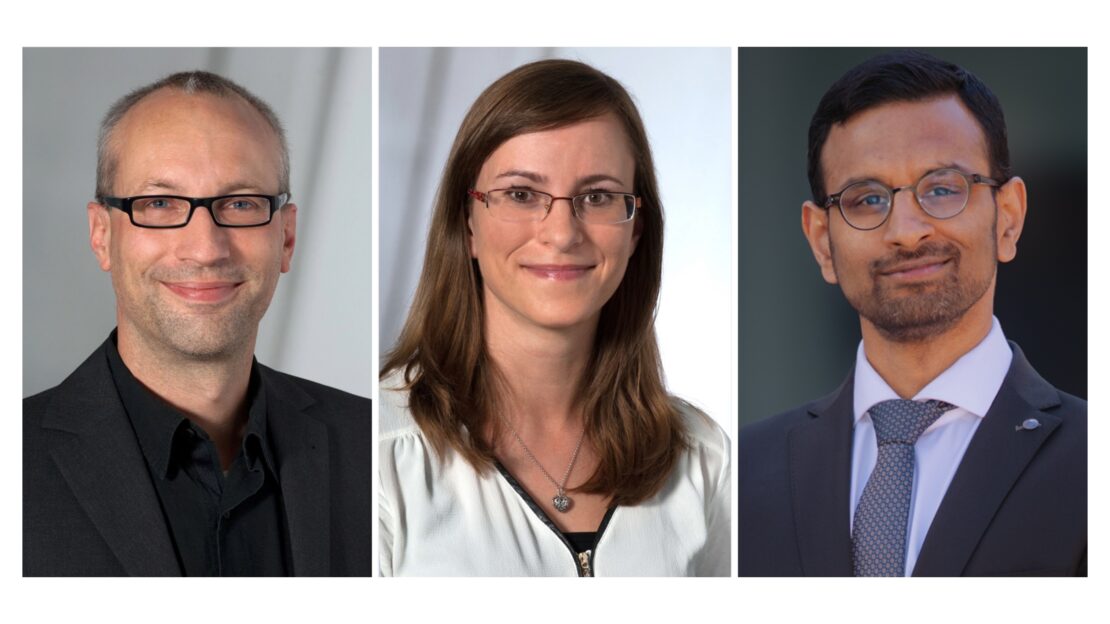
Prof. Dr. Kai Breuhahn and Dr. Sofia Weiler from the Pathological Institute and Dr. Dr. Varun Venkataramani from the Neurological Clinic of the Heidelberg University Hospital (from left to right) receive research funding from the Wilhelm Sander Foundation.

New combination therapies for liver cancer possible?

Prof. Dr Kai Breuhahn and Dr Sofia Weiler from the Institute of Pathology at Heidelberg University Hospital and their team are investigating how a specific protein structure, the so-called YAP/TAZ/TEAD protein complex, is altered during the course of tumour therapy for liver cancer. This change could contribute to liver cancer becoming resistant to treatment with new drugs. The ‘Reorganisation of transcription factor complexes under therapy’, the title of the funded project, may open up approaches for new combination therapies. The Wilhelm Sander Foundation is funding the research project with 109,000 euros. Cooperation partners of the project are Prof. Dr Stephan Singer (Pathology and Pathological Anatomy, University Hospital Tübingen) and Merck Healthcare.
Our latest News

discover more
Lonza Announces Results of the 2026 Annual General Meeting – All Motions Proposed by Board of Directors Approved

Lonza Announces Results of the 2026 Annual General Meeting – All Motions Proposed by Board of Directors Approved

Basel, Switzerland, 8 May 2026 – Today, Lonza Group Ltd held its Annual General Meeting (AGM), led by the Chair of the Board of Directors, Jean-Marc Huët. 62.58% of the share capital was represented at the AGM, with attending and represented shareholders collectively holding a total of 43,948,027 shares.  All Board members standing for re-election were re-elected, each for a further term in office until the completion of the AGM 2027. The following Board members stood for re-election: Jean-Marc Huët, Juan […]

A single swab is sufficient: Study paves the way for simplified tuberculosis diagnosis

A single swab is sufficient: Study paves the way for simplified tuberculosis diagnosis

Led by researchers from Heidelberg Faculty of Medicine at Heidelberg University and the University of California, San Francisco (USA), an international research team has evaluated a novel approach for the diagnosis of pulmonary tuberculosis. The method enables detection of Mycobacterium tuberculosis without laboratory infrastructure, within a markedly shorter time frame than conventional diagnostics, and using […]

Hella Bühler Prize Awarded to DKFZ Researcher Angelika Feldmann

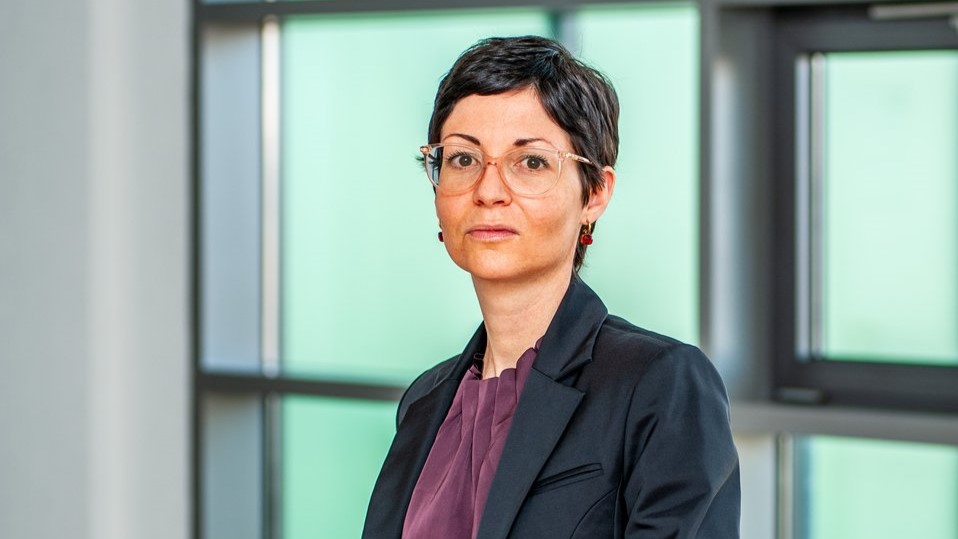
Hella Bühler Prize Awarded to DKFZ Researcher Angelika Feldmann

For her groundbreaking research on the regulation of gene activity, Angelika Feldmann has been awarded the 2026 Hella Bühler Prize, which comes with a grant of €100,000. Presented by Heidelberg University, the award is intended for young researchers in the Heidelberg research community who have already distinguished themselves through outstanding scientific achievements in cancer research. […]

GET IN TOUCH

Stay Updated with bioRN’s Newsletter

Sign up for our newsletter to discover more!
* required

BioRN (BioRN Network e.V. and BioRN Cluster Management GmbH) will use the information you provide on this form to be in touch with you and to provide updates and marketing. Please let us know all the ways you would like to hear from us:

You can update your subscription preferences or unsubscribe at any time. Just follow the unsubscribe or update link in the footer of automated emails you receive from us, or by contacting us at info@biorn.org. We will treat your information with respect. For more information about our privacy practices please visit our website: www.biorn.org. By clicking below, you agree that we may process your information in accordance with these terms.

We use Mailchimp as our marketing platform. By clicking below to subscribe, you acknowledge that your information will be transferred to Mailchimp for processing. Learn more about Mailchimp's privacy practices.

Intuit Mailchimp