Leukemia stem cells cause treatments to fail – Findings open new avenues to overcome resistance
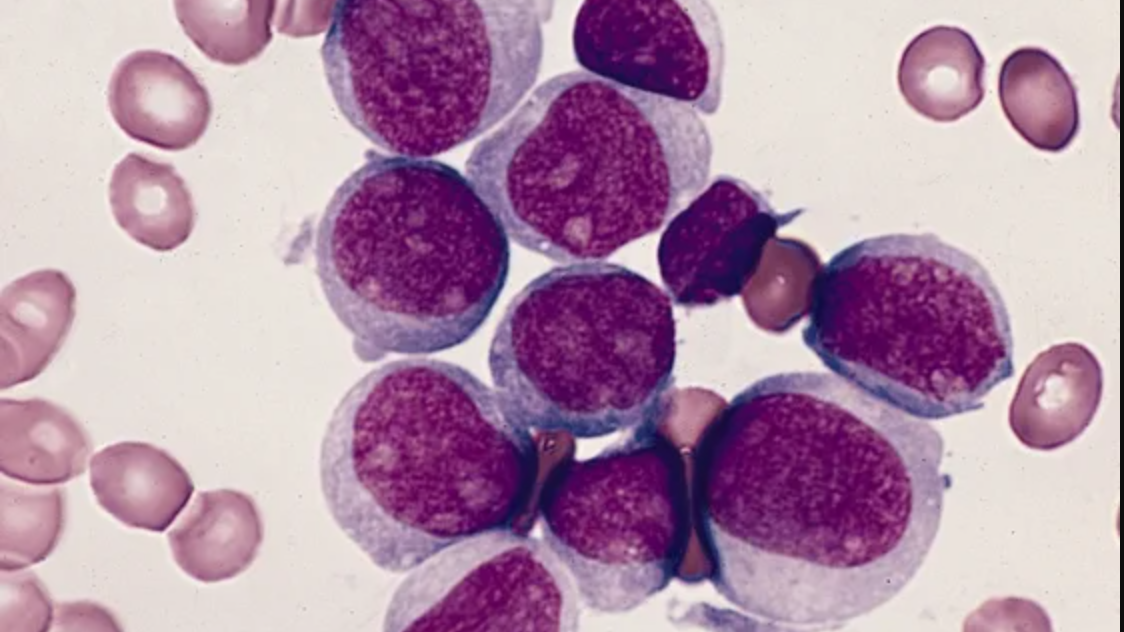
Scientists from the German Cancer Research Center (DKFZ) and the HI-STEM* Stem Cell Institute have deciphered a key mechanism that contributes to treatment failure in acute myeloid leukemia (AML). They show that there are not just one, but four different subtypes of leukemia stem cells. This diversity could explain why one of the most important AML drugs does not work sufficiently in some patients or loses its effectiveness over time – resulting in the return of leukemia. This discovery lays an important foundation for more precise and long-term successful treatment strategies that could specifically overcome resistance mechanisms.
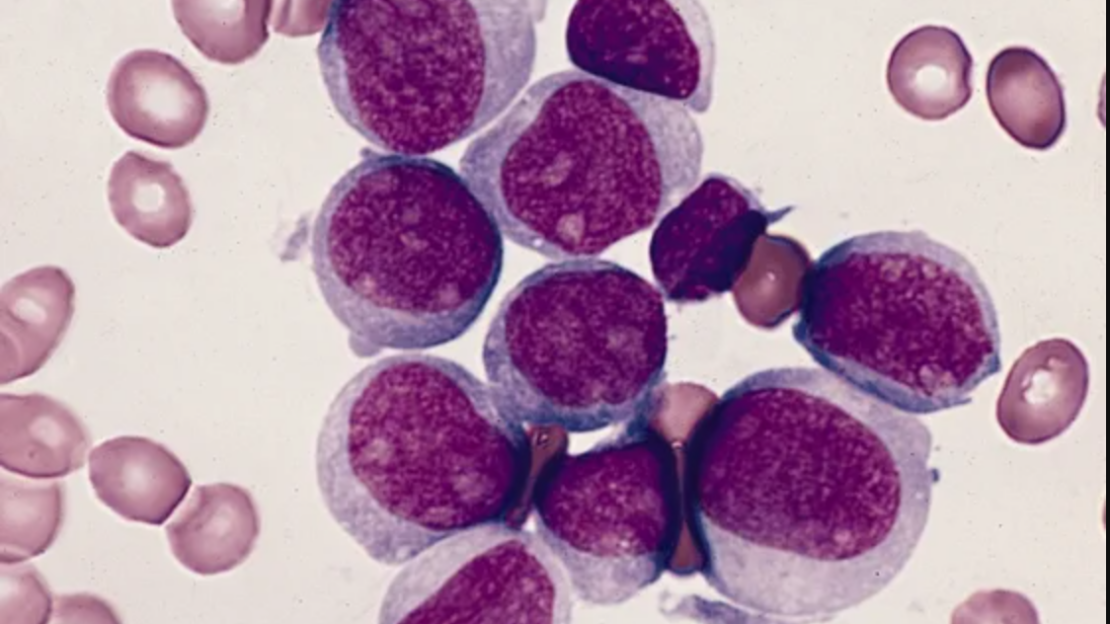
Acute myeloid leukemia (AML) is an aggressive form of blood cancer that primarily affects older people and often has a poor prognosis despite improved therapies. In recent years, the targeted drug venetoclax has significantly improved treatment. In combination with other drugs, venetoclax often shows good therapeutic success in AML and will, at least in part, replace highly aggressive chemotherapy in the future. However, AML returns in nearly all patients—usually because individual cancer stem cells become resistant to the drug.
In a recent study, researchers led by Andreas Trumpp at HI-STEM and the DKFZ focused on AML stem cells. These rare cells are considered the “root” of the disease: they can self-renew indefinitely and are responsible for treatment resistance and relapses. The scientists examined samples from more than 150 AML patients and demonstrated that there is not just one type of these stem cells, but at least four distinct subtypes. They differ in which developmental stage of healthy blood cells they resemble—and this is precisely what determines how they respond to venetoclax therapy.
Stem Cells Evade the Drug’s Effects
Venetoclax blocks the activity of the BCL-2 protein, which ensures the survival of leukemia cells. This pharmacological blockade triggers programmed cell death (apoptosis) in the blood cancer cells. A key finding: the drug’s efficacy depends heavily on which survival mechanisms the leukemia stem cells rely on. While some types of stem cells are particularly dependent on the drug’s target protein, the apoptosis inhibitor BCL-2, others use alternative survival strategies to protect themselves. Particularly problematic is the cancer cells’ ability to alter their state. Under the pressure of therapy, they can “reprogram” themselves and switch to a resistant state.
The researchers observed that many leukemia cells transition into a cell type that is less sensitive to venetoclax during treatment. These cells then switch to a related protein (BCL-xL) to ensure survival, thereby evading the effects of venetoclax.
Stem cell subtypes respond to different drugs
The good news: The study also identifies concrete ways to overcome venetoclax resistance, for example by combining venetoclax with a BCL-xL inhibitor. Depending on the subtype of leukemic stem cells, cancer cells respond to different drugs. Thus, certain resistant cell types could be specifically treated with drugs that precisely block their respective survival mechanisms. In mice transplanted with leukemia cells from the respective patients, the researchers were able to show that such combination therapies are significantly more effective than previous standard treatments.
Biomarkers Define Stem Cell Subtypes
Another important finding of the current study is that the different cell types can be identified using specific biomarkers. “This means that in the future, it may be possible to determine at the time of diagnosis which patient will benefit most from which therapy. Treatment would thus become more individualized, targeted, and potentially successful,” explains Alexander Waclawiczek, first author of the study.
“The results should help to align AML therapy in the future more closely with the biological characteristics of individual AML cases and, in particular, their leukemia stem cells, rather than treating all patients according to a similar protocol,” says study leader Andreas Trumpp, adding: “Testing this new treatment strategy in a clinical trial with AMP patients would now be the next step.”
Publication:
Alexander Waclawiczek*, Aino-Maija Leppä*, Simon Renders*, Ines Bergerweiss, Karolin Stumpf, Barbara Betz, Susanna Gabrowski, Frank Y. Huang, Maria-Eleni Lalioti, Bendix Hempel, Markus Sohn Heikki Kuusanmäki, Vera Thiel, Julia Marie Unglaub, Rabia Shahswar, Sarah Richter, Maike Janssen, Darja Karpova, Elisa Donato, Halvard Bonig, Christoph Röllig, Simon Raffel, Michael Heuser, Michael Hundemer, Mika Kontro, Ann-Kathrin Eisfeld, Tim Sauer, Nina Cabezas-Wallscheid, Carsten Müller-Tidow, and Andreas Trumpp: Leukemic stem cell subtypes determine venetoclax resistance and therapeutic vulnerabilities in AML (*co-first authors)
CELL Stem Cell 2026, DOI: 10.1016/j.stem.2026.04.012
https://www.cell.com/cell-stem-cell/fulltext/S1934-5909(26)00152-9
*The Heidelberg Institute for Stem Cell Technology and Experimental Medicine (HI-STEM) gGmbH was founded in 2008 as a public-private partnership between the DKFZ and the Dietmar Hopp Foundation.