January 16, 2025

New Publication: Single-cell multiomics analysis reveals dynamic clonal evolution and targetable phenotypes in acute myeloid leukemia with complex karyotype

New Publication: Single-cell multiomics analysis reveals dynamic clonal evolution and targetable phenotypes in acute myeloid leukemia with complex karyotype

Leppä, AM., Grimes, K., Jeong, H. et al. Single-cell multiomics analysis reveals dynamic clonal evolution and targetable phenotypes in acute myeloid leukemia with complex karyotype. Nat Genet 56, 2790–2803 (2024). https://doi.org/10.1038/s41588-024-01999-x

Abstract

Chromosomal instability is a major driver of intratumoral heterogeneity (ITH), promoting tumor progression. In the present study, we combined structural variant discovery and nucleosome occupancy profiling with transcriptomic and immunophenotypic changes in single cells to study ITH in complex karyotype acute myeloid leukemia (CK-AML). We observed complex structural variant landscapes within individual cells of patients with CK-AML characterized by linear and circular breakage–fusion–bridge cycles and chromothripsis. We identified three clonal evolution patterns in diagnosis or salvage CK-AML (monoclonal, linear and branched polyclonal), with 75% harboring multiple subclones that frequently displayed ongoing karyotype remodeling. Using patient-derived xenografts, we demonstrated varied clonal evolution of leukemic stem cells (LSCs) and further dissected subclone-specific drug–response profiles to identify LSC-targeting therapies, including BCL-xL inhibition. In paired longitudinal patient samples, we further revealed genetic evolution and cell-type plasticity as mechanisms of disease progression. By dissecting dynamic genomic, phenotypic and functional complexity of CK-AML, our findings offer clinically relevant avenues for characterizing and targeting disease-driving LSCs.
Our latest News

discover more
Study shows how lymph node architecture affects cancer growth

Study shows how lymph node architecture affects cancer growth

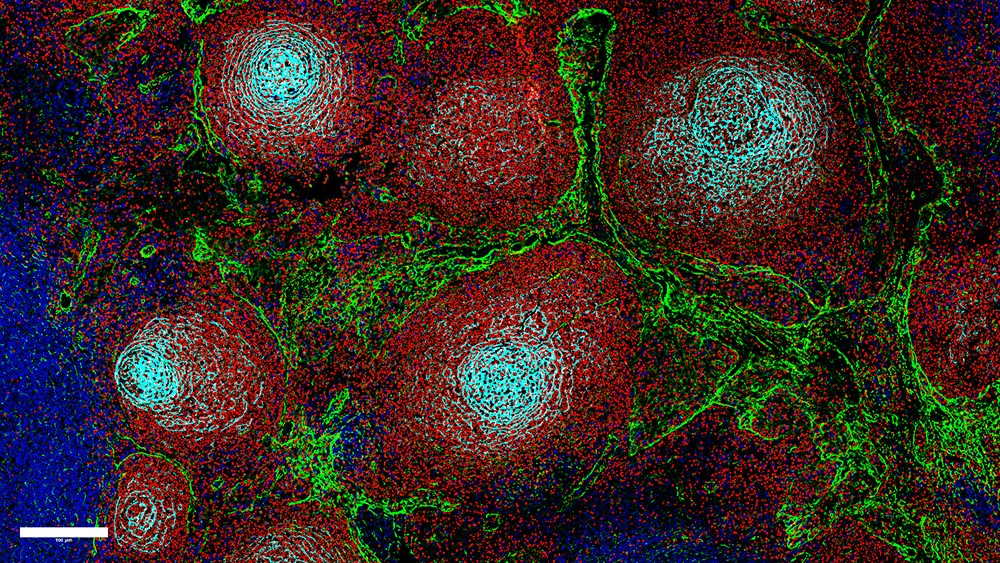
A new study maps the organisation of immune and stromal cells in lymph nodes and shows how loss of this organisation affects prognosis in certain lymphomas Summary Researchers from EMBL Heidelberg, Heinrich Heine University Düsseldorf (HHU), and Düsseldorf University Hospital (UKD) have succeeded for the first time in mapping the organisation of immune and stromal […]

High-throughput testing of drugs on mini-tumors reveals vulnerabilities in meningiomas

High-throughput testing of drugs on mini-tumors reveals vulnerabilities in meningiomas

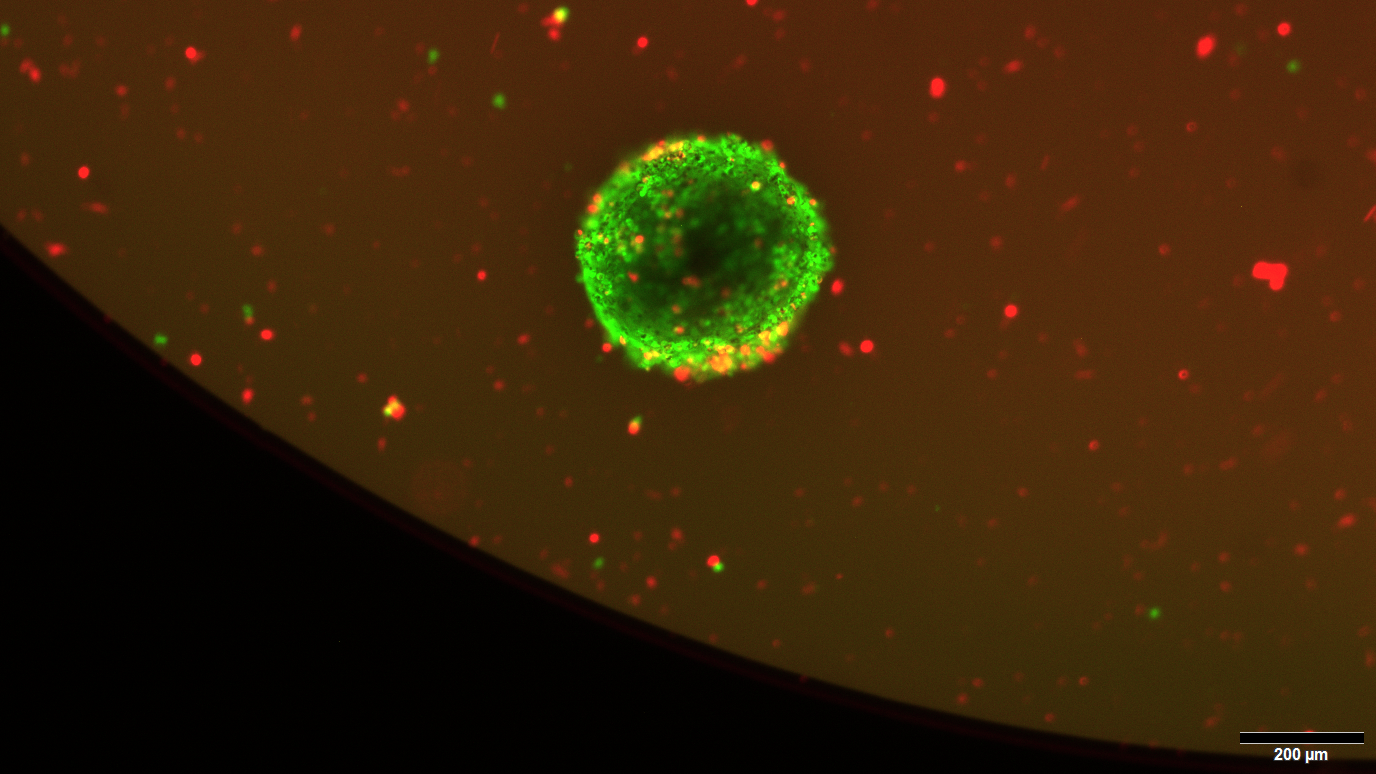
Meningiomas are the most common brain tumors. Until now, only two methods have generally been considered for treating them: surgery and radiation therapy. A research team in Heidelberg has now developed a potential new approach for effective systemic therapy. Its members from Heidelberg University’s Faculty of Medicine and Heidelberg University Hospital (UKHD) tested the effectiveness […]

Development of a method for improved monitoring of the early stages of bone marrow cancer

Development of a method for improved monitoring of the early stages of bone marrow cancer

An international team, including researchers from Heidelberg University’s Faculty of Medicine and Heidelberg University Hospital, has developed the PANGEA-SMM prognostic tool. This tool makes it possible to determine with greater accuracy than before whether a precancerous condition—known as “smoldering multiple myeloma”—is progressing and thus requires treatment. The free online tool for treatment teams is available […]

GET IN TOUCH

Stay Updated with bioRN’s Newsletter

Sign up for our newsletter to discover more!
* required

BioRN (BioRN Network e.V. and BioRN Cluster Management GmbH) will use the information you provide on this form to be in touch with you and to provide updates and marketing. Please let us know all the ways you would like to hear from us:

You can update your subscription preferences or unsubscribe at any time. Just follow the unsubscribe or update link in the footer of automated emails you receive from us, or by contacting us at info@biorn.org. We will treat your information with respect. For more information about our privacy practices please visit our website: www.biorn.org. By clicking below, you agree that we may process your information in accordance with these terms.

We use Mailchimp as our marketing platform. By clicking below to subscribe, you acknowledge that your information will be transferred to Mailchimp for processing. Learn more about Mailchimp's privacy practices.

Intuit Mailchimp