Universität Heidelberg Successful with Application for Collaborative Research Centre
DFG funds extended CRC with approximately 17.4 million euros
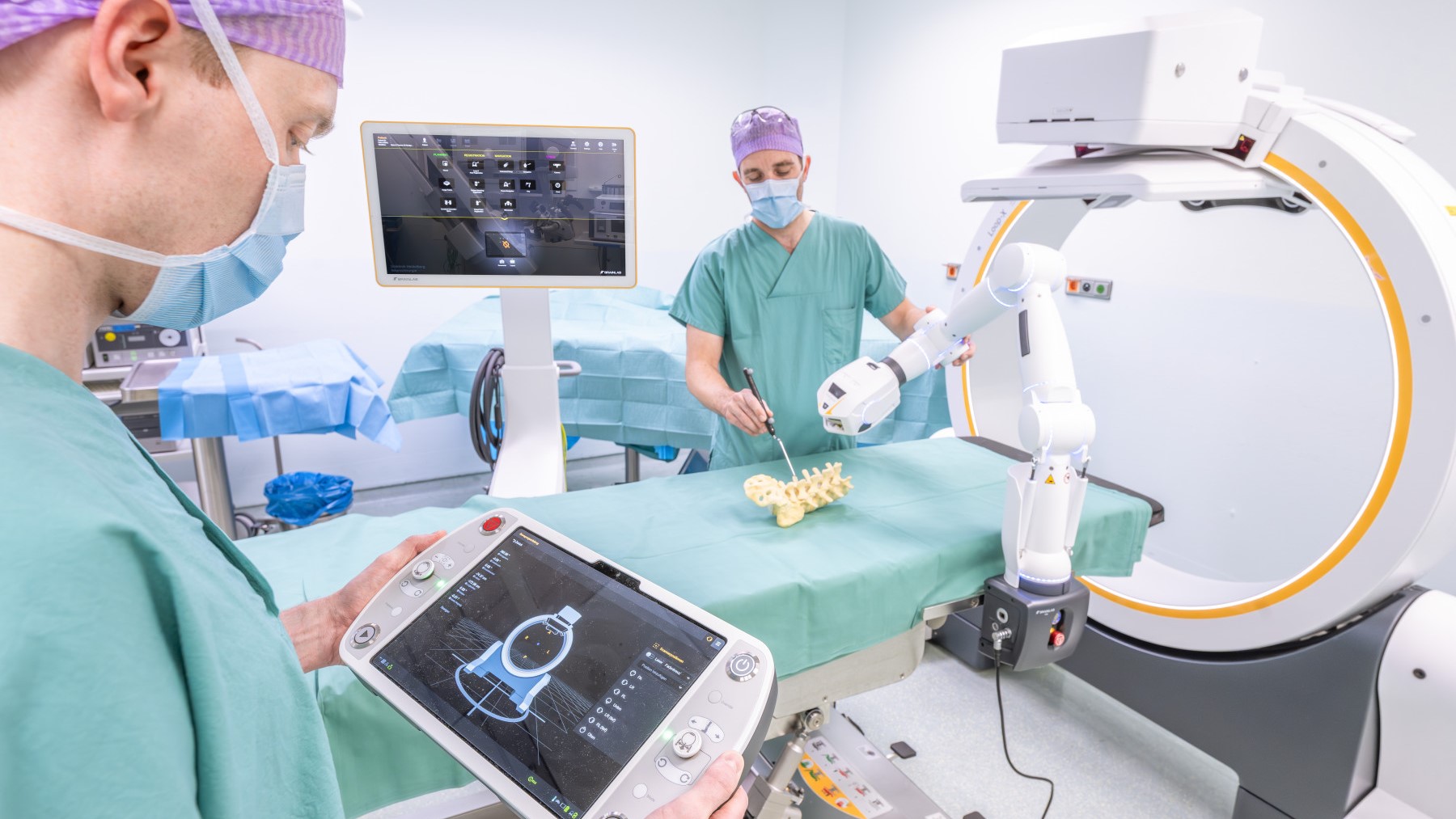
Heidelberg University has been successful in the latest approval round of the German Research Foundation (DFG) with a grant application for a major research consortium: The Collaborative Research Centre “Molecular Circuits of Heart Disease” (CRC 1550), based at the Medical Faculty Heidelberg, is entering a second funding period. It focuses on how inherited and acquired causes – for instance, genetic variations, environmental influences, stress or lifestyle – give rise to heart disease. Prof. Dr Johannes Backs, Director of the Institute for Experimental Cardiology at Heidelberg University Hospital, will continue to serve as spokesperson during the second funding phase. The DFG is funding the CRC for four years with a total of approximately 17.4 million euros.
The aim of CRC 1550 “Molecular Circuits of Heart Disease” is to decode the complex interplay of risk constellations and trigger factors of heart disease. The research is based on the assumption that every phenotype of heart disease is caused by specific molecular circuits which in some cases overlap with the circuits of other manifestations. In order to locate these overlaps and hubs in the origin of disease, the scientists combine both data from experimental model systems and patient data with findings from systems biology. Multi-omics approaches are intended to enable an integrative analysis of the varying molecular levels. In this way, the researchers discover which “switches” could serve as new targets for tailored therapies. Besides scientists from the Medical Faculty Heidelberg, the research studies also involve experts from the Medical Faculty Mannheim and the new Helmholtz Institute for Translational AngioCardioScience (HI-TAC) at Heidelberg University. Also participating are researchers from the European Molecular Biology Laboratory (EMBL), the German Cancer Research Center (DKFZ) and the University of Göttingen.
Scientists from Heidelberg University are, moreover, involved in two more Collaborative Research Centres that have now been extended. One is the Goethe University Frankfurt-based CRC 1531 “Damage Control by the Stroma-Vascular Compartment”, which is entering its second funding period. Researchers from the Medical Faculty Heidelberg are likewise participating in CRC/TRR 237 “Nucleic Acid Immunity”, which is coordinated at LMU Munich and entering its third funding period.