When partnership gets under your skin: How oxytocin and tenderness promote wound healing
Tenderness can literally get under your skin: An international research group led by Heidelberg University’s Medical Faculty and Heidelberg University Hospital has found that small skin wounds heal significantly faster in couples who are particularly affectionate with each other in everyday life and who also receive the hormone oxytocin. At the same time, they had lower stress levels. The study was published in the journal JAMA Psychiatry.
Close social relationships have long been considered beneficial to health. But how exactly do they affect the body? A research team studied 80 couples with an average age of around 28 and administered either the hormone oxytocin, known as the cuddle hormone, or a placebo via nasal spray. In addition, half of the couples were encouraged to engage in positive, appreciative conversations designed to promote the exchange of closeness and affection. In addition to researchers from the Heidelberg Medical Faculty of Heidelberg University and Heidelberg University Hospital, scientists from the University of Zurich, the University Hospital of Zurich (Switzerland), the Adolfo Ibáñez University in Santiago (Chile) and the University of Freiburg im Breisgau participated in the study.
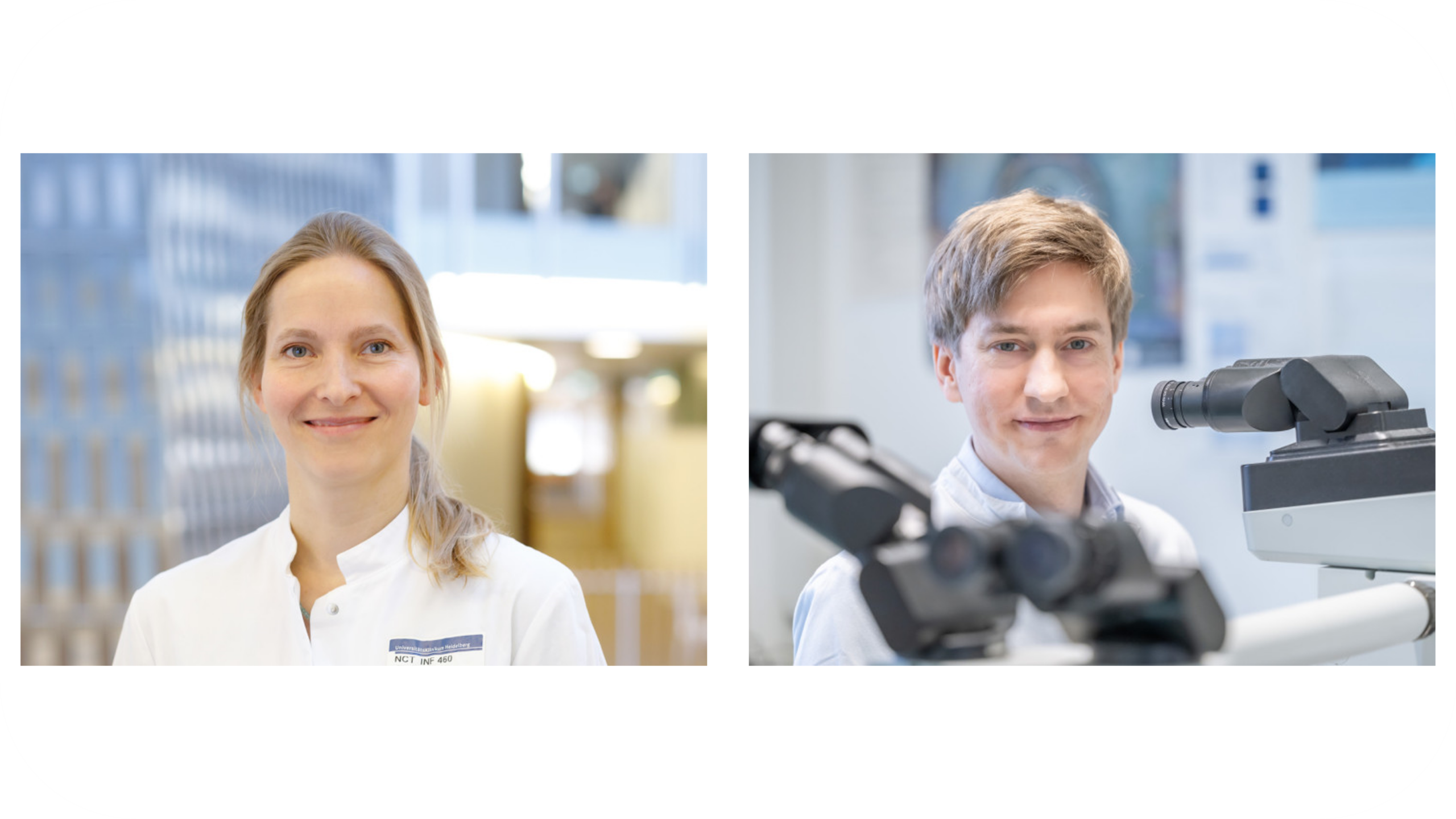
The key finding was that neither oxytocin alone nor the conversations alone had any effect on healing. Only the combination – the administration of oxytocin plus everyday affection and physical closeness – led to significantly faster wound healing and lower stress hormone levels. ‘Our results show that affection in everyday life has measurable effects on the body. In combination with oxytocin, it even accelerates the healing of small wounds. This illustrates how closely behaviour and the hormone system work together and how strongly this interaction can influence physical health in close, loving relationships,’ explains study leader Professor Beate Ditzen. Until August of this year, she was head of the Institute of Medical Psychology at Heidelberg University Hospital and also researched and taught at the Heidelberg Medical Faculty of Heidelberg University. Since September, Beate Ditzen has been chair of ‘Clinical Biopsychology and Psychotherapy’ at the University of Zurich. The data analysis and current publication were produced as part of her research work in Heidelberg. She continues to work there as deputy director of the Institute of Medical Psychology and as a lecturer at Heidelberg University.
Interplay of closeness, hormones and skin regeneration investigated
Wound healing was documented immediately, after 24 hours and after seven days in all 80 couples participating in the study (160 people) and assessed by trained personnel. During this week, both partners took either oxytocin or a placebo as a nasal spray twice a day in a double-blind design and practised positive conversations up to three times a day. To this end, they had received instructions on mutual verbal appreciation in a relationship, among other things. At the same time, the couples documented their stress levels and intimate physical closeness, such as loving touches, caresses or sexuality, over several days. Saliva samples were also analysed to determine the amount of the stress hormone cortisol.
The data clearly showed that the fastest healing and lowest stress levels occurred in couples who received oxytocin and were also particularly attentive and affectionate with each other in everyday life. Oxytocin alone or behavioural intervention through conversations alone did not influence wound healing.
The study provides the first evidence that positive social interactions such as touch and physical closeness not only feel good, but can also influence biological healing processes. At the same time, the research team emphasises that the subjects were healthy, young individuals and that the effects were moderate. Oxytocin is therefore not a remedy in its own right, but appears to act as a hormone that transfers the positive effects of closeness and good relationship experiences to the body. Further, larger studies are needed to make clear clinical recommendations.
Literature
Schneider E, Hernández C, Brock R et al. Intranasal Oxytocin and Physical Intimacy for Dermatological Wound Healing and Neuroendocrine Stress: A Randomised Clinical Trial. JAMA Psychiatry. doi: 10.1001/jamapsychiatry.2025.3705