


Network News
The next-generation platform integrates VectorBuilder’s regulatory-compliant gene delivery technology with MaxCyte’s clinically validated electroporation platform to enable robust, scalable, and reliable clinical-grade cell engineering. Chicago, IL & Rockville, MD – June 23, 2026 – VectorBuilder, a global leader in gene delivery technologies and CDMO services, and MaxCyte, a leading, cell-engineering company providing enabling platform technologies to […]
read more
LEEI-Platform eFIT is Available to Industry and Research
KyooBe Tech is making its innovative vaccine development platform available to industry and research partners:Enabling faster and scalable vaccine production using Low-Energy Electron Irradiation (LEEI). Flexible Vaccine Manufacturing for Emerging Infectious Diseases Recent infectious disease events—from hantavirus outbreaks and meningitis cases to recurring disease outbreaks in livestock farming—highlight the need for flexibly scalable vaccine manufacturing […]
read more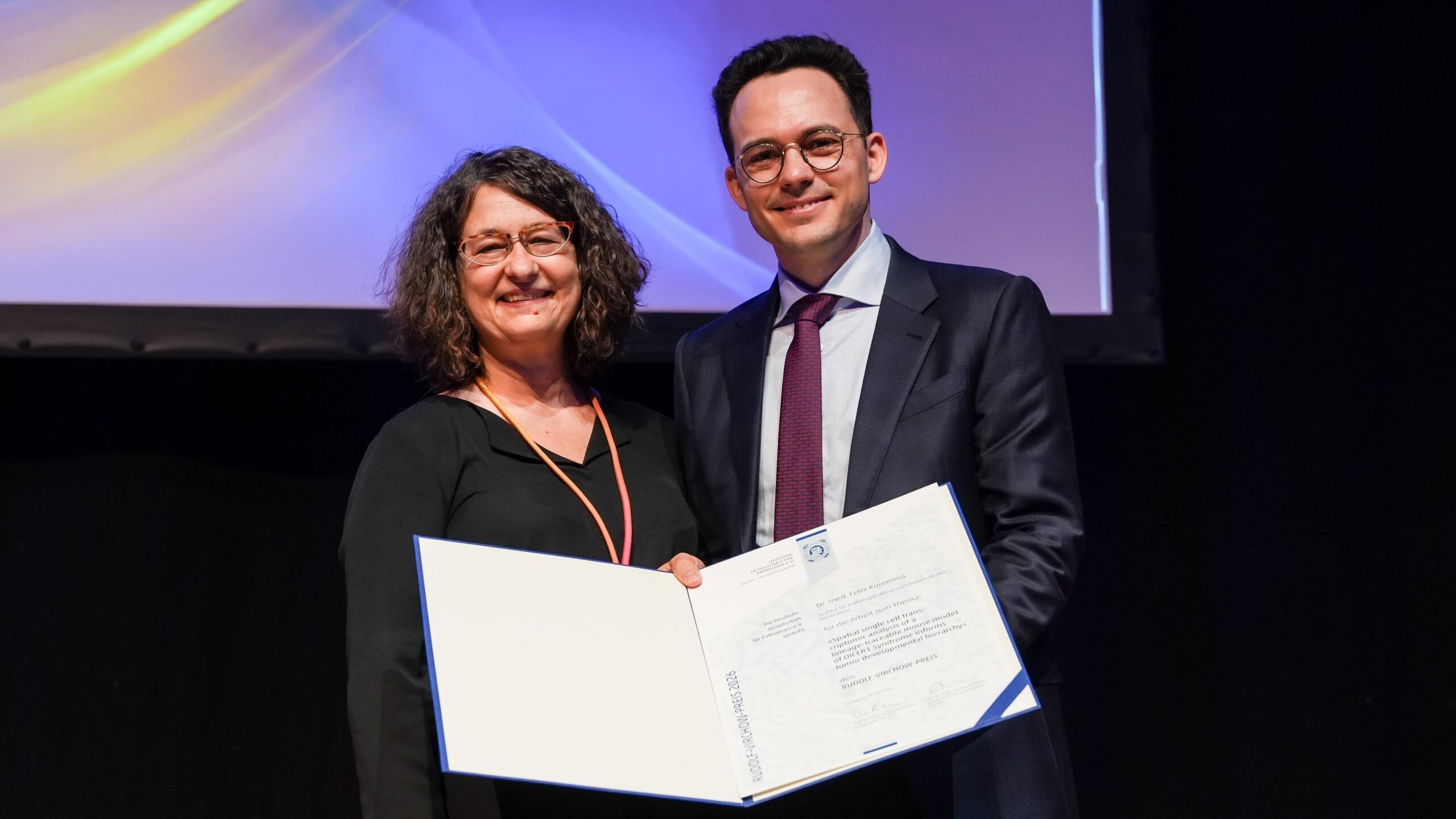
Dr. Felix Kommoss awarded the 2026 Rudolf Virchow Prize
For his research on the development of rare malignant tumors in the hereditary DICER1 tumor predisposition syndrome, Dr. Felix Kommoss has been awarded the Rudolf Virchow Prize of the German Society of Pathology (Deutsche Gesellschaft für Pathologie, DGP) – the most prestigious research award in the field of pathology in Germany. Dr. Kommoss conducts research […]
read more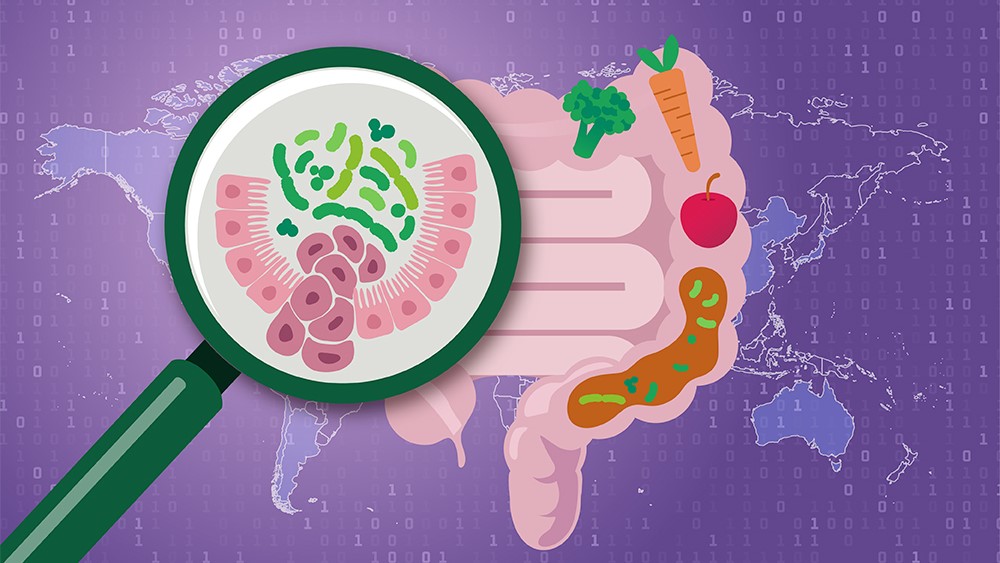
Large-scale microbiome study identifies robust colorectal cancer signature
Researchers from EMBL, LUMC, and collaborators reanalysed nearly 6,800 gut microbiome profiles, revealing a consistent microbial signature of colorectal cancer Summary Researchers have long suspected that the gut microbiome – the community of bacteria and other microorganisms living in the intestine – is closely linked to colorectal cancer. In a new study published in Cell Host […]
read more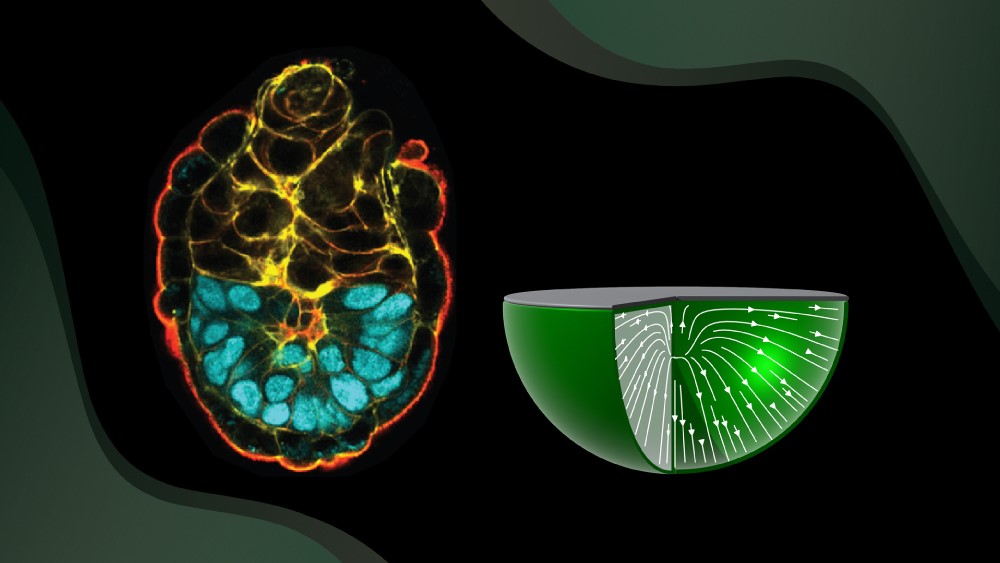
Cells, boundaries, and the emergence of biological order
Scientists have shown how the edges of biological tissues create geometric constraints that help cells position themselves in a magnet-like manner, giving rise to structure and order inside developing embryos Summary One of the most striking biological transitions in nature happens early in development, when an embryo transforms from a simple ball of cells into […]
read more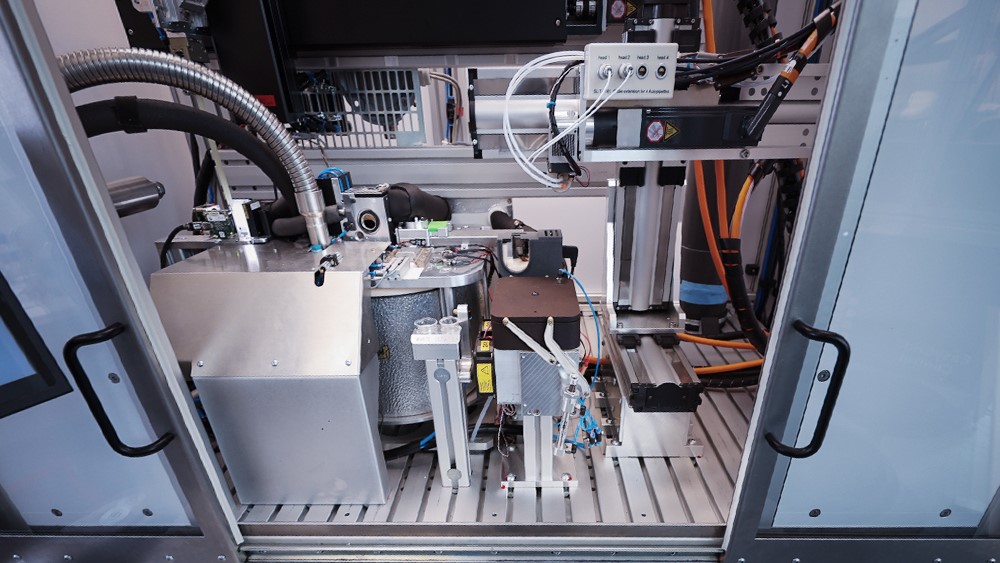
EasyGrid: towards better automation in cryo-electron microscopy
EMBL Grenoble researchers have developed unique instruments automating sample preparation and quality control for cryo-electron microscopy Summary Cryo-electron microscopy (cryo-EM) can help scientists determine the three-dimensional structure of proteins in unprecedented detail. Jacques Dubochet, former Group Leader at EMBL, shared the 2017 Nobel Prize in Chemistry with Joachim Frank and Richard Henderson for the development […]
read more
Alcedis – a Huma company, and Samsung Announce Partnership to Advance Biomarker Development and Clinical Endpoints from Early-Phase Research to Real-World Evidence
Exclusive access to Samsung’s research platform enables protocol-aligned biosensor data capture, raw signal access, and end-to-end study execution, setting a new standard for wearable-based clinical evidence generation. Frankfurt, Germany, Jun. 24, 2026 — Samsung Electronics Co., Ltd., and Alcedis, a Huma company, the leading digital first CRO, announced at the 9th Annual Digital Biomarkers in Clinical […]
read more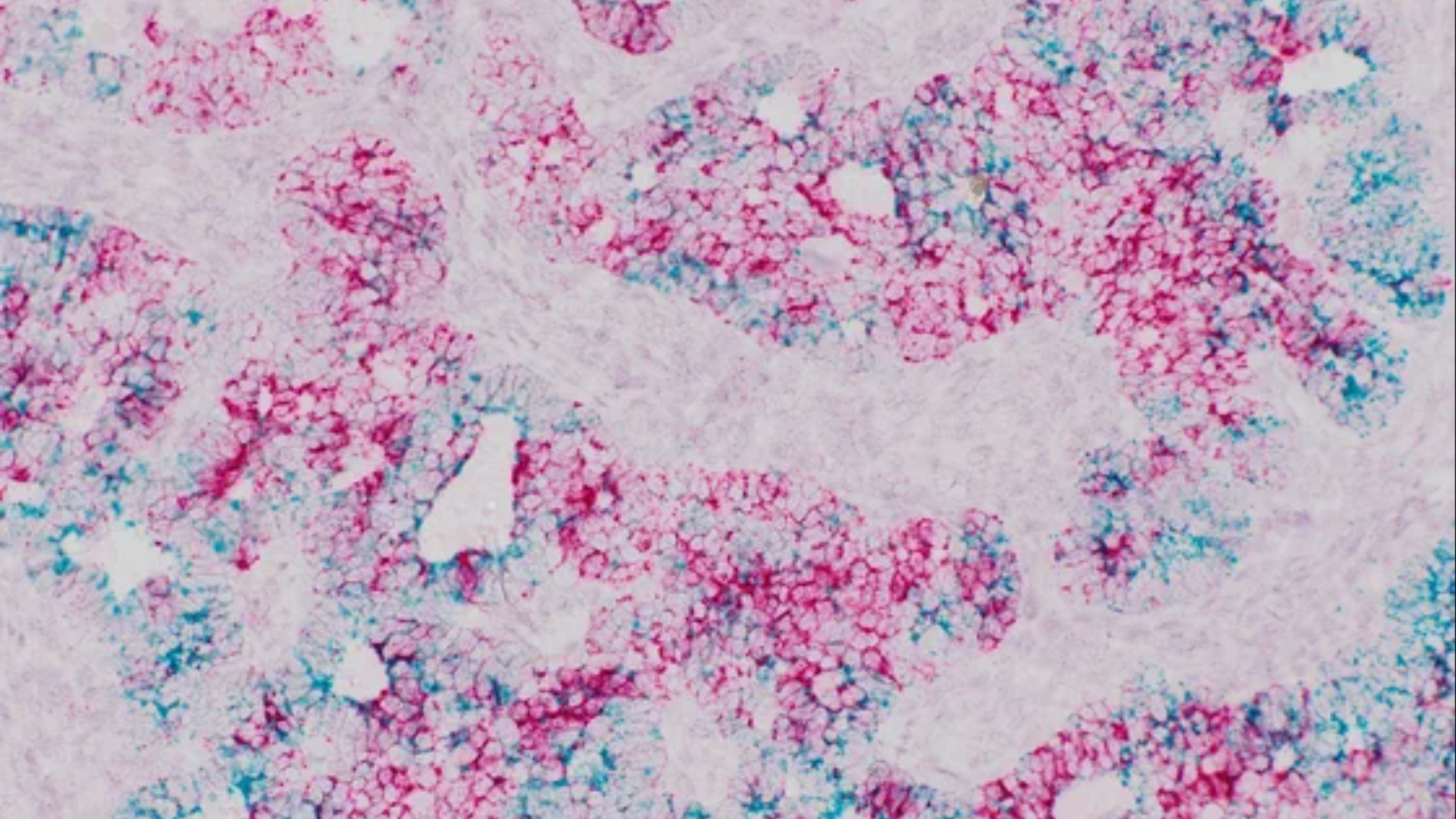
Newly Discovered Marker for Metastatic Colorectal Cancer Is the Achilles’ Heel of Highly Aggressive Tumor Cells
A team led by researchers from the German Cancer Research Center (DKFZ) and the HI-STEM* Stem Cell Institute has discovered a promising new approach to treating advanced colorectal cancer. The study, published in Nature, identifies a key marker of particularly aggressive and treatment-resistant colorectal cancer cells. At the same time, the researchers demonstrate using mini-tumors […]
read more
How Tumors Evade Immunotherapy – and How to Prevent It
Researchers at the German Cancer Research Center (DKFZ) have identified a previously unknown key mechanism by which cancer cells suppress the immune system and thus evade the effects of immunotherapies. At the same time, the new study in mouse models and human tumor samples points to a promising way to prevent resistance to immunotherapy. In […]
read more