HI-TAC: Karina Yaniv Appointed as New Scientific Director
Helmholtz Institute for Translational AngioCardioScience brings together expertise in cardiac, vascular and systems biology
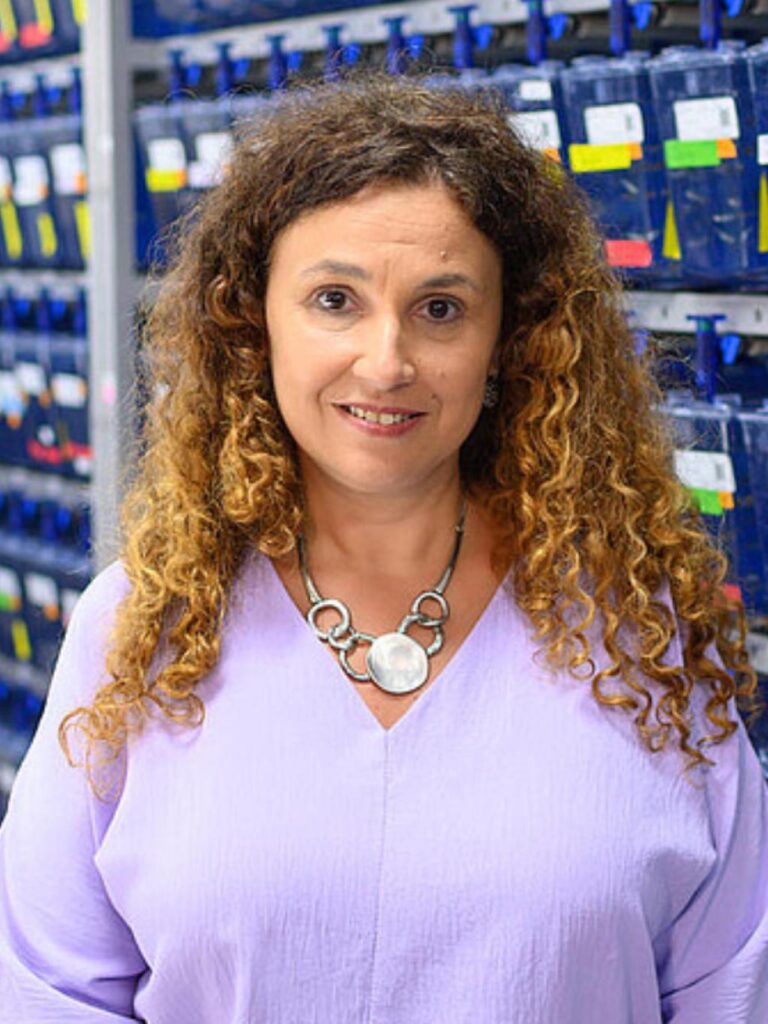
Prof. Dr Karina Yaniv of the Weizmann Institute of Science has been appointed as new Scientific Director of the Helmholtz Institute for Translational AngioCardioScience in Mannheim/Heidelberg (HI-TAC), the Max Delbrück Center in Berlin and Heidelberg University announced in cooperation with the research institute in Rehovot (Israel). Prof. Yaniv brings internationally recognized expertise in vascular biology and translational cardiovascular research to HI-TAC.
The Helmholtz Institute for Translational AngioCardioScience was founded in 2023 by the Max Delbrück Center and the Medical Faculties Heidelberg and Mannheim of Heidelberg University to bring together expertise in cardiac, vascular and systems biology. At HI-TAC, research is to be carried out into communication within the cardiovascular system and at the interfaces to the nervous system, immune system and metabolism. It focuses on how these findings can be used to help our organs remain healthy throughout our lives and enable us to age healthily. The institute is an external branch of the Max Delbrück Center located at the Heidelberg University campus in Mannheim and Heidelberg.
“I am thrilled to be joining HI-TAC at such an exciting stage in its development. The institute offers a unique opportunity to connect fundamental discovery in vascular biology with translational research”, says Prof. Yaniv. She is looking forward, she added, to helping build “a vibrant scientific community that can drive new ideas toward clinical impact”. The researchers at the Helmholtz Institute for Translational AngioCardioScience are working on a new scientific program centered on communication biology, Prof. Dr Sergij Goerdt, Dean of the Medical Faculty Mannheim, explains. The aim is to understand cardiovascular functions on a systemic level during homeostasis, aging and pathological conditions.
As part of the HI-TAC directorate, which will comprise two directors in future, Karin Yaniv represents the area of Systemic AngioCardioScience. She is a Professor at the Medical Faculty Mannheim of Heidelberg University and also holds an appointment as Professor of Vascular and Lymphatic Biology at the Weizmann Institute. In her lab, Prof. Yaniv combines genetic, molecular and imaging approaches to uncover how vascular systems develop, adapt and interact with their surroundings. In doing so, she wants to find out how dysfunction can cause disease, particularly cardiovascular disorders and rare vascular malformations. The scientist obtained her doctorate in developmental biology from the Hadassah-Hebrew University Medical School and conducted postdoctoral research at the National Institutes of Health in the United States, before joining the Weizmann Institute in 2009. She is President of the European Vascular Biology Organization (EVBO) and was awarded an ERC Synergy Grant of the European Research Council (ERC) in 2024.
“With HI‑TAC, Heidelberg University is strengthening its commitment to internationally leading, translational cardiovascular research by bringing together angioscience and cardioscience in a unique systemic approach,” emphasizes Prof. Dr Michael Boutros, Dean of the Medical Faculty Heidelberg of Heidelberg University. “Karina Yariv brings a rare combination of deep biological insight and a clear drive to translate it into impact,” says Prof. Dr Maike Sander, Scientific Director of the Max Delbrück Center. “Her leadership will help us turn discovery into new strategies to prevent and treat cardiovascular disease.” Shortly, the center and the university will appoint another academic who will share the leadership with Prof. Yaniv. She assumed her position as the institute’s Scientific Director on 15 April 2026.