


Research
New findings show the wide-ranging involvement of the brain when you feel sick Summary We are all familiar with that dreaded sensation: a whole-body achiness and fatigue, waves of both bone-chilling cold and acute sweating that cause one to pull cosy blankets closer and only moments later kick them away. A loss of appetite turns […]
read more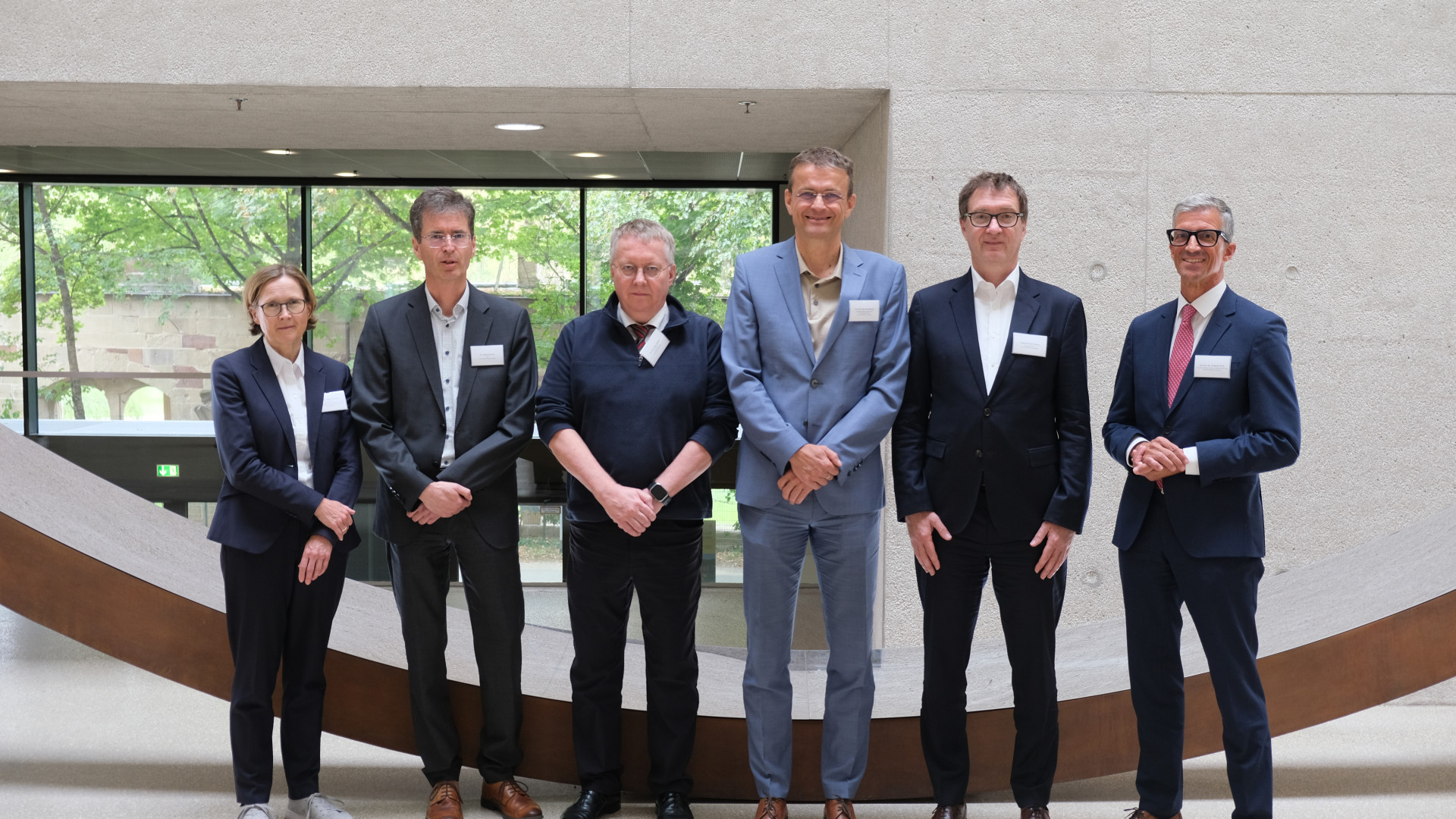
Heidelberg University Hospital is a founding member of MEDI:CUS
MEDI:CUS is creating a shared digital infrastructure for the healthcare sector in Baden-Württemberg. As a founding member of MEDI:CUS e. V., Heidelberg University Hospital is actively contributing to its further development. Stephan Schulz-Gohritz, Chief Financial Officer of the Heidelberg and Mannheim University Hospitals Consortium, serves on the executive board of the newly founded association. Full […]
read more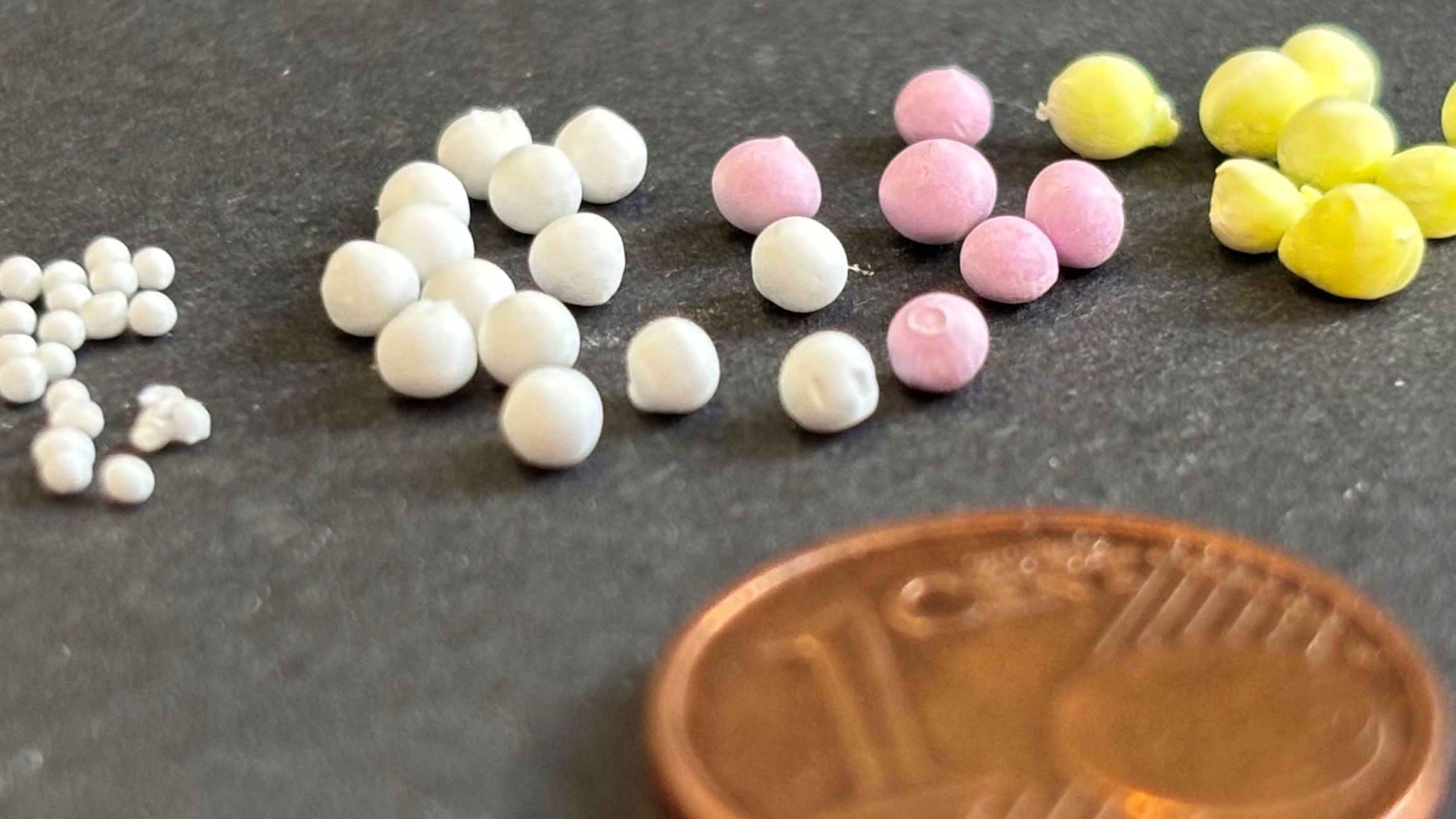
Enzymes in small beads for a more sustainable chemistry
KIT Researchers Develop Customized Enzyme Beads for Flexible Industrial Biocatalysis Thanks to biocatalysis using enzymes, an enormous range of active pharmaceutical ingredients and other complex molecules can now be synthesized in an environmentally friendly manner. Researchers at the Karlsruhe Institute of Technology (KIT) have now developed a technology that allows enzymes to be assembled into […]
read more
Universität Heidelberg with Top Placings in latest Shanghai Subject Ranking
Clinical medicine in position 17 internationally, medical technology ranked 21 – three subjects take top place in Germany With clinical medicine and medical technology Heidelberg University is again among the best players in Medical Sciences worldwide. In the Global Ranking of Academic Subjects 2026 clinical medicine rose by one place over last year to rank […]
read more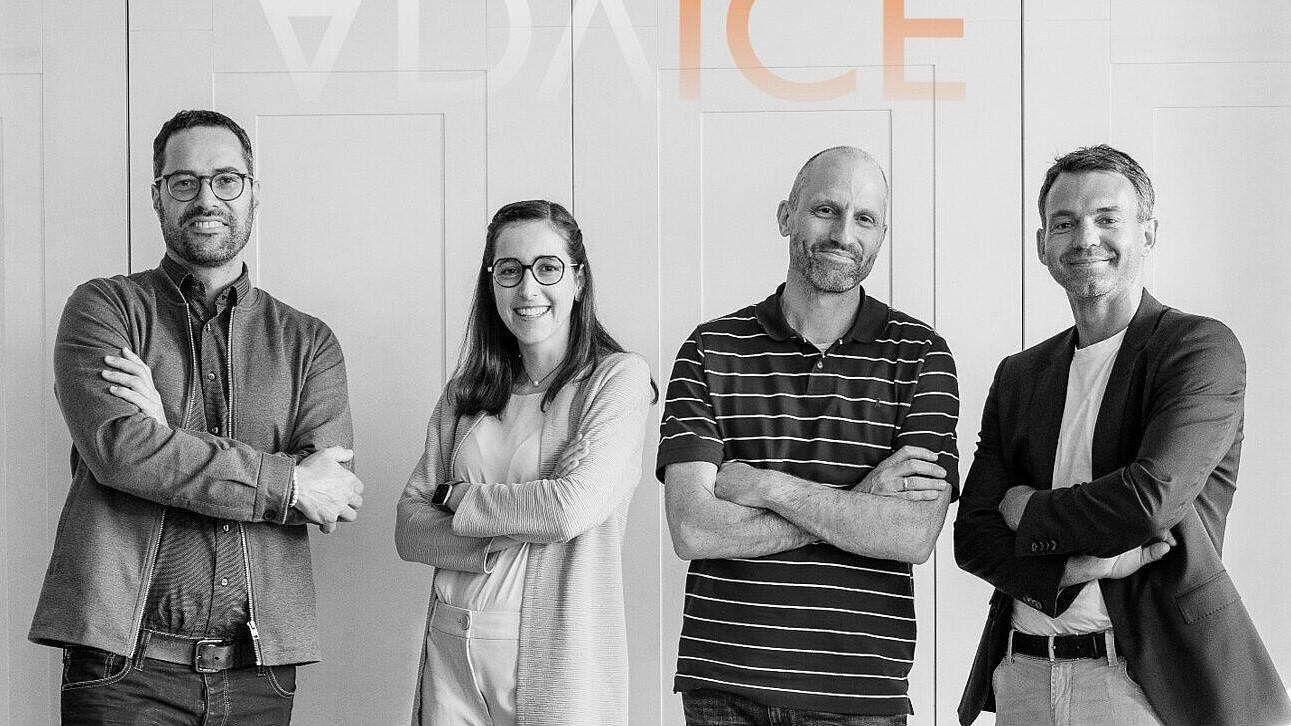
Funding Paves the Way for the Startup immuneAdvice to Move into Clinical Studies
Press Release from immuneAdvice GmbH, September 22, 2026 A new chapter is beginning for immuneAdvice: The biotechnology company has received seed funding from Marathon Beteiligungs AG, supported by the InnoGrowth BW investment program, as well as from Terra Nostra Corporate GmbH. With these additional funds, immuneAdvice is laying the groundwork to turn an ambitious goal […]
read more
A local barrier against respiratory viruses – NMI participates in new project with Fraunhofer IGB
News of Fraunhofer IGB, September 18 2026 How can a respiratory virus be stopped before it spreads throughout the body? In the MucoShield project, Prime Vector Technologies, the NMI Tübingen, and Fraunhofer IGB are developing an intranasal vaccine candidate against human metapneumovirus (HMPV), which causes hundreds of thousands of cases of severe respiratory disease worldwide […]
read more
Possible new way to protect the heart during certain chemotherapy treatments
Researchers at the Heidelberg Faculty of Medicine at Heidelberg University have deciphered the molecular mechanism by which the widely used chemotherapy drug doxorubicin can damage the heart. In preclinical studies, another approved cancer drug provided protection. The findings have been published in Nature Communications. The chemotherapy agent doxorubicin is used successfully to treat a range […]
read more
Heidelberg Medical Students Remain at the Very Top in Germany
In the first phase of the medical exams, students at Heidelberg University’s Faculty of Medicine once again achieved excellent results: In the so-called “Physikum,” the state exam in medical theory, they ranked first in Germany—for the fifth consecutive year. Full Text in German below. Heidelberger Medizin-Studierende weiter absolute Spitze in Deutschland Im ersten Abschnitt der […]
read more
Heisenberg Professorship for Aurélie Ernst
With funding from the German Research Foundation’s (DFG) Heisenberg Program, DKFZ researcher Aurélie Ernst aims to investigate how massive changes in the genome contribute to the development of cancer. Her research focuses on a phenomenon known as chromothripsis – a catastrophic event in the genome in which chromosomes break apart and are reassembled incorrectly. In […]
read more