Can Protein Building Blocks Protect Against Vascular and Kidney Damage?
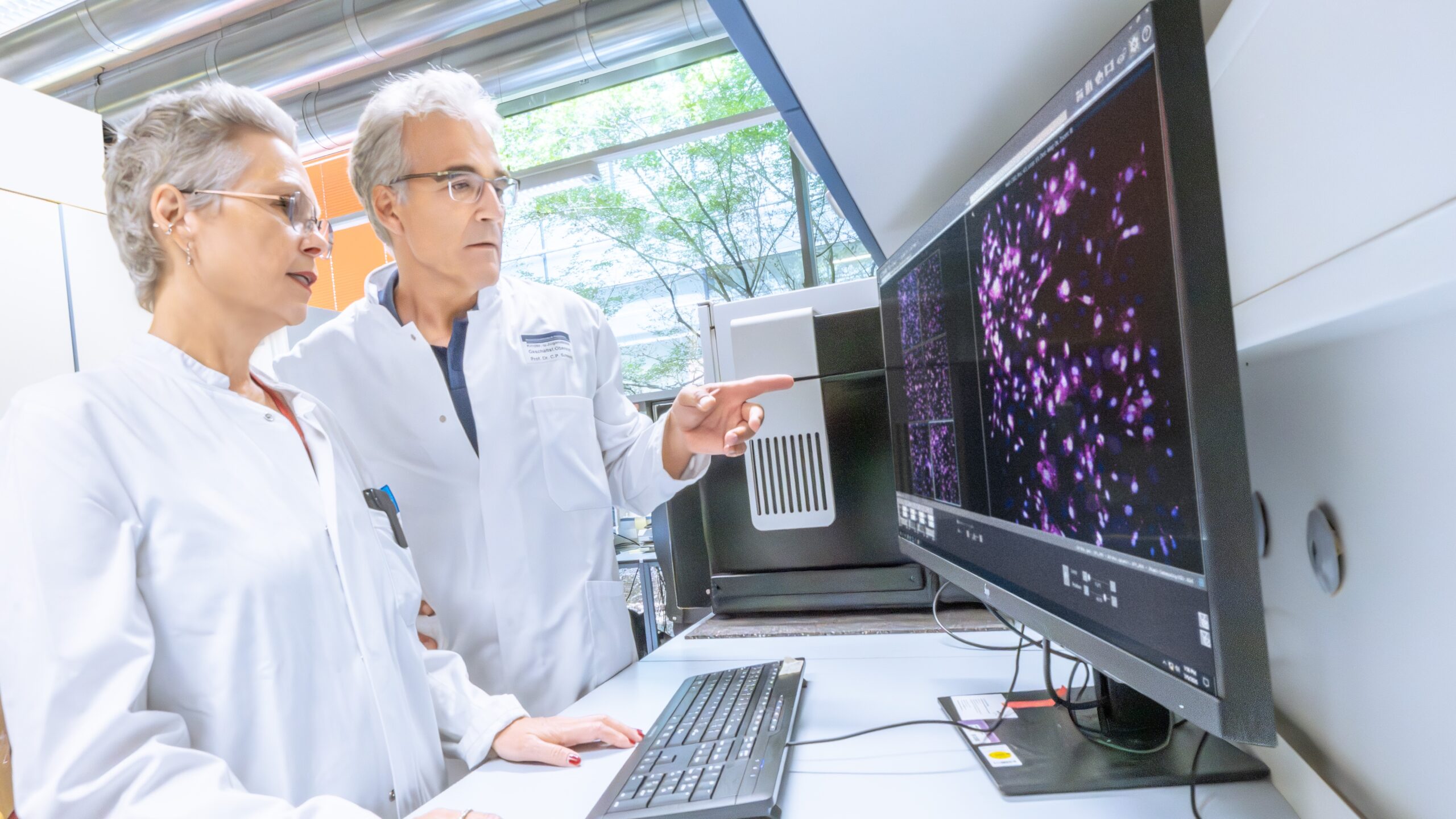
Researchers from the Medical Faculty Heidelberg, the Medical Faculty Mannheim, and the Centre for Organismal Studies (COS) at Heidelberg University have launched a new research project investigating so-called dipeptides. Some of these naturally occurring protein building blocks are able to neutralize toxic metabolic by-products and may therefore help protect against vascular and kidney damage, particularly in diabetes mellitus. The consortium aims to determine which dipeptides have the strongest protective effects and how they could be harnessed in future therapies for vascular and kidney diseases. The German Research Foundation (DFG) is funding the project with approximately €600,000 over three years.
Reactive metabolic by-products can cause severe damage to blood vessels, nerves, and the delicate structures of the kidneys when they accumulate in excessive amounts, as is the case in diabetes mellitus. Over the next three years, a research consortium comprising the Medical Faculty Heidelberg and the Medical Faculty Mannheim of Heidelberg University, together with the Metabolomics Core Technology Platform (MCTP), part of the Centre for Organismal Studies (COS) at Heidelberg University, will investigate the body’s natural protective mechanisms against such damage.
At the heart of the project, entitled “Therapeutic Potential of Dipeptides in Diabetic Vasculopathy and Nephropathy (PoDiVaN)”, are small protein-derived molecules that counteract harmful metabolic products. Using a broad range of methods, the researchers aim to uncover the underlying mechanisms, identify the most effective dipeptides involved, and explore whether these findings can be translated into future therapeutic and preventive approaches. The German Research Foundation (DFG) is funding the project with approximately €600,000.
Common Diseases Share a Common Cause
Diabetes mellitus, chronic kidney disease, and vascular diseases are among the most prevalent non-communicable diseases due to their high and growing incidence. Although these are distinct conditions, they share a common molecular factor: reactive metabolic by-products. These compounds are produced in increased amounts in response to elevated blood glucose levels or unhealthy dietary patterns and can damage cells and tissues. Certain breakdown products of sugar metabolism, for example, bind to proteins in the body and impair their normal function.
This is where dipeptides come into play. Dipeptides consist of two amino acids, the fundamental building blocks of proteins. Previous work by the project teams, including studies conducted within the Collaborative Research Centre “Reactive Metabolites as a Cause of Diabetic Complications” (CRC 1118) and through an ExploreTech Grant from the Health + Life Science Alliance Heidelberg Mannheim, revealed pronounced biological effects for several dipeptides.
“We have shown that the concentrations of specific dipeptides change in diabetic disease and that some of them may provide indications of how diabetic kidney damage will progress. Most importantly, certain dipeptides can protect against the harmful effects of reactive metabolic by-products when administered at pharmacological doses,” says Professor Verena Peters, who leads the project together with Professor Claus Schmitt at the Center for Child and Adolescent Medicine at Heidelberg University Hospital. “The new funding allows us to build directly on these findings.”
Protecting Proteins from Harmful Sugar-Derived Modifications
“The course of diabetic complications varies considerably from one patient to another, and the reasons for these differences are still poorly understood,” says Professor Schmitt. “In mice with diabetic kidney disease, we identified dipeptide patterns associated with more rapid disease progression. We are now seeking to clarify the underlying mechanisms and determine how the protective effects of certain dipeptides can be exploited therapeutically.”
Some of these molecules prevent sugar degradation products from binding to proteins. In doing so, they may help protect vulnerable structures such as blood vessels, nerves, and kidneys, which are frequently affected in people with diabetes, from long-term damage.
The newly funded PoDiVaN project combines basic and clinical research. The scientists will investigate the effects of dipeptides in cell cultures as well as in model organisms, including mice and zebrafish. In addition, they will analyze well-characterized samples from patients with diabetes enrolled in the patient registry of the Department of Endocrinology, Diabetology, Metabolic Diseases and Clinical Chemistry at Heidelberg University Hospital (Medical Director: Professor Julia Szendrödi).
Under the leadership of Dr. Gernot Poschet, Managing Director of the MCTP, which is part of the CellNetworks Core Technology Platform (CCTP), the umbrella organization for life science core facilities at Heidelberg University, the researchers will employ state-of-the-art mass spectrometry-based analytics. This technology will, for the first time, enable the simultaneous detection of several hundred different dipeptides within patient samples.
This approach will allow the team to identify dipeptide patterns associated either with protection from, or progression of, kidney and vascular disease. Once the biological functions of protective dipeptides have been characterized in human kidney and vascular cells, therapeutic strategies will be developed and evaluated in experimental intervention studies in diabetic mice and, in the laboratory of Professor Jens Kroll at the Division of Vascular Biology and Tumor Angiogenesis, Medical Faculty Mannheim, also in zebrafish.
“Dipeptides have received little attention so far, yet they may play an important role in slowing harmful metabolic processes and strengthening the body’s natural protective mechanisms,” says Professor Schmitt, Acting Medical Director of the Department of General Pediatrics, Pediatric Nephrology, Gastroenterology, Rheumatology and Transplantation Medicine at Heidelberg University Hospital. The researchers aim to pave the way for new therapeutic approaches that can be applied across different diseases to reduce or prevent damage caused by reactive metabolic by-products.
Further Information Online
CellNetworks Core Technology Platform (CCTP), Heidelberg University
Center for Child and Adolescent Medicine, Heidelberg University Hospital (in German)
Contact
Professor Claus P. Schmitt
Heidelberg Faculty of Medicine at Heidelberg University
Acting Medical Director, Department of General Pediatrics, Pediatric Nephrology, Gastroenterology, Rheumatology and Transplantation Medicine, Heidelberg University Hospital
clauspeter.schmitt@med.uni-heidelberg.de