


Network News
Sanofi’s venglustat earns Breakthrough Therapy designation in the US for type 3 Gaucher disease Paris, March 18, 2026. The US Food and Drug Administration (FDA) has granted Breakthrough Therapy designation to venglustat, a novel, investigational oral glucosylceramide synthase inhibitor (GCSi), for the treatment of neurological manifestations of type 3 Gaucher disease (GD3), a rare lysosomal storage disorder. The designation is based on […]
read more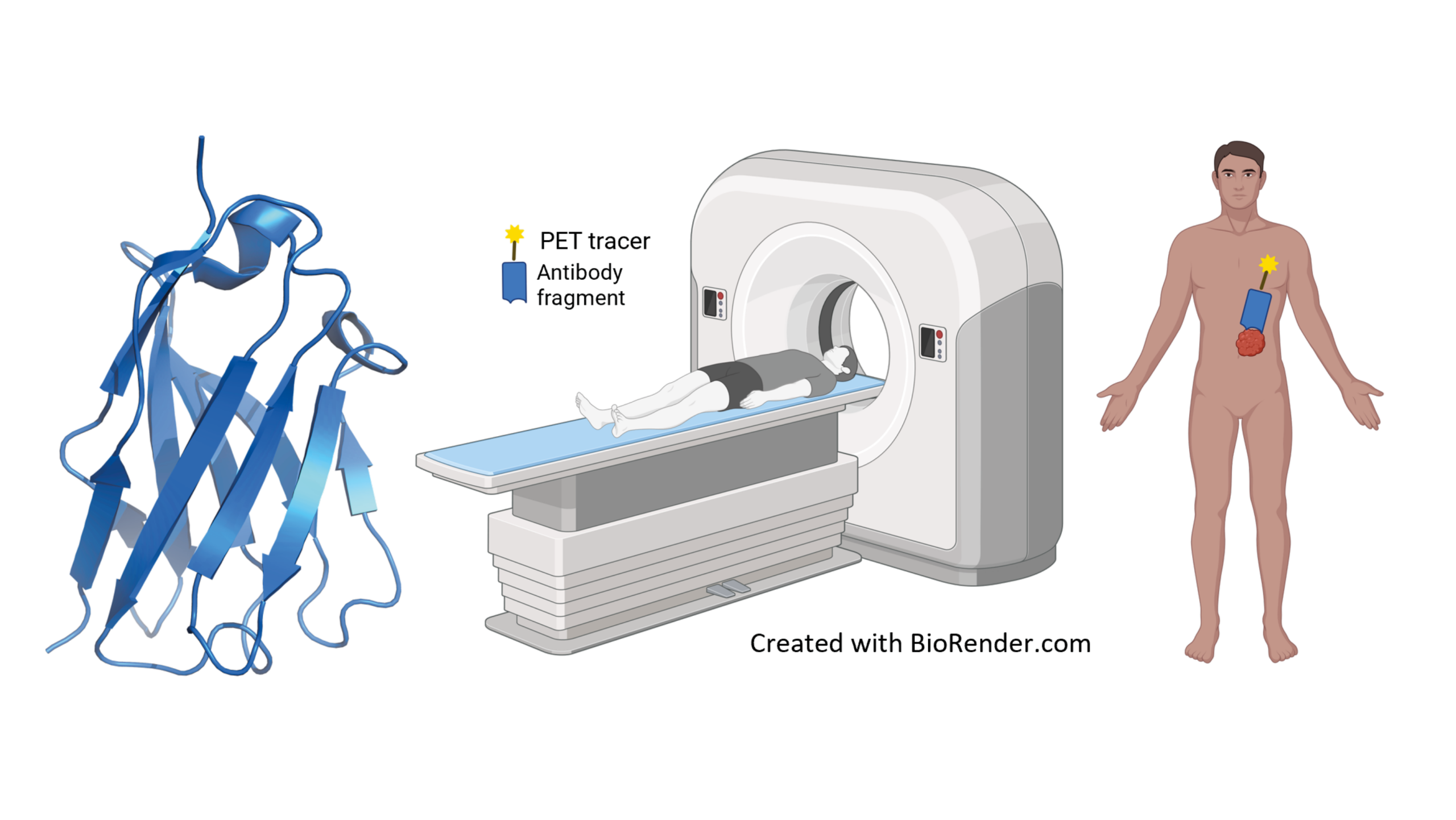
Drug development: New NMI framework reduces risk of costly failure
How can the risk of failure in the development of drug compounds be reduced? In a recent paper, researchers at the NMI present a newly developed framework that makes the development of drug compounds from so-called single-domain antibodies (sdAb) safer and more reliable. Until now, drug development has generally proceeded as follows: one starts with […]
read more
Heidelberg Pharma to Receive Milestone Payment from Partner Huadong for Clinical Study with HDP-101 in China
Ladenburg, Germany, 18 March 2026 – Heidelberg Pharma AG (FSE: HPHA), a clinical-stage biotech company developing innovative Antibody Drug Conjugates (ADCs), today announced that its partner Huadong Medicine Co., Ltd., Hangzhou, China, (SZ 000963; Huadong) has reached a development milestone under the terms of the license agreement from February 2022. With the dosing of the first patient […]
read more
Stefan Pfister honored with Thomas and Doris Ammann Prize
The University Children’s Hospital Zurich and the Thomas and Doris Ammann Foundation have awarded the Thomas and Doris Ammann Prize to Stefan Pfister, Director of the Hopp Children’s Cancer Center Heidelberg (KiTZ), Head of Department at the German Cancer Research Center (DKFZ), professor at the Heidelberg Medical Faculty of Heidelberg University, and pediatric oncologist at […]
read more
GENESIS 26 – The LIFE SCIENCE TECH DAY: “The Future Starts Now”
Heidelberg, March 13, 2026 – Thursday, March 12, 2026, the boundaries of what is scientifically feasible and technically possible in cancer research were pushed further into the future: The approximately 130 participants at the GENESIS 26 – The LIFE SCIENCE TECH DAY forum hosted by InnovationLab GmbH did not merely content themselves with the scientific […]
read more
Introducing our New Members – Q1 2026
We are pleased to introduce these new members and highlight the diverse capabilities they bring to our cluster! Looking forward to your active participation! Bioneer A/Shttps://bioneer.dk/Bioneer is an R&D-driven CRO and CDMO and a Danish government-approved RTO with 40 years of experience. The company supports biotech and pharma partners in drug discovery, early development, and […]
read more
Prof. Gudrun Rappold receives medal of honor from the German Society for Human Genetics
Prof. Dr. Gudrun Rappold, senior professor at Heidelberg University’s Medical Faculty, has been awarded the Medal of Honor by the German Society for Human Genetics. The Medal of Honor is the highest award given by the professional association and recognizes outstanding scientific achievements in human genetics as well as special contributions to the advancement of […]
read more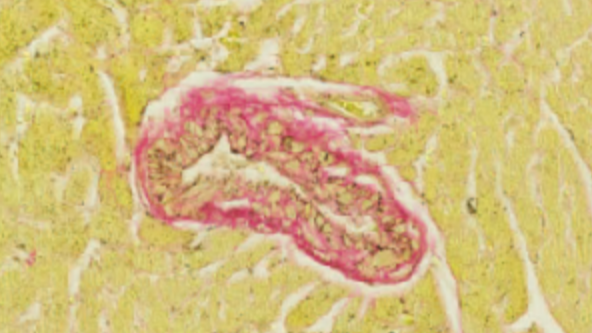
How cancer immunotherapies affect the heart
The Hector Foundation is providing €1.3 million in funding for an interdisciplinary research project investigating the cardiological side effects of checkpoint inhibitors. The consortium, with partners at Heidelberg University’s Medical Faculty, the German Cancer Research Center, the Max Delbrück Center in Berlin, and the University Medical Center Schleswig-Holstein in Kiel, is investigating why these cancer […]
read more
Early detection contributes to declining breast cancer mortality rates in Europe
The introduction of mammography screening programs in Europe has significantly changed breast cancer diagnoses, accompanied by a decline in breast cancer mortality rates. This is shown by one of the most comprehensive analyses of population-based data on breast cancer in 21 European countries to date, led by the German Cancer Research Center (DKFZ). The most […]
read more