TUM Researchers receive two ERC Grants
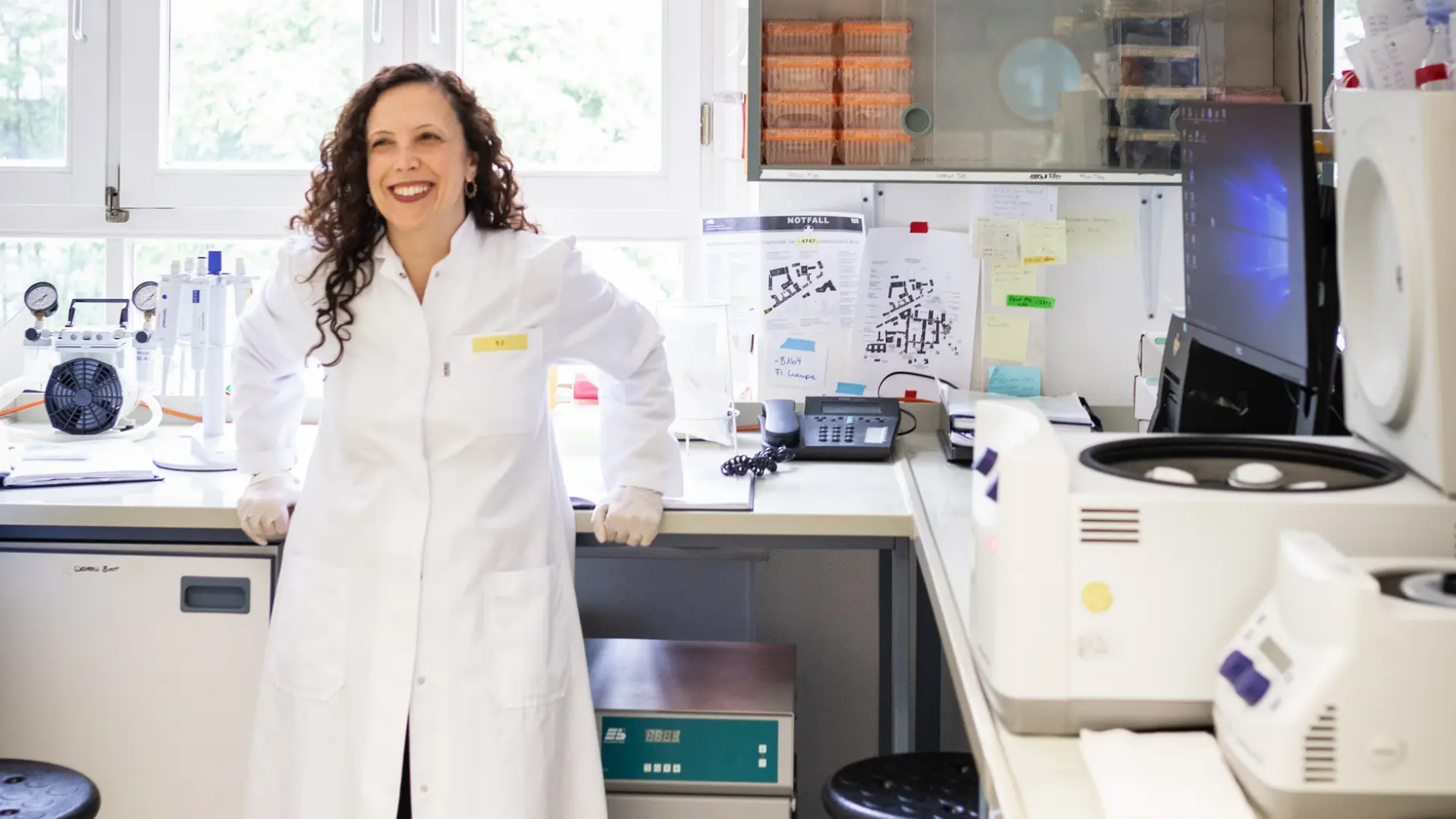
The European Research Council’s (ERC) Proof of Concept Grants are designed to help researchers turn their findings into real‑world innovations. Two ERC‑funded follow‑up projects at TUM will each receive approximately 150,000 euros in support. The projects focus on virus‑driven cancer treatments and new ways to supply electrons for enzyme‑based technologies.
Researchers at TUM have secured a total of 263 ERC grants to date. These are awarded each year in different categories. ERC Proof of Concept Grants support researchers in exploring whether their ERC‑funded work can be developed into viable commercial applications.
PD Dr. Jennifer Altomonte
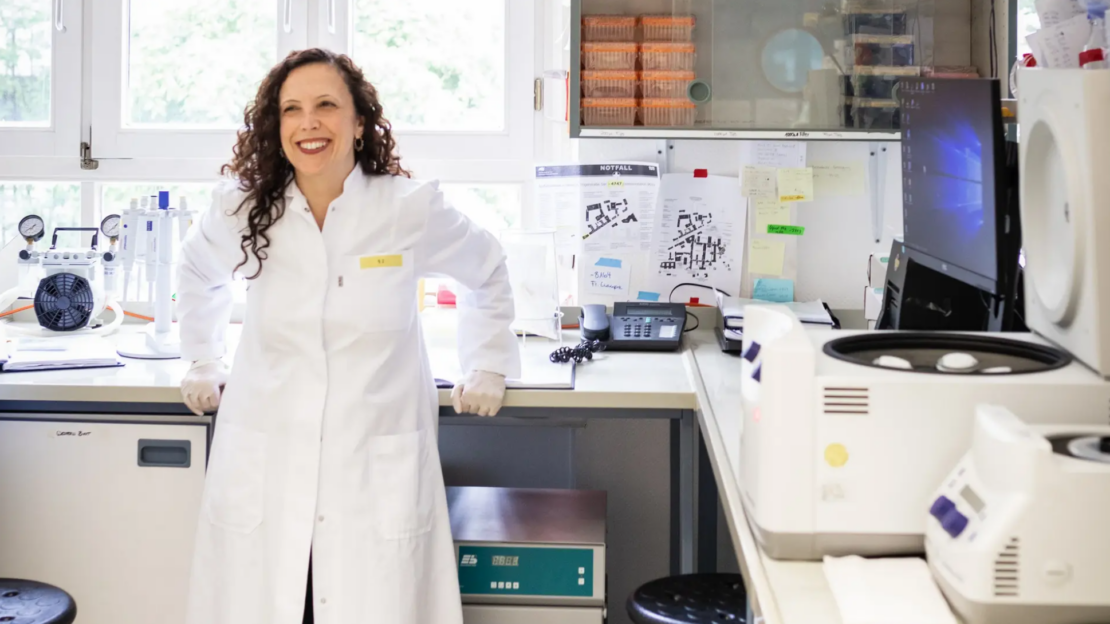
Great progress has been made in cancer immunotherapies over recent years. However, while there are numerous promising options for blood and lymphatic cancers, solid tumors have proven to be much more challenging to treat with currently available approaches. In the CHECKVIR project, Jennifer Altomonte will develop a new oncolytic virus-based immunotherapy for the treatment of solid tumors. These specifically engineered viruses are designed to infect cancer cells while sparing healthy tissue. In addition, the approach aims to disable a sophisticated defense mechanism used by tumors: tumor cells can send signals that flip a „stop switch“ in the immune system—known as immune checkpoints. The new therapy blocks these signals, allowing immune cells to once again attack the cancer effectively. CHECKVIR builds on the ERC Starting Grant project ONCO‑VAX. Early proof‑of‑concept studies are planned to identify the most optimized therapeutic virus candidate for clinical testing and to develop a clear roadmap toward clinical application and market introduction.
PD Dr. Jennifer Altomonte leads a research group at the Department of Medicine II at TUM University Hospital. Her research on tumor‑targeted viruses has already been supported by an ERC Starting Grant and a Proof of Concept Grant.
Prof. Dr. Nicolas Plumeré
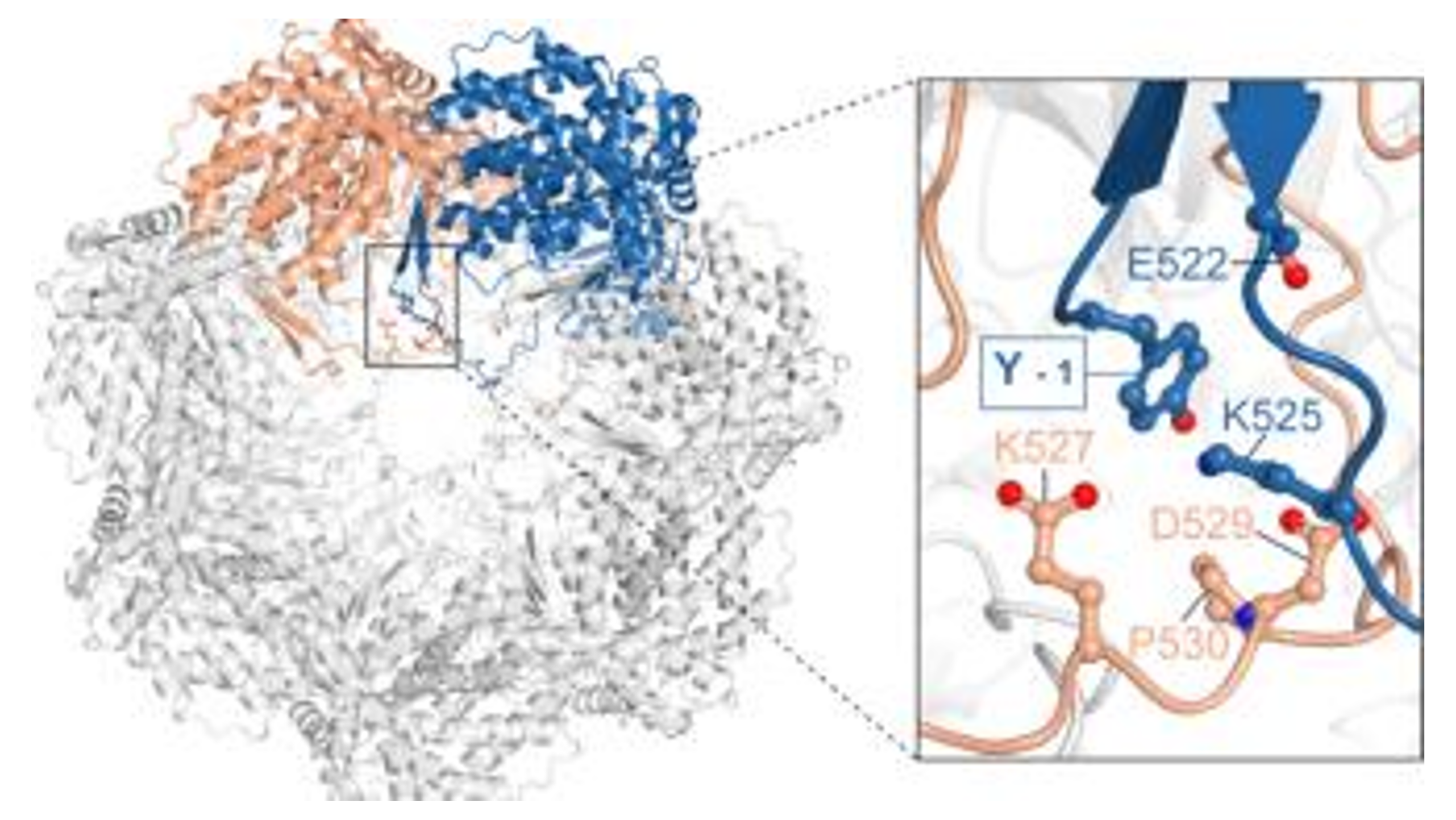
Enzymes are among the most important tools in modern biotechnology: they help produce medications, flavors, and nutritional supplements. But many of these enzyme‑based processes come with a challenge, because they need electrons in order to function. Until now, additional substances have been added solely to supply these electrons. These substrates are expensive, create unwanted by‑products, and complicate the workflows. This is exactly where Nicolas Plumeré and his team come in with HYDRObead. The researchers have developed tiny beads that contain a highly sensitive enzyme called FeFe hydrogenase. This enzyme can convert green hydrogen into electrons without leaving any residues, providing the electron supply that the processes require — without the need for any additional substances. Unwanted by-products and extra processing steps are eliminated. As a result, these processes become more sustainable, more efficient, and easier to manage. The team now aims to further scale up the technology and test it under real‑world conditions together with industry partners. Their goal is to integrate HYDRObeads into existing production systems in the future.
Nicolas Plumeré is Professor of Electrobiotechnology at the TUM Staubing Campus for Biotechnology and Sustainability. His project E-VOLUTION was funded with an ERC Consolidator Grant.