


Research
EMBL researchers have uncovered differences in protein degradation rates between humans and mice that could underlie their different developmental tempos Humans develop at a slower rate than other mammalian species, like mice, but scientists are still trying to understand the molecular basis of these differences. Now, researchers from the Ebisuya Group at EMBL Barcelona and […]
read more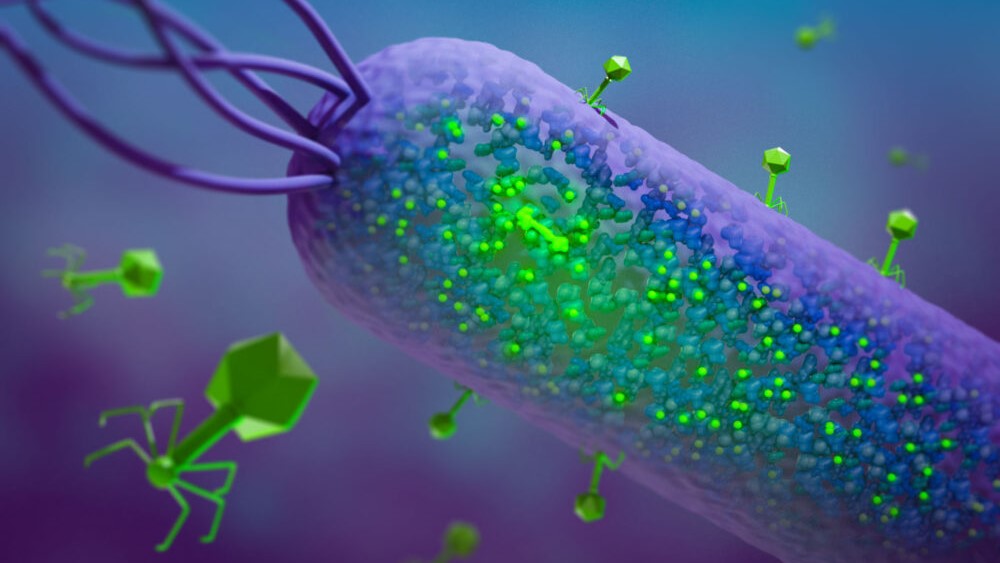
A viral ‘loose cannon’ enzyme helps phages shut down bacterial defences
Scientists have found how phages, viruses that infect bacteria, orchestrate an explosion of protein modifications inside host cells that helps them evade the bacteria’s immune systems Summary As antimicrobial resistance grows around the world, novel therapies to counter it become increasingly more important. Phages – viruses that infect bacteria – are an exciting avenue of […]
read more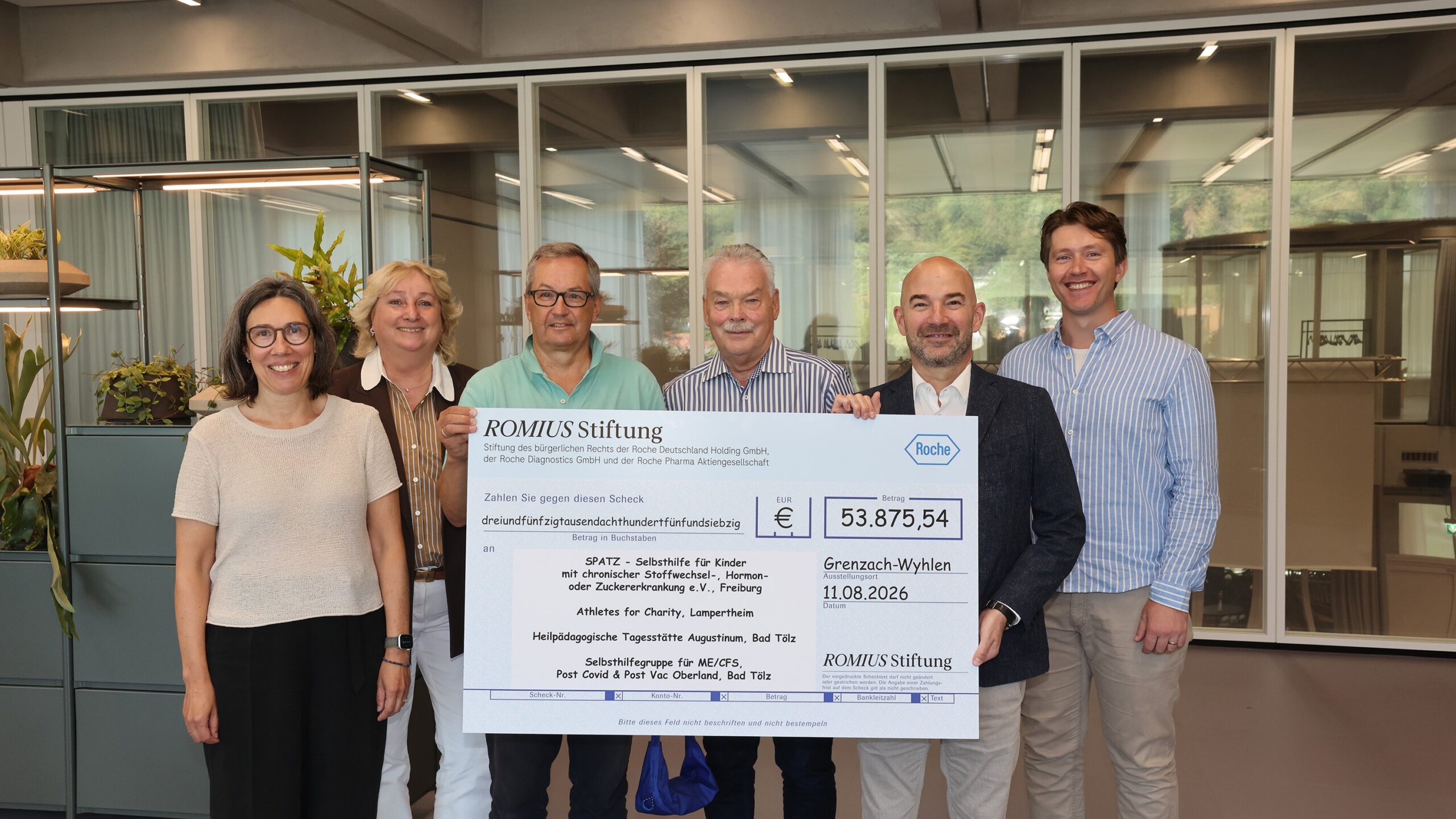
Donation of over 107,000 euros for sick and underprivileged children
As part of the 23rd annual global charity run, the “Roche Children’s Walk,” numerous Roche employees throughout Germany participated in a variety of running, sports, and recreational activities. At the Grenzach-Wyhlen, Mannheim, Penzberg, and Ludwigsburg sites, a total of 53,875 euros was raised. With the German Roche companies matching this amount for global aid projects, […]
read more
VectorBuilder and Lir Therapeutics Partner to Advance AAV Capsids Designed for Clinical Success
CHICAGO – August 18, 2026 – VectorBuilder, a global leader in gene delivery technologies, and Lir Therapeutics, a company pushing the boundaries of vector engineering with AI, today announced a strategic collaboration to develop adeno-associated virus (AAV) capsids designed not only for strong biological performance, but also for the manufacturability and scalability required to bring gene […]
read more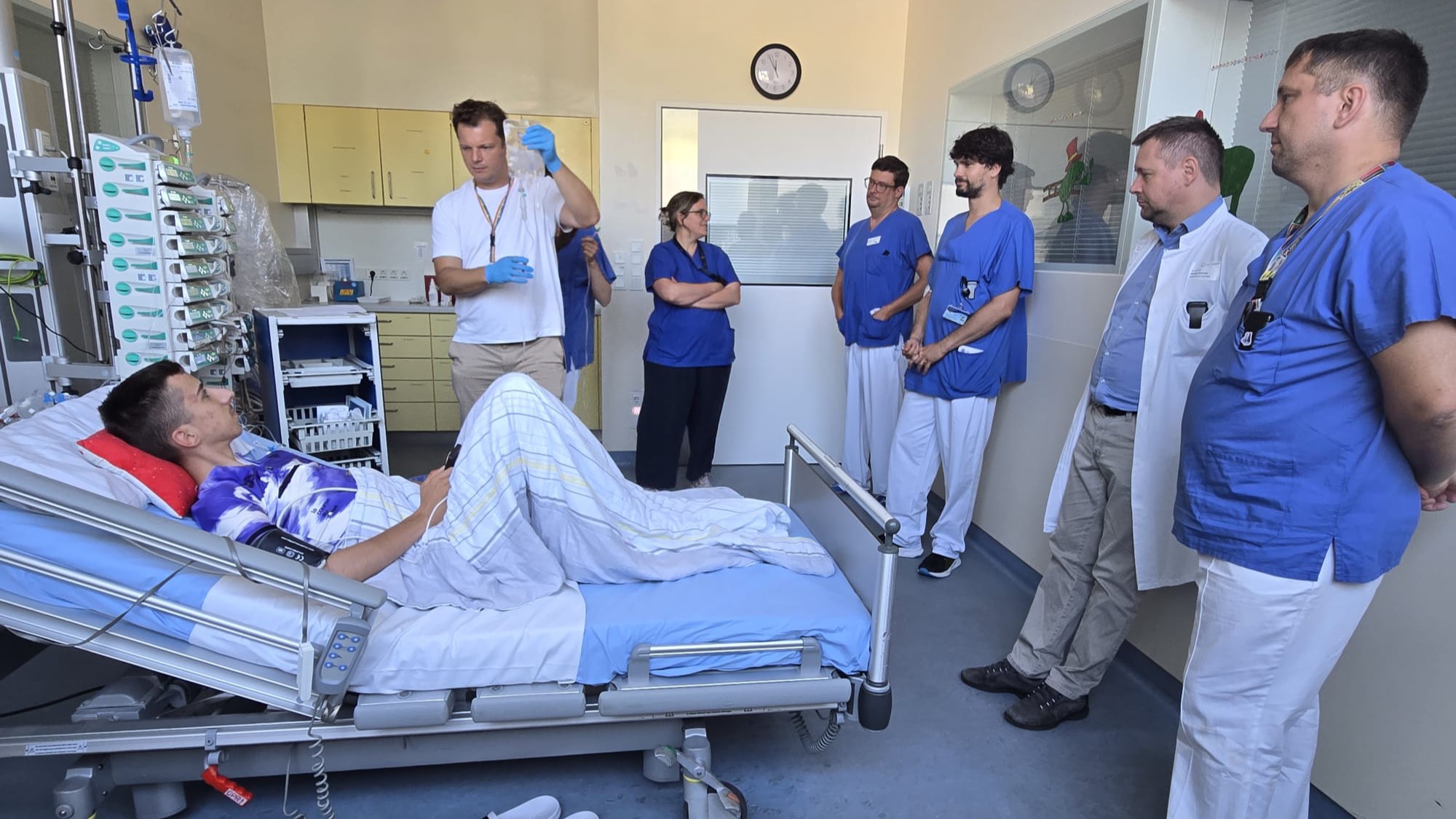
PRAME-specific T-cell therapy in an adolescent with metastatic kidney tumor
Researchers and physicians at the Hopp Children’s Cancer Center Heidelberg (KiTZ) and other leading cancer centers report an exceptional treatment success in an adolescent with an advanced, therapy-resistant kidney tumor. Using a novel, personalized T-cell therapy, they succeeded in completely pushing back the tumor disease despite multiple metastases. The individual compassionate-use treatment has now been […]
read more
Ascendis to Report Second Quarter 2026 Financial Results and Provide Business Update on August 13, 2026
COPENHAGEN, Denmark, Aug. 06, 2026 (GLOBE NEWSWIRE) — Ascendis Pharma A/S (Nasdaq: ASND) today announced it plans to report second quarter 2026 financial results and provide a business update on Thursday, August 13, 2026, before the open of the U.S. financial markets. Ascendis Pharma also plans to host a conference call and live webcast on August 13, 2026, at 8:00 a.m. Eastern Time (ET) to discuss […]
read more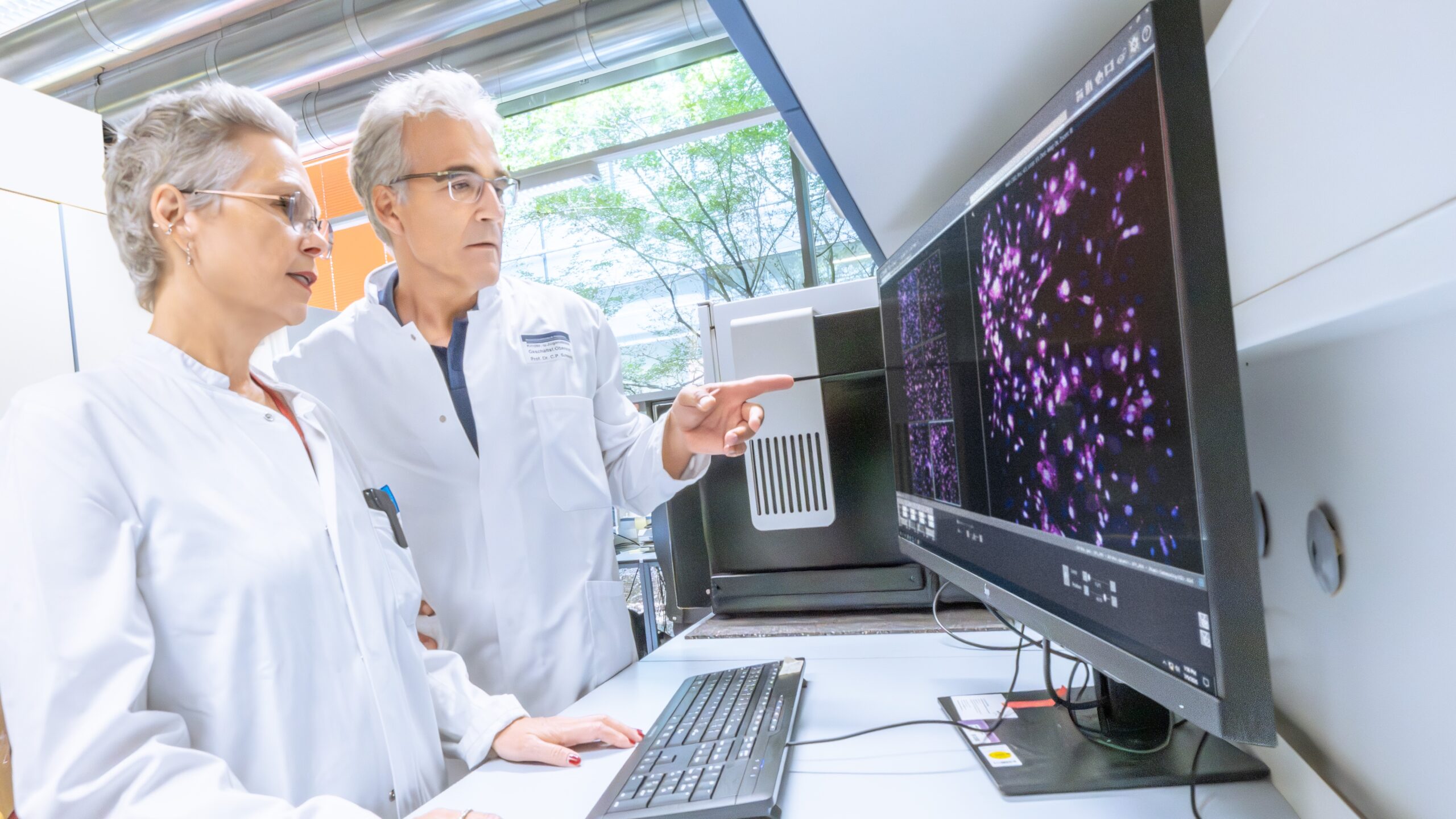
Can Protein Building Blocks Protect Against Vascular and Kidney Damage?
Researchers from the Medical Faculty Heidelberg, the Medical Faculty Mannheim, and the Centre for Organismal Studies (COS) at Heidelberg University have launched a new research project investigating so-called dipeptides. Some of these naturally occurring protein building blocks are able to neutralize toxic metabolic by-products and may therefore help protect against vascular and kidney damage, particularly […]
read more
Electrospinning in regenerative medicine
Electrospun fibers open up a wide range of possibilities in regenerative medicine and for in vitro testing. A key factor in ensuring success is replicating the natural extracellular matrix (ECM) as closely as possible. Electrospun fibers play a significant role in this regard due to their nanofiber structure. In a recent review article, Julia Schütz, […]
read more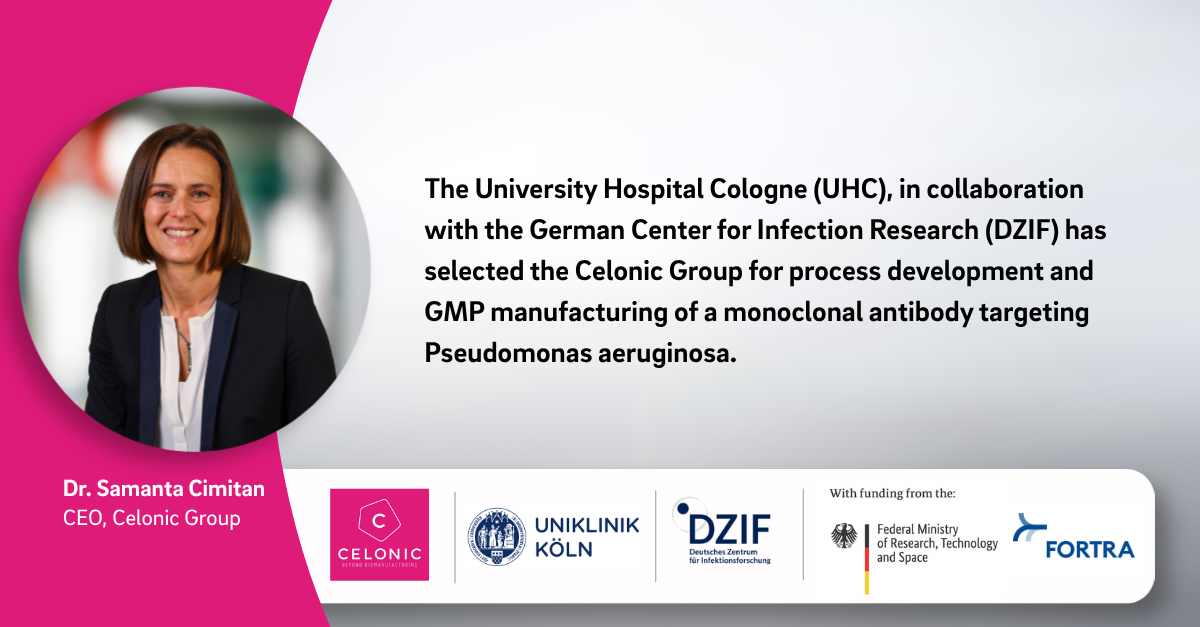
The University Hospital Cologne (UHC), in collaboration with the German Center for Infection Research (DZIF) has selected the Celonic Group for process development and GMP manufacturing of a monoclonal antibody targeting Pseudomonas aeruginosa.
Basel, Switzerland / Köln, Germany August 12, 2026 The University Hospital Cologne (Universitätsklinikum Köln, UHC) has chosen the Celonic Group as its CDMO partner for advanced process development and GMP manufacturing of its monoclonal antibody targeting Pseudomonas aeruginosa, a Gram‑negative pathogen responsible for severe hospital‑acquired infections, biofilm‑driven persistence, and rising antimicrobial resistance. The antibody program is […]
read more