

Research
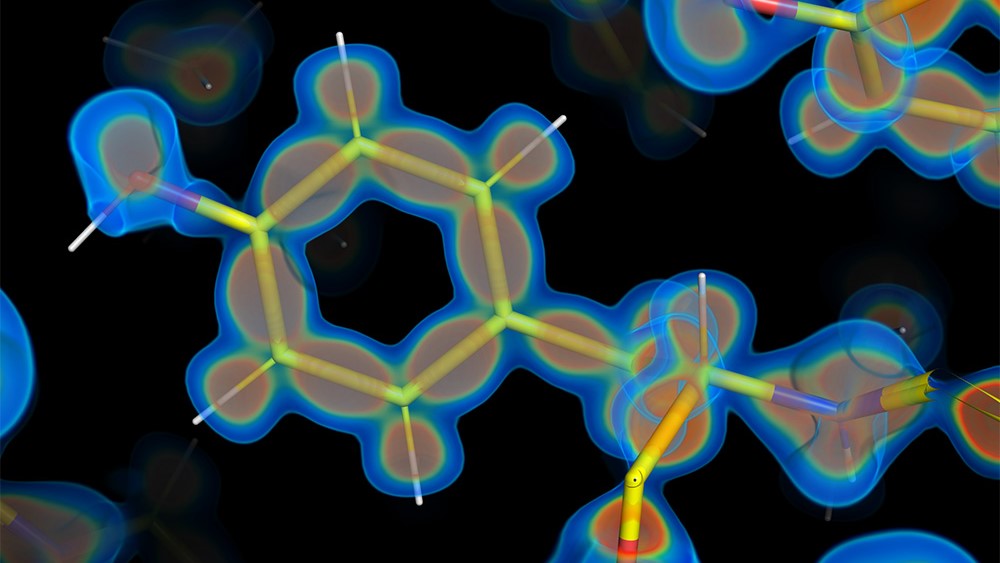
Researchers have used advanced X-ray crystallography methods to determine the structure of the archaeal rubredoxin protein at unprecedented resolution Summary Proteins are high-performance molecular machines that carry out nearly every biochemical function inside living cells. To understand how they achieve this, scientists often look into their detailed atomic structure, which holds important clues to their […]
read more
How is TR-FRET Used in Drug Discovery?
This post is Part 2 of a two-part blog series. Read part 1: What is a TR‑FRET assay and how is it used in drug discovery? In a previous blog post, we covered the fundamental principles of Time-Resolved Fluorescence (TR) Förster Resonance Energy Transfer (TR-FRET), including how long-lived lanthanide donors like europium enable high-sensitivity, “mix-and-read” assays. Because TR-FRET provides a ratiometric, proximity-based […]
read more
Cancer Cachexia: How a Tumor Protein Drives Wasting in the Body
Researchers at Helmholtz Munich, the Heidelberg Faculty of Medicine at Heidelberg University, the German Center for Diabetes Research (DZD) and the Technical University of Munich (TUM) have identified a previously unknown mechanism that can drive cancer cachexia – a wasting process in the body that primarily affects muscle and fat tissue. A central role is […]
read more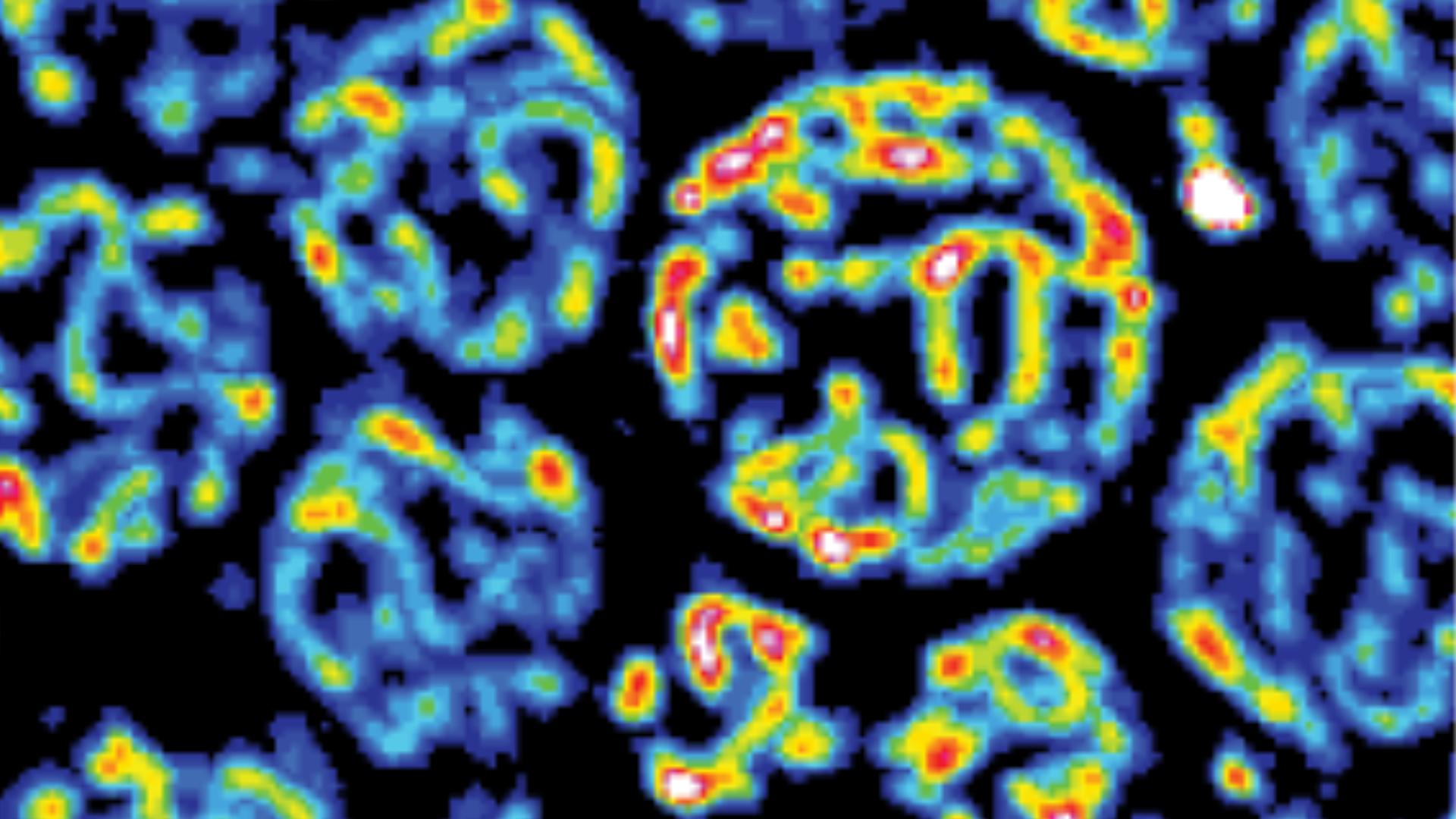
Cells Have an Early-Warning System for Stress in Mitochondria
Internal protective mechanism responds to the very first signs of mitochondrial dysfunction Mitochondria – the powerhouses of the cell – have their own monitoring system that detects oxidative stress at a very early stage. It activates protective mechanisms even before the damage caused by this stress can spread to the rest of the cell. This […]
read more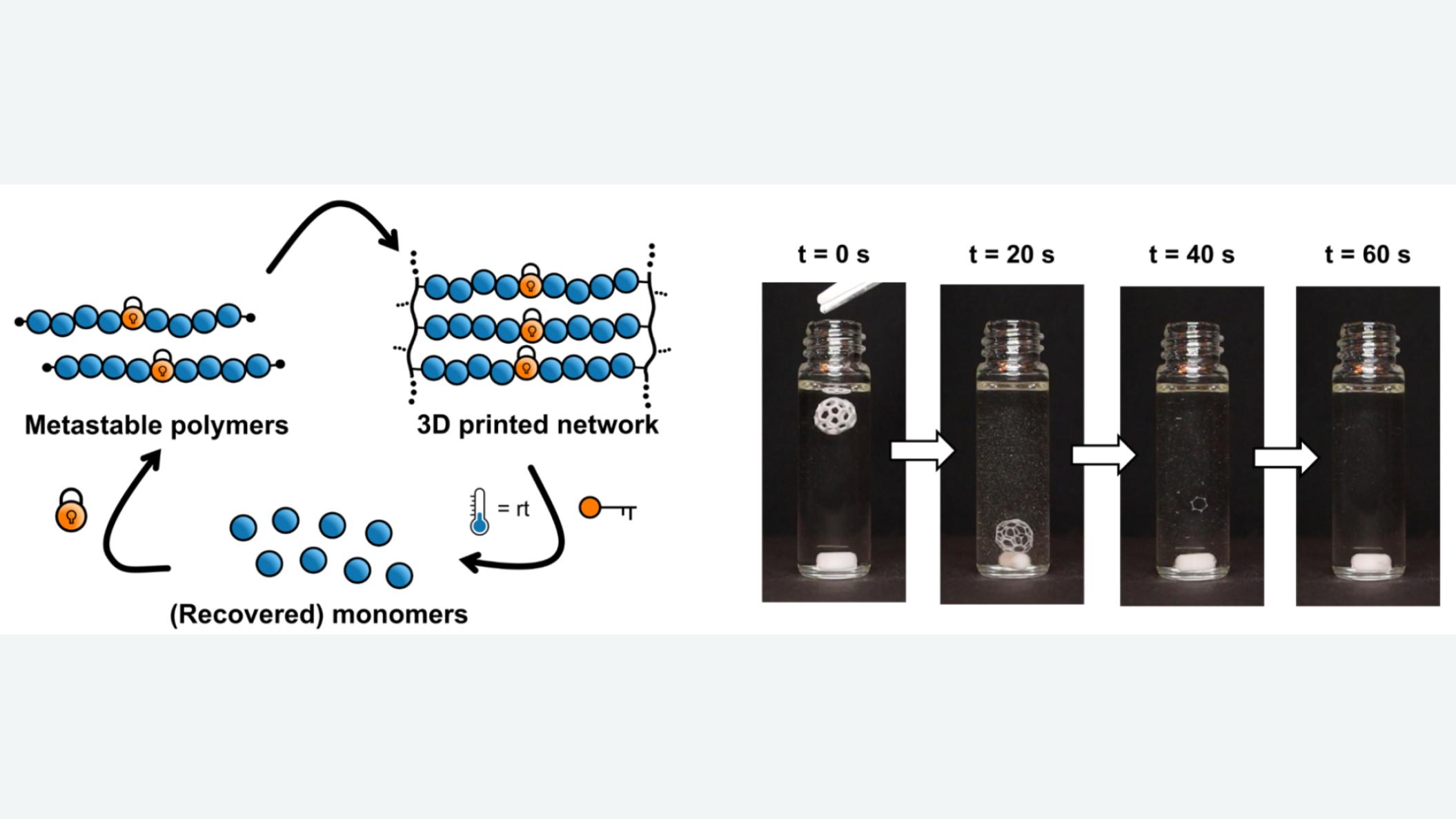
Light-Based 3D Printing: Innovative “Ink” Enables a Closed-Loop Material Cycle
Heidelberg research team develops a polymer material that can be broken down into its individual components and reused Polymers used for light-based 3D printing are very stable due to their chemical structure, but they are typically hard to recycle. A research team led by Prof. Dr. Eva Blasco, a researcher at the Institute for Molecular […]
read more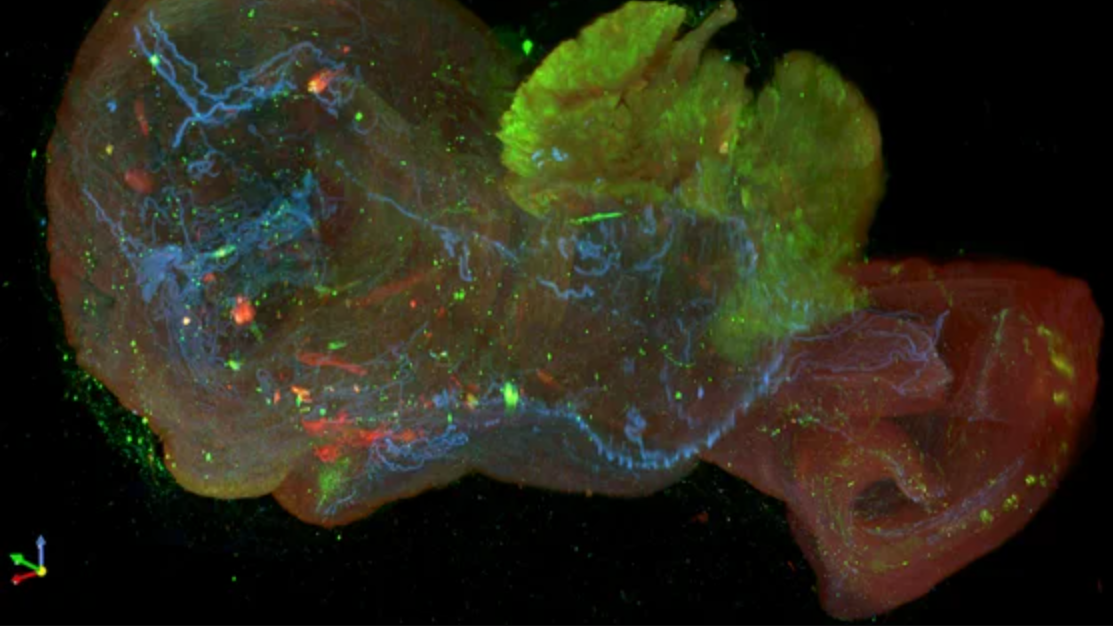
Colon Cancer: How Highly Aggressive Tumors Evade the Immune System
Researchers from the German Cancer Research Center (DKFZ) and the HI-STEM* Stem Cell Institute have identified a previously unknown mechanism by which a particularly aggressive form of colon cancer evades the immune system. The findings show that the activation of a key signaling pathway helps cancer cells suppress the immune system, thereby promoting the development […]
read more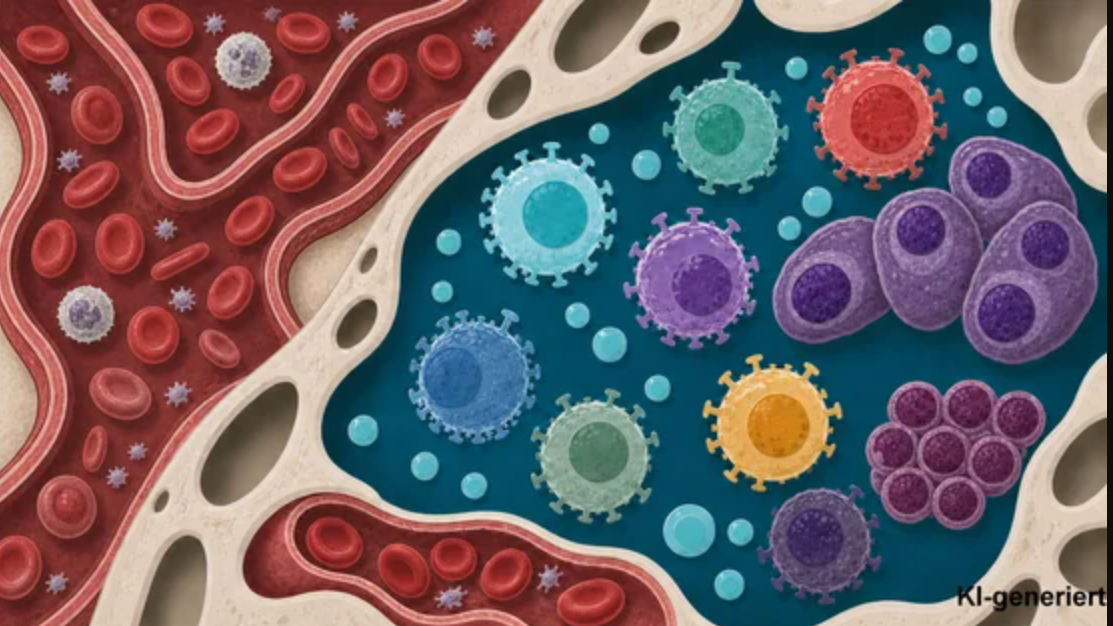
Immune Cells in Bone Marrow Cancer: Limited Defense Readiness
A team led by researchers from the German Cancer Research Center (DKFZ), the HI-STEM* Stem Cell Institute, and Medical Clinic V at Heidelberg University Hospital (UKHD) has characterized T cells in the bone marrow in cases of multiple myeloma and acute myeloid leukemia: A specific group of tumor-reactive T cells can recognize and, in principle, […]
read more
Overlooked Molecules in Metabolism
KIT researchers offer a new perspective on N-acetylated amino acids as potential buffers in cellular energy and metabolic balance When muscles work intensively or brown adipose tissue produces heat in response to cold, metabolism shifts into high gear. Under these conditions, levels of so-called N-acetylated amino acids increase. These are chemically modified amino acids to […]
read more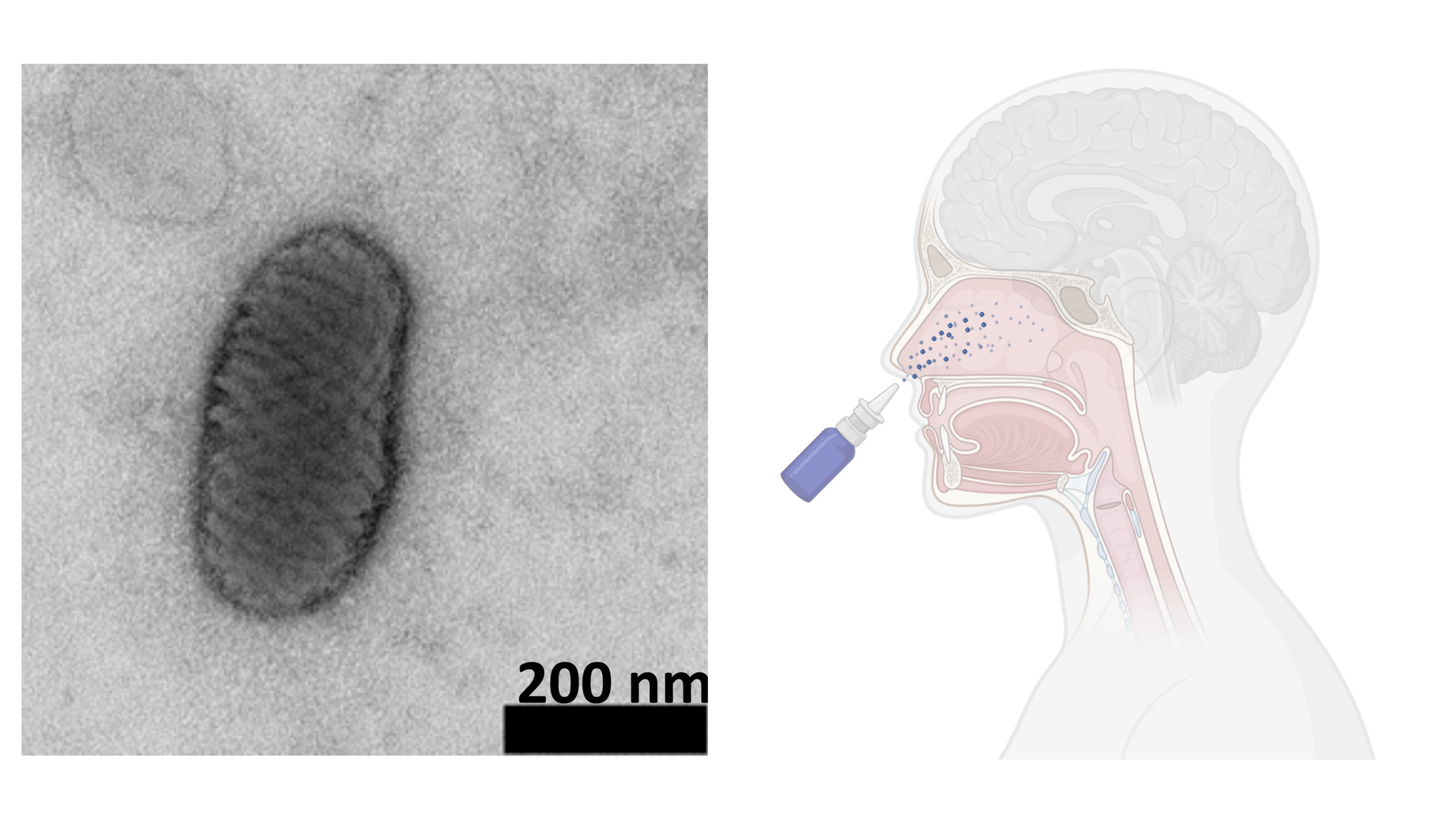
A local barrier against respiratory viruses
Fraunhofer IGB News Brief / August 18, 2026 How can a respiratory virus be stopped before it spreads throughout the body? In the MucoShield project, Prime Vector Technologies, the NMI Tübingen, and Fraunhofer IGB are developing an intranasal vaccine candidate against human metapneumovirus (HMPV), which causes hundreds of thousands of cases of severe respiratory disease […]
read more