

Research
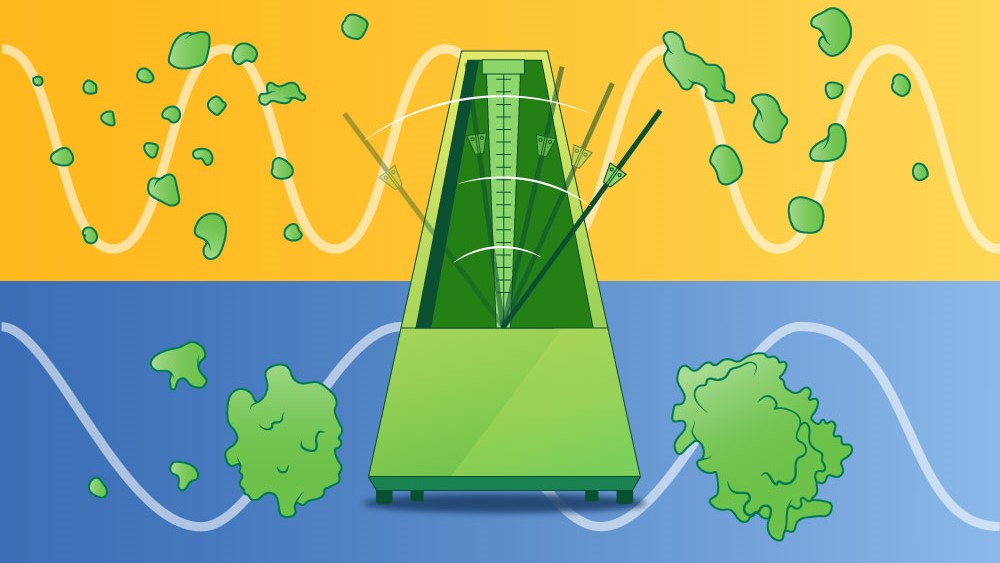
EMBL researchers have uncovered differences in protein degradation rates between humans and mice that could underlie their different developmental tempos Humans develop at a slower rate than other mammalian species, like mice, but scientists are still trying to understand the molecular basis of these differences. Now, researchers from the Ebisuya Group at EMBL Barcelona and […]
read more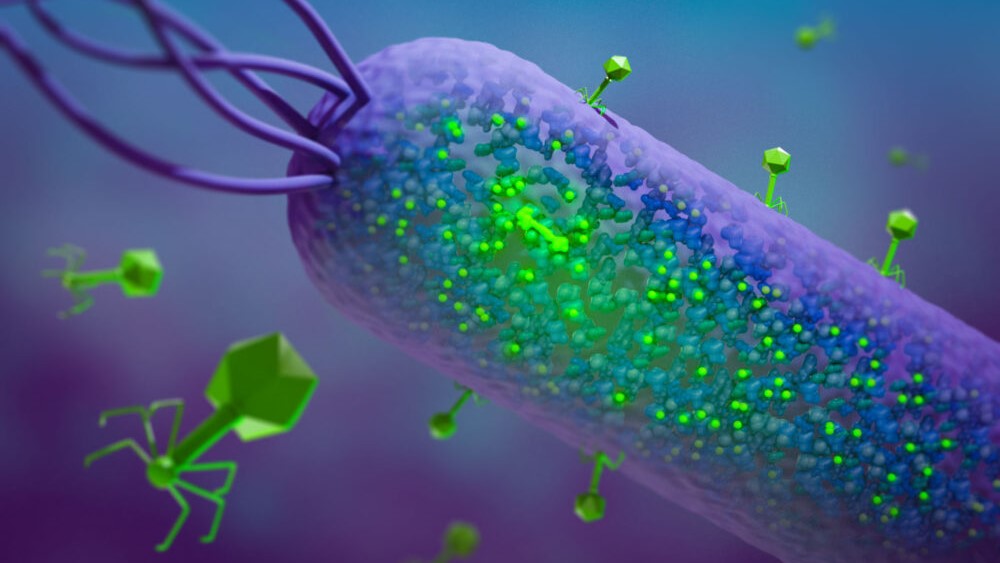
A viral ‘loose cannon’ enzyme helps phages shut down bacterial defences
Scientists have found how phages, viruses that infect bacteria, orchestrate an explosion of protein modifications inside host cells that helps them evade the bacteria’s immune systems Summary As antimicrobial resistance grows around the world, novel therapies to counter it become increasingly more important. Phages – viruses that infect bacteria – are an exciting avenue of […]
read more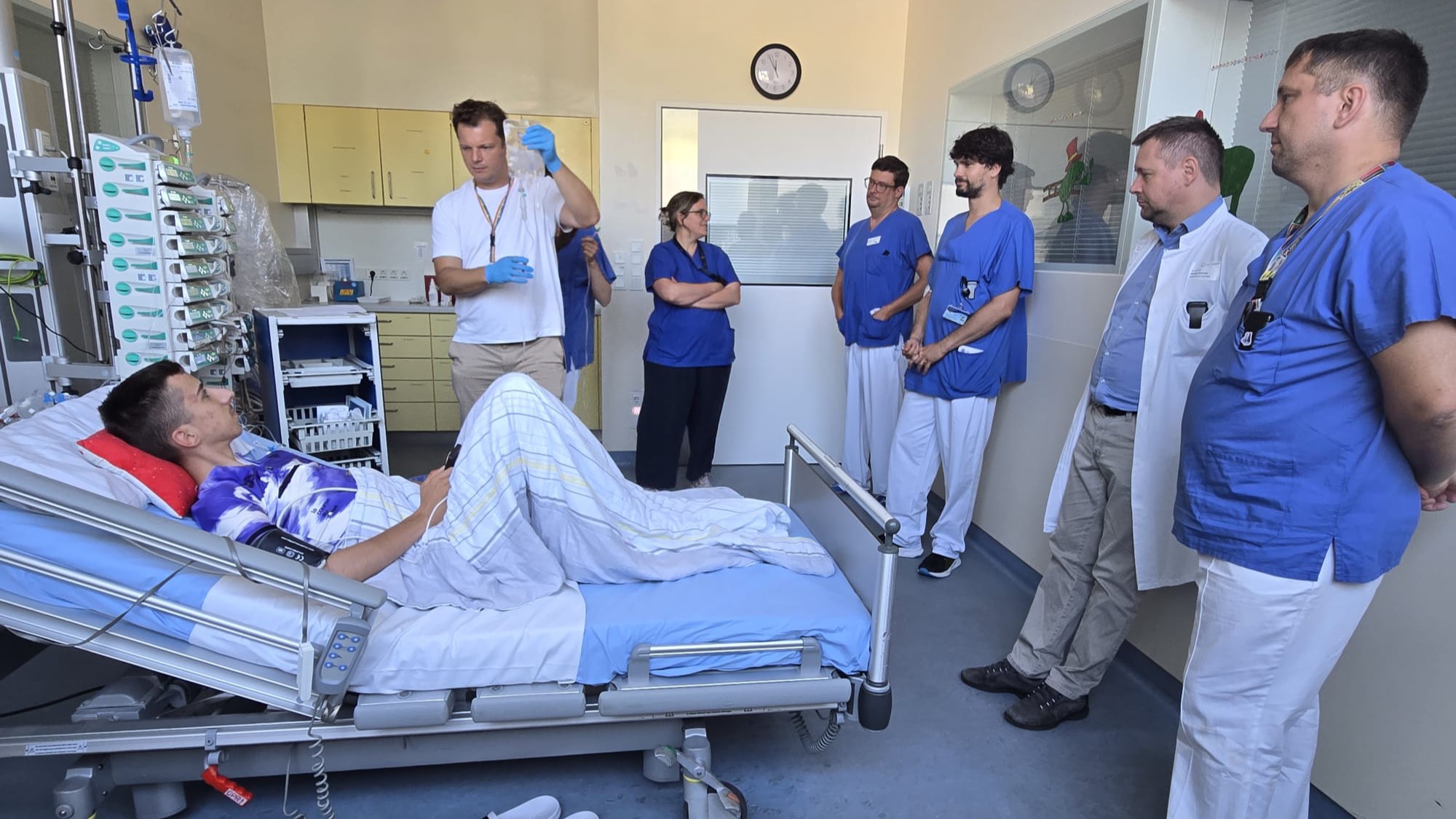
PRAME-specific T-cell therapy in an adolescent with metastatic kidney tumor
Researchers and physicians at the Hopp Children’s Cancer Center Heidelberg (KiTZ) and other leading cancer centers report an exceptional treatment success in an adolescent with an advanced, therapy-resistant kidney tumor. Using a novel, personalized T-cell therapy, they succeeded in completely pushing back the tumor disease despite multiple metastases. The individual compassionate-use treatment has now been […]
read more
Electrospinning in regenerative medicine
Electrospun fibers open up a wide range of possibilities in regenerative medicine and for in vitro testing. A key factor in ensuring success is replicating the natural extracellular matrix (ECM) as closely as possible. Electrospun fibers play a significant role in this regard due to their nanofiber structure. In a recent review article, Julia Schütz, […]
read more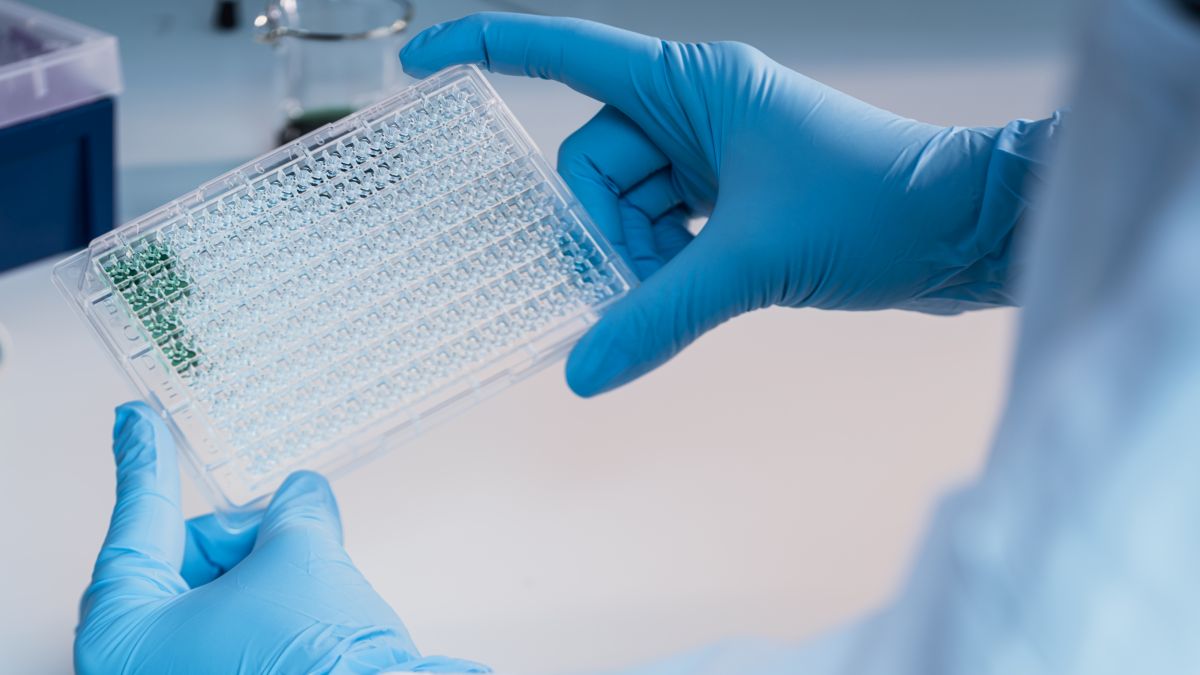
Combating the pandemic: Diagnostic chips ten times more sensitive
A team at KIT has developed a solution that significantly improves novel biosensors for medical use and enables faster diagnosis of infectious diseases Rapid, straightforward and, at the same time, accurate diagnosis of highly contagious pathogens such as the SARS-CoV-2 virus, which caused the coronavirus pandemic, is crucial to curbing the spread of disease. This […]
read more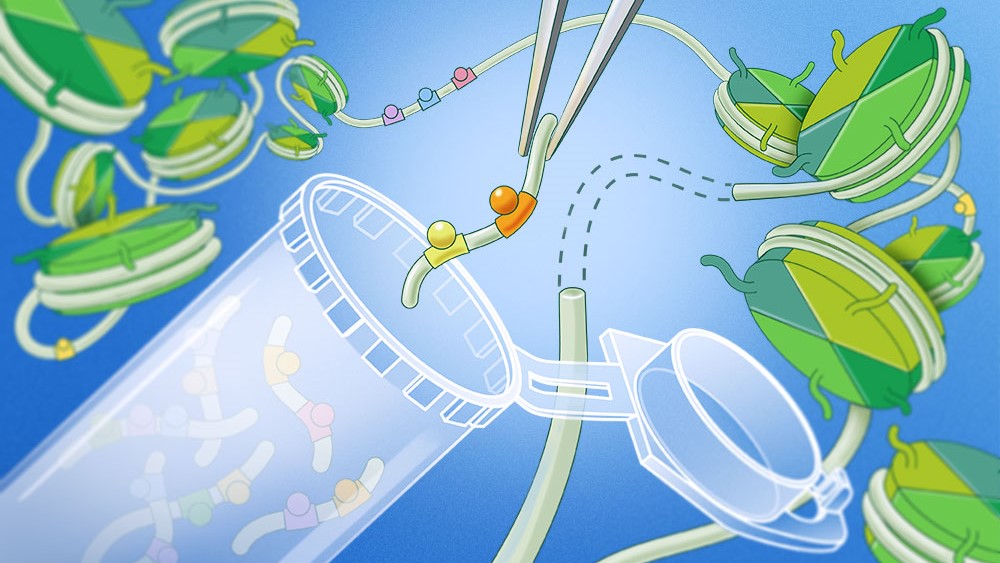
A new genetic tool helps researchers uncover the logic of gene regulation
Researchers use synthetic biology approaches to test hundreds of DNA sequences for their effect on regulating gene expression Summary The human genome contains over 20,000 genes. However, at any given time and in a given cell, only a fraction of them are active. Researchers from EMBL Heidelberg’s Krebs Group have come up with an innovative […]
read more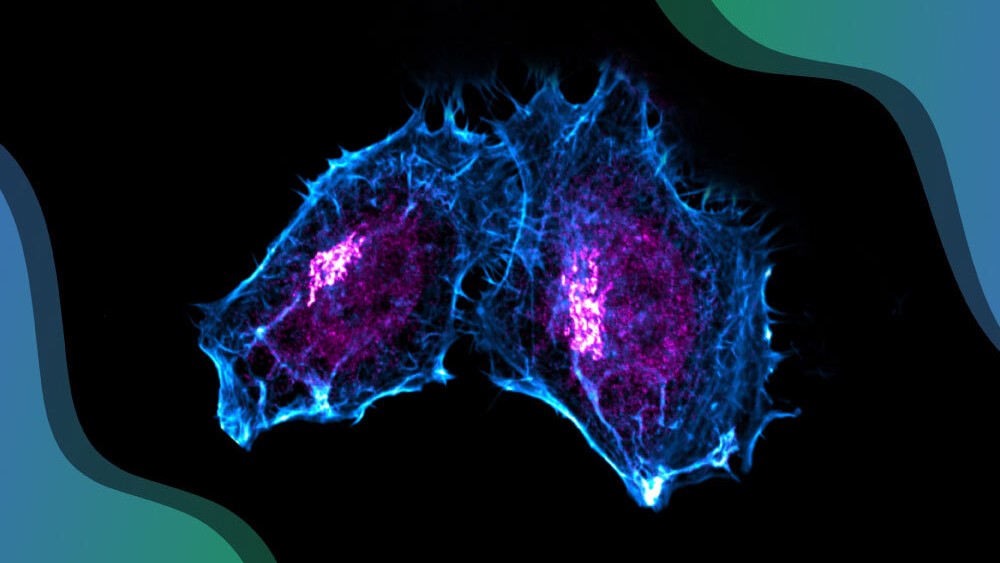
New research shows the Golgi complex is involved in DNA repair control
Researchers have discovered a previously unknown layer of control over DNA repair in cells, exerted from outside the nucleus Summary Our DNA is under constant threat. Chemicals, radiation, and the everyday errors of cell division all damage it, and if left unrepaired, this can lead to diseases such as cancer. Cells invest heavily in finding […]
read more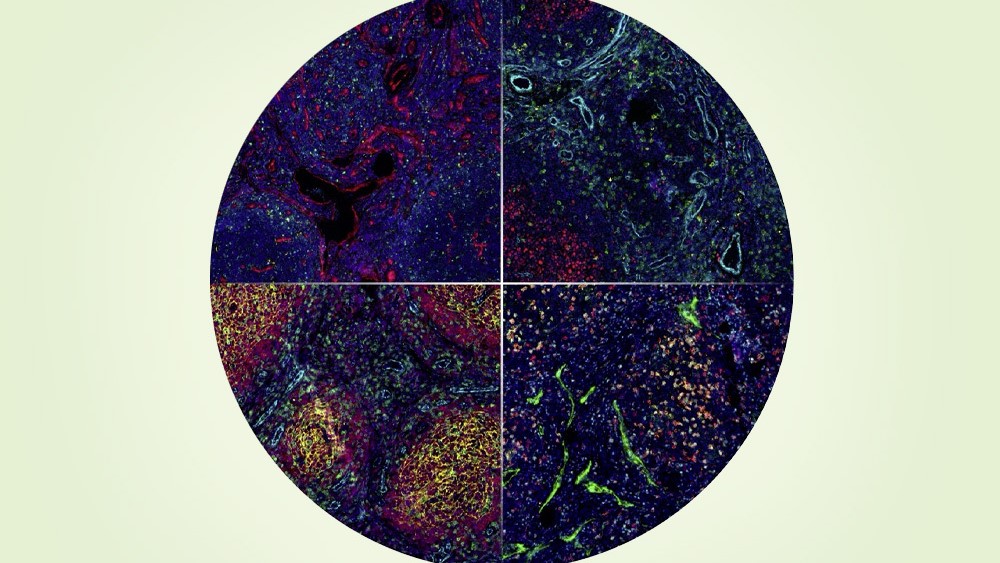
New software helps researchers decode the cellular architecture of lymphoma
An open-source analysis framework developed by researchers at EMBL, HHU, and other institutions makes it easier to study how cells are organised within tumours, paving the way for new insights into cancer biology Summary How cancer develops and responds to treatment depends not only on the tumour cells themselves but also on the complex ecosystem […]
read more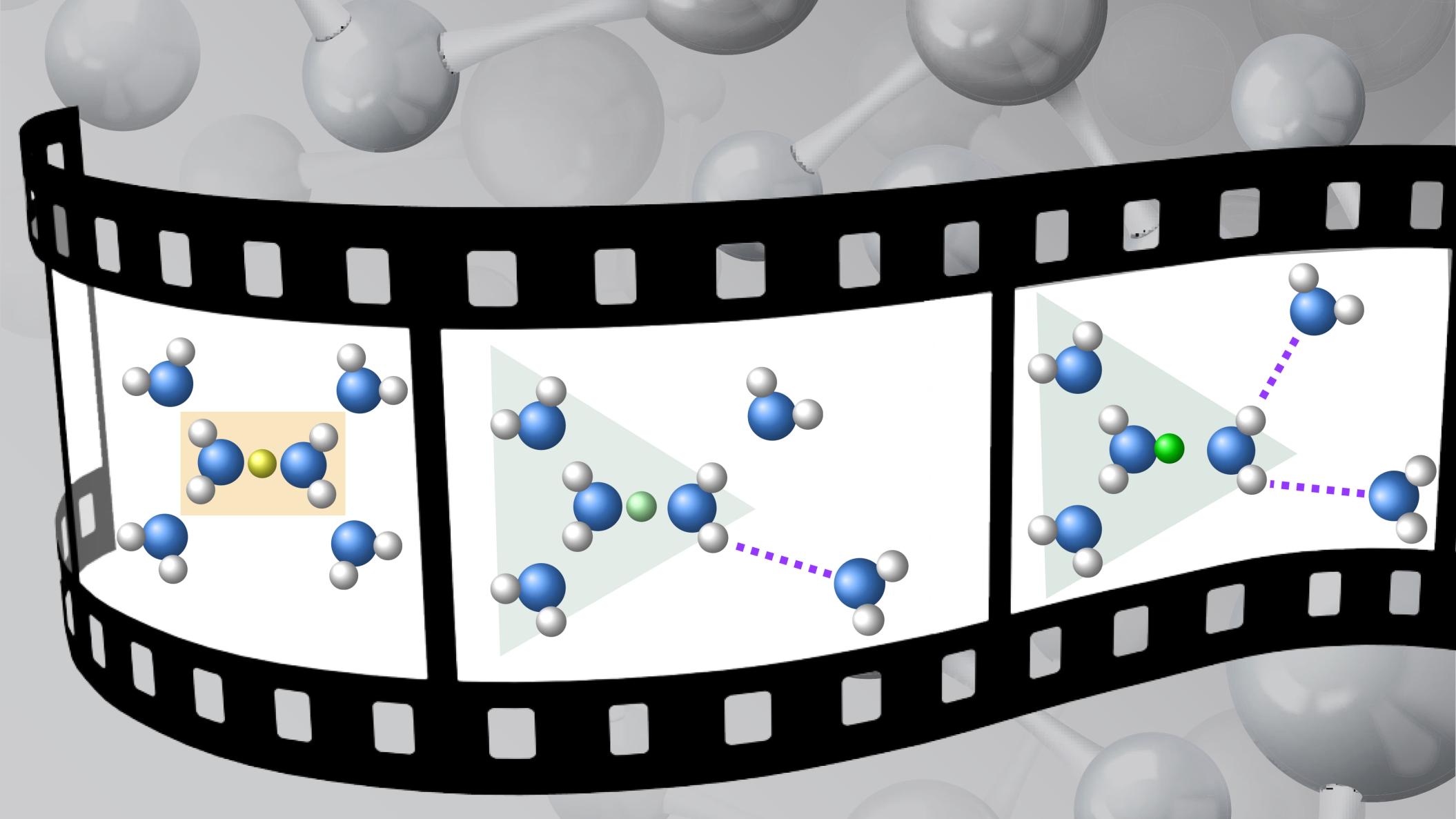
Complex Simulations: New Findings on Proton Transport in Water
International research team simulates motions of a hydrated proton in full quantum detail Complex simulations – the most intricate of their kind to date – reveal how water governs the way protons move through it. They were carried out by an international research team led by scientists of Heidelberg University’s Institute for Physical Chemistry. Using […]
read more