Finding a clue to the origin of treatment-resistant leukaemia in kids
New study points to stem cell-like cells as the origin of persistent disease and relapses
New fundamental research could help combat treatment-resistant leukaemia and prevent relapses in children and adolescents. A group of scientists studied a certain type of leukaemia and identified individual stem cell-like cells responsible for relapses in kids. They have also precisely characterised the molecular properties of these cells.
Acute lymphoblastic leukaemia (ALL) is the most common form of leukaemia in children and adolescents, accounting for about one-fifth of all cancers in this age group. Each year, approximately 550 to 600 children and adolescents in Germany are diagnosed with this form of blood cancer. About 80% can be cured. In the remaining cases, relapses occur due to resistance, leading to poor prognoses.
Chemotherapy resistance is particularly common in what is known as T-ALL, a subtype of ALL. This recent study shows that the origin of the problem lies in a small population of treatment-resistant cells already present at the time of diagnosis and which significantly increase during a relapse.
Research teams from EMBL, the Molecular Medicine Partnership Unit (MMPU), the Hopp Children’s Cancer Center Heidelberg (KiTZ), and the German Cancer Research Center (DKFZ) analysed individual T-ALL cells from 18 leukaemia patients at diagnosis and after relapse, and compared their molecular profiles with leukaemia cells from patients who did not suffer a relapse.
As the single-cell analyses revealed, many affected individuals already carried a small population of cells with stem cell-like properties early in the course of the disease. These stem cell-like cells exhibit particular resistance to chemotherapeutic agents both in cell cultures and in mice. The discovery’s clinical relevance was further substantiated in an analysis of a large number of patient samples: scientists more frequently found the stem cell-like cells in patients for whom treatment with chemotherapeutic agents was ineffective from the outset.
Other cancer studies also suggest that cells with stem cell-like properties are why therapies eventually stop working.
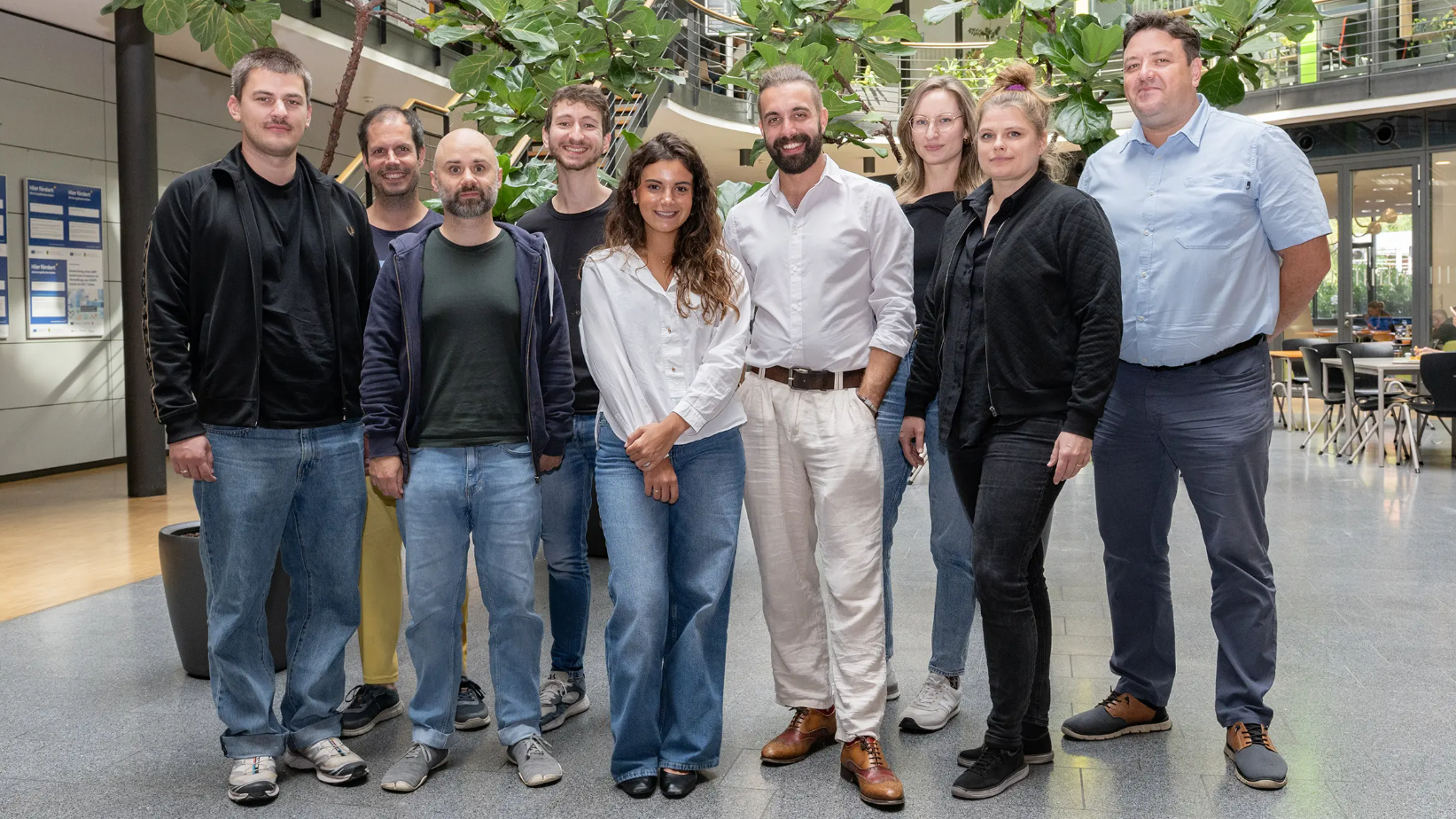
“Until now, however, it has not been possible to identify individual stem cell-like T-ALL cells responsible for relapses and to precisely characterise their molecular properties,” said Jan Korbel, Interim Head of EMBL Heidelberg, Group Leader at the MMPU, and Research Group Leader at the DKFZ. He co-led the study with Andreas Kulozik, MMPU founder, Medical Director of the UKHD Department of Pediatric Oncology, Haematology and Immunology, Director of the Clinical Program at KiTZ, and Head of the Clinical Cooperation Unit Pediatric Leukaemia at DKFZ.
The single-cell analyses also showed how the stem cell-like cancer cells possess varying molecular characteristics, which could also be relevant for therapeutic decisions: stem cell-like cells with certain gene activity patterns were indicative of a relapse. According to the authors, the stem cell score developed in the study could therefore serve as a clinical biomarker in the future to estimate the risk of relapse and, if necessary, adjust treatment.
“With the approach developed in the study, which enables the individual analysis and molecular characterisation of stem cell-like leukaemia cells, we also aim to investigate in the future how different treatment regimens and therapeutics influence the development of these cells,” Kulozik explained.
The stem cell-like cells are a promising therapeutic target for preventing relapses in children and adolescents with T-ALL and for overcoming resistance, the authors hope.
KiTZ, MMPU – a collaboration between EMBL and UKHD – and DKFZ were the institutions engaged in this research. KiTZ is a joint institution of DKFZ, UKHD, and Heidelberg University.
Source article(s)
Role of stem-like cells in chemotherapy resistance and relapse in pediatric T-cell acute lymphoblastic leukemia
Costea J. et al.
Nature Communications 27 June 2025
DOI: 10.1038/s41467-025-61222-1