Global effort to sequence all life on Earth ramps up
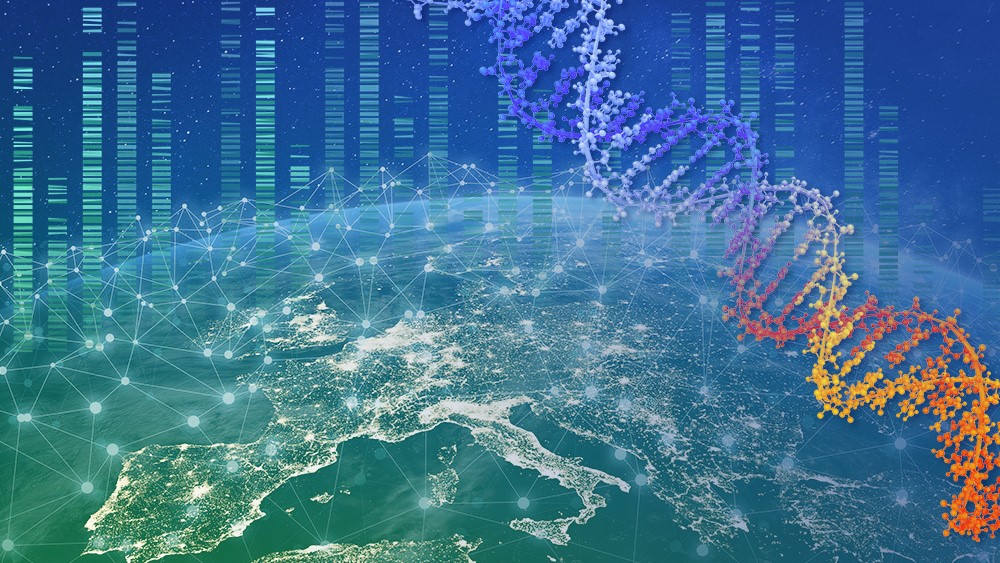
The Earth BioGenome Project is accelerating its efforts tenfold to sequence all life on Earth by 2035
Summary
- The Earth BioGenome Project (EBP) has announced it will increase its efforts tenfold in pace to reach the goal of sequencing all 1.67 million known species by 2035.
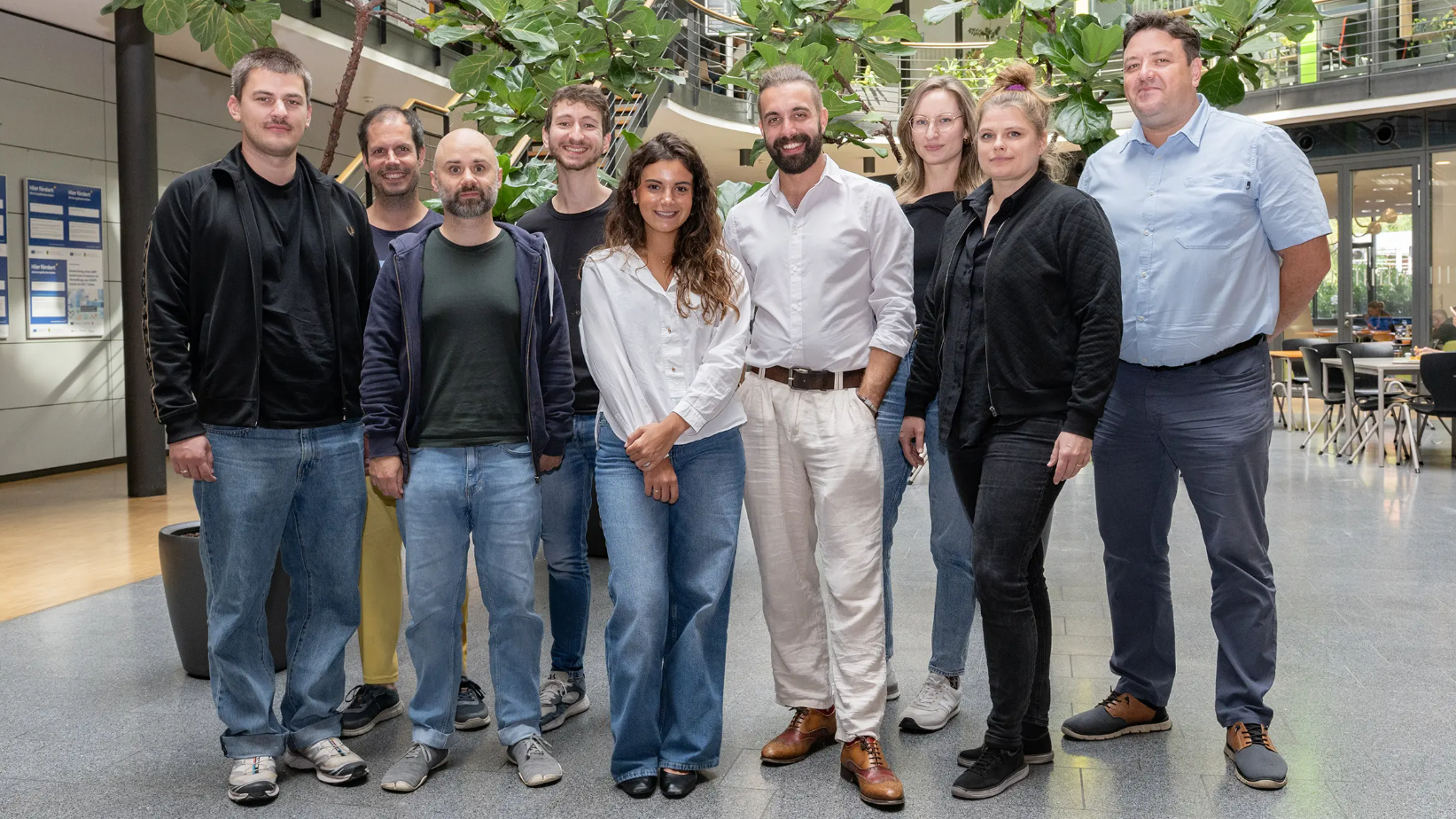
- As part of the project, researchers at EMBL’s European Bioinformatics Institute (EMBL-EBI) are leading efforts in genome annotation.
- These annotated genomes will support research into biodiversity, ecosystem health, food security, conservation, and pandemic prevention.
A global collaboration that includes experts at EMBL’s European Bioinformatics Institute (EMBL-EBI) has entered the second phase of its ambitious plan to sequence all 1.67 million known species on Earth by 2035.
The Earth BioGenome Project (EBP), a global network of scientists sequencing the genomes of Earth’s eukaryotes, set out this next stage in a paper published in the journal Frontiers in Science.
“We have laid the roots to build our digital ‘tree of life’ and our early outputs are already reshaping what we know about evolution, ecosystem function, and biodiversity,” said Mark Blaxter, Head of the Tree of Life Programme at the Wellcome Sanger Institute. “This project is a biological moonshot in terms of the scale of ambition. As species vanish and ecosystems degrade, we aim to capture and preserve the biological blueprint of life on Earth for future generations. Understanding the origins and evolution of life on Earth is a human pursuit equivalent to understanding the origins and evolution of the universe.”
What is the Earth BioGenome Project (EBP)?
The EBP consists of a growing network of more than 2,200 scientists in 88 countries, including local and Indigenous research communities. Their goal is to create a digital library of DNA sequences that will help researchers find new ways to preserve and protect life on Earth and tackle rapid environmental change. This includes supporting research that could help assure food security, advance medicine and agriculture research, and drive a deeper global understanding of biodiversity to support conservation and pandemic prevention.
How is EBP data used?
These data have illuminated the origins and evolution of life on Earth, and the role of genetic diversity in species’ ability to adapt to change. For example, they have helped reveal how Svalbard reindeer adapted to Arctic conditions, and how chromosomes evolved in butterflies and moths. The project’s research methods are also helping to improve tools such as environmental DNA (eDNA) analysis, which uncovers new lifeforms through the genetic footprints they leave behind.
“Our team is focused on annotating the genomes produced by the Earth BioGenome Project,” said Fergal Martin, Eukaryotic Annotation Team Leader at EMBL-EBI and co-chair of the EBP annotation subcommittee. “Annotation is what makes these data truly valuable; it allows researchers to understand which genes are present, what they do, and how species have evolved and adapted over time. By making these annotated genomes openly available, we’re giving scientists around the world the tools they need to address urgent challenges in biodiversity, conservation, and more.”
The EBP is an umbrella initiative, coordinating efforts from projects such as the Darwin Tree of Life (DToL), the European Reference Genome Atlas (ERGA), and the Vertebrate Genomes Project (VGP). Many EBP genome annotations are already available and can be explored in Ensembl. All EBP genomes are also being added exclusively to the new Ensembl platform, currently in beta.
Future goals
Phase II of the project aims to sequence an additional 150,000 species within four years. Achieving this will require sequencing 3,000 new genomes per month, more than 10 times faster than current rates.
It will prioritise species that are important to ecosystem health, food security, pandemic control, conservation, indigenous peoples and local communities. It also aims to collect 300,000 samples, around half of which will form the basis of Phase III.
To ensure that EBP is gathering all biodiversity across the world, vast amounts of the species collection, sample management, sequencing, assembly, annotation, and analysis will be delivered by local EBP partners. This will also help to ensure equitable access and culturally appropriate practices, while reducing societal and environmental impact.
Source article(s)
The Earth BioGenome Project Phase II: illuminating the eukaryotic tree of life
Blaxter et al.,
Frontiers in Science 4 September 2025
10.3389/fsci.2025.1514835