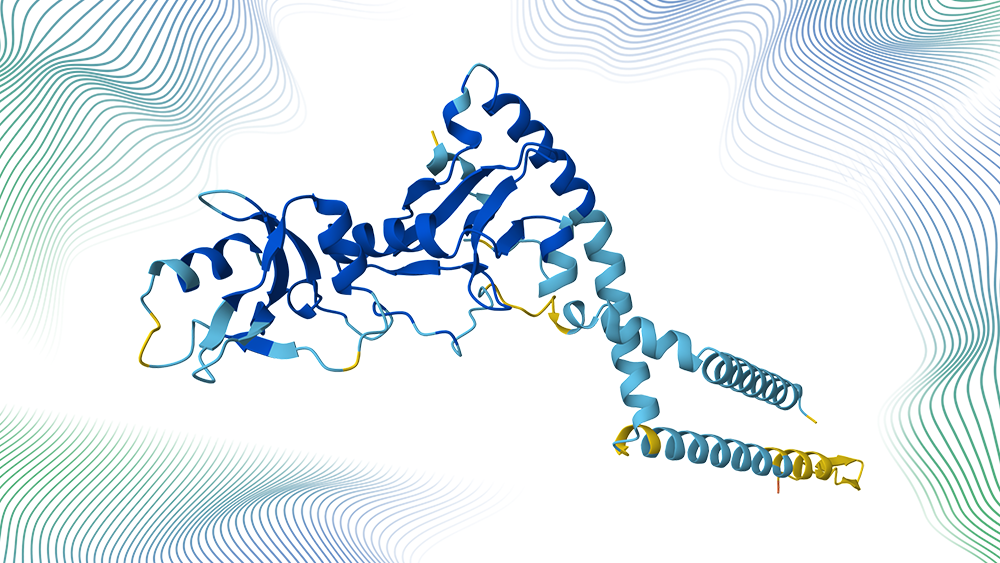
Heidelberg Pharma’s Lead ATAC Candidate HDP-101 Shows Progress in Phase I/IIa Trial in Multiple Myeloma
- Evidence of clinical activity observed in Cohort 8, including stringent complete remission in two patients from Cohort 8
- HDP-101 continues to demonstrate a favorable safety profile with no dose-limiting toxicities observed in Cohort 8
- R&D Webinar to be hosted on 11 November 2025 at 05:00 pm CET (08:00 am PST)
Ladenburg, Germany, 6 November 2025 – Heidelberg Pharma AG (FSE: HPHA), a clinical-stage biotech company developing innovative Antibody Drug Conjugates (ADCs), today announced that HDP-101 (INN: pamlectabart tismanitin), the Company’s lead ATAC candidate for the treatment of relapsed or refractory multiple myeloma, shows further clinical activity in Cohort 8 at a dose level of 140 µg/kg. These findings are highlighted by observed stringent complete remissions in two patients from Cohort 8.
Seven patients were evaluated in Cohort 8, and all patients demonstrated a favorable safety and tolerability profile throughout. Encouraging signs of clinical activity have also emerged. Four patients showed biological activity of HDP-101 (INN: pamlectabart tismanitin), with one partial response, one very good partial response and two stringent complete remissions (sCR). For sCR, no tumor cells are detectable in blood and bone marrow.
Dr András Strassz, Chief Medical Officer at Heidelberg Pharma, said: “We are very delighted by the data seen so far. Several patients across different cohorts have shown objective responses and promising anti-tumor activity. Observing two stringent complete remissions is an encouraging validation of our therapeutic approach. We have previously seen complete remission in one patient from Cohort 5, but in Cohort 8 onset of the response was more rapid. These findings further strengthen our confidence in the therapeutic potential of HDP-101 in heavily pretreated patients with relapsed or refractory multiple myeloma, and we are now progressing with Cohort 9 with an escalated dose of 175 µg/kg to continue its clinical evaluation.”
Heidelberg Pharma’s Phase I/IIa clinical study is a non-randomized, open-label, dose escalation trial actively enrolling patients with relapsed or refractory multiple myeloma or other BCMA-expressing plasma cell disorders. The study is designed to evaluate the safety, tolerability, pharmacokinetics, and preliminary efficacy of HDP-101 (INN: pamlectabart tismanitin) in this patient population.
Heidelberg Pharma will discuss these findings in an R&D webinar on 11 November 2025 at 05:00 pm CET (11:00 am ET; 08:00 am PST), for investors, analysts, and media.
The webinar will feature presentations by the Heidelberg Pharma management team and Key Opinion Leader (KOL) Professor Marc-Steffen Raab, Head of the Myeloma Center at the University Hospital Heidelberg and clinical investigator of the study.
For further information on the R&D webinar, or to register your attendance, please use the link below:
A recording of the R&D webinar will be accessible via the press & investor section of the Company website after the event.
About Heidelberg Pharma
Heidelberg Pharma is a biopharmaceutical company working on a new treatment approach in oncology and developing novel drugs based on its ADC technologies for the targeted and highly effective treatment of cancer. ADCs are antibody-drug conjugates that combine the specificity of antibodies with the efficacy of toxins to fight cancer. Selected antibodies are loaded with cytotoxic compounds, the so-called payloads, that are transported into diseased cells. Inside the cells, the toxins then unleash their effect and kill the diseased cells.
Heidelberg Pharma is the first company to use the compound Amanitin from the green death cap mushroom in cancer therapy. The biological mechanism of action of the toxin represents a new therapeutic modality and is used as a compound in the Amanitin-based ADC technology, the so-called ATAC technology.
The lead candidate HDP-101 (INN: pamlectabart tismanitin) is a BCMA ATAC in clinical development for multiple myeloma. The candidate has been granted Orphan Drug Designation and Fast Track Designation from the FDA. A second ATAC candidate, HDP-102 is in clinical development stage in Non-Hodgkin Lymphoma. HDP-103 against metastatic castration-resistant prostate cancer and HDP-104 targeting gastrointestinal tumors such as colorectal cancer have completed preclinical development. Heidelberg Pharma is open for partnering.
The company is based in Ladenburg, Germany, and is listed on the Frankfurt Stock Exchange: ISIN DE000A11QVV0 / WKN A11QVV / Symbol HPHA. More information is available at www.heidelberg-pharma.com
ATAC® is a registered trademark of Heidelberg Pharma Research GmbH.