Highly endowed research award for DKFZ scientist
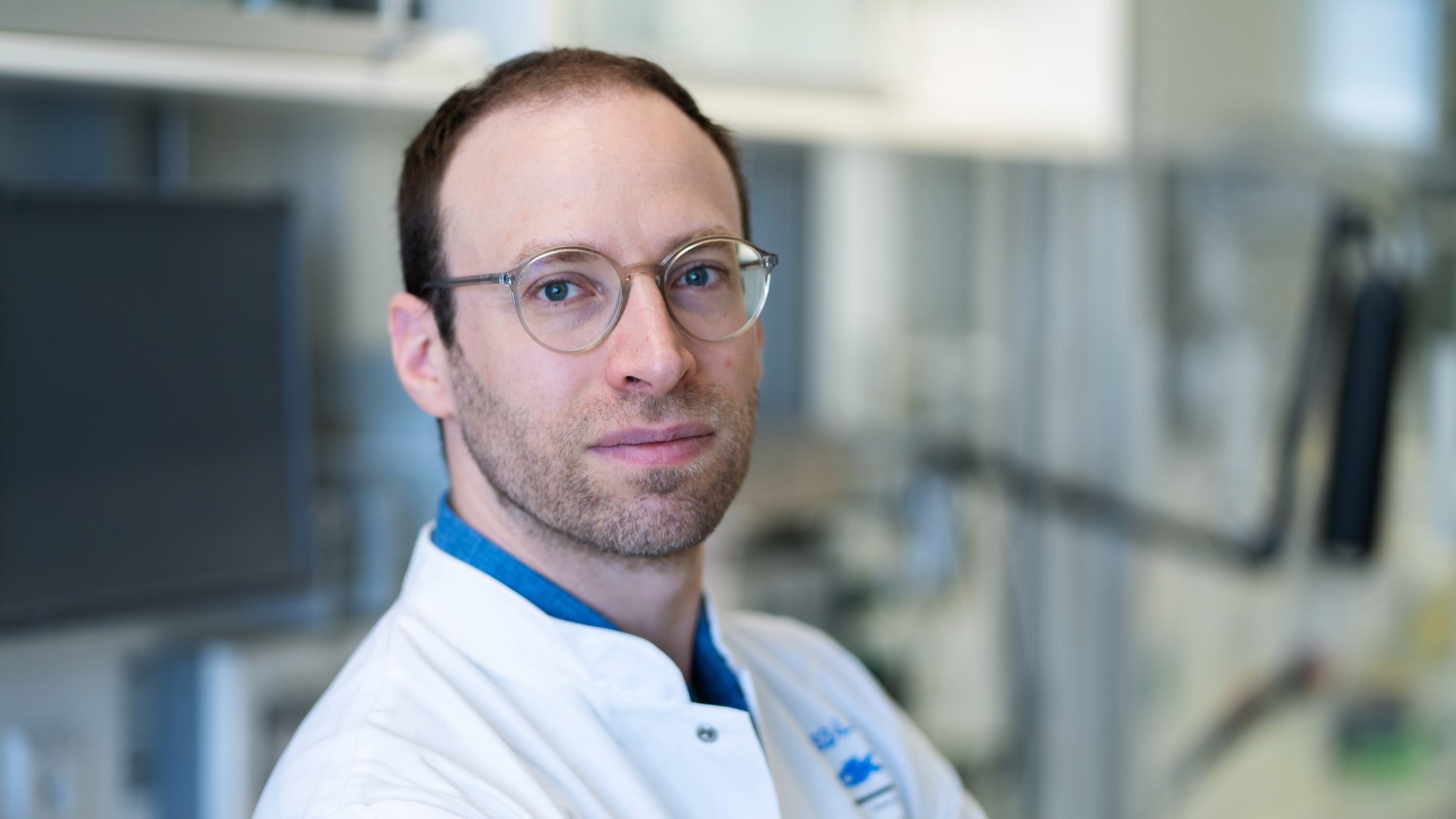
Daniel Kirschenbaum from the German Cancer Research Center (DKFZ) is developing new methods to find out exactly how immune cells are suppressed by malignant brain tumors. He is being supported in this by the EACR-Mark Foundation and the Pezcoller Foundation with the Rising Star Award, which is endowed with 100,000 euros.
Tumor cells have a whole arsenal of strategies at their disposal to suppress the immune system and thus protect themselves from elimination by the body’s defense cells. Glioblastoma, a very aggressive brain tumor, is considered particularly immunosuppressive: in this type of cancer, the defense cells are often blocked at a very early stage of the disease.
What happens in immune cells when they transition to a dysfunctional state is already well known. Researchers typically use single-cell mRNA sequencing for such investigations. This technique provides information about the activity of all genes in the immune cells, thus providing an accurate picture of the cellular state. However, the technique only provides a snapshot and does not allow conclusions to be drawn about how immunosuppression develops over time or which areas of the tumor and its surroundings have a particularly immunosuppressive effect.
A few years ago, DKFZ immunologist Daniel Kirschenbaum developed “Zman-seq,” an innovative technology that adds a temporal dimension to single-cell sequencing data. To do this, he marks the immune cells in the blood with “time stamps” that can later be recognized in tissues, such as tumors. The method allows cell changes to be observed in real time and provides insight into how immune cells react in the course of diseases or – as in the case of glioblastomas – are rendered dysfunctional by the tumor environment. This makes it possible for the first time to trace the dynamic development paths of immune cells in tumors.
Using a newly developed approach, Kirschenbaum now wants to spatially map the areas of the tumor where immune cells are blocked. The long-term goal is to combine temporal and spatial resolution. Such a combined analysis would represent a major advance for immunology and oncology.
The Rising Star Award, worth €100,000, is presented by the EACR-Mark Foundation and the Pezcoller Foundation to members of the European Association for Cancer Research (EARC) and is awarded annually to an outstanding research project. The prize money is used to advance promising approaches to such an extent that they can serve as the basis for an application for a Starting Grant from the European Research Council (ERC). Daniel Kirschenbaum will use the prize money to improve the informative value of the analysis method, test its spatial resolution, and ultimately create a kind of map of the immunosuppressive areas of the tumor.
The Mark Foundation for Cancer Research is a philanthropic organization dedicated to advancing cancer research and translating new discoveries into improved patient care. The Pezcoller Foundation also promotes and supports research in the field of oncology and recognizes outstanding contributions in this area.
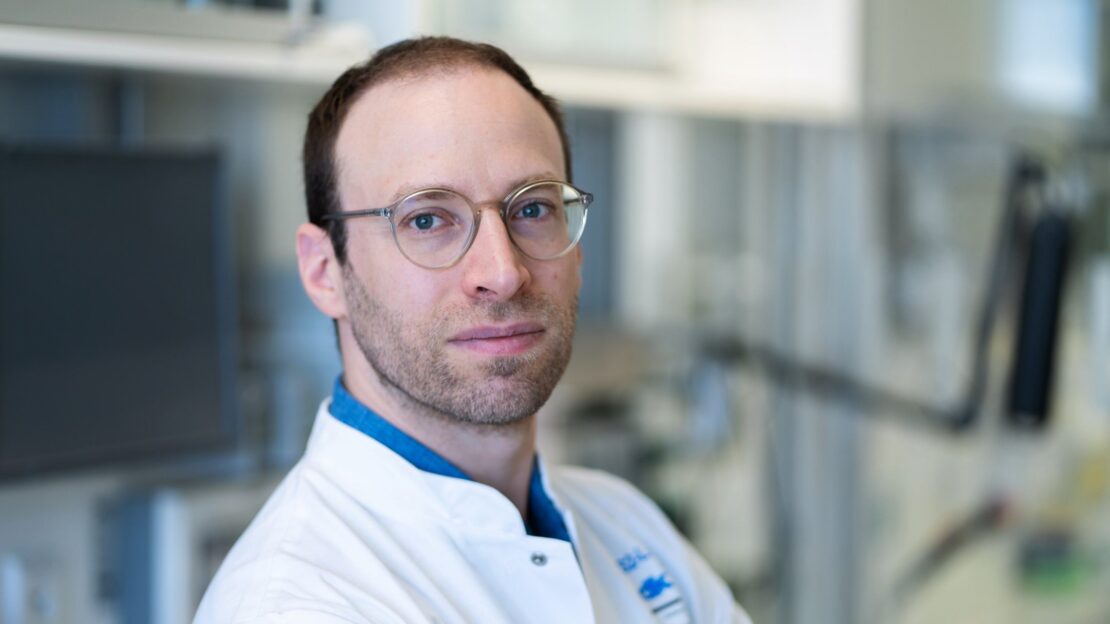
A picture of Daniel Kirschenbaum is available for download:
https://www.dkfz.de/fileadmin/user_upload/Skoe/Pressemitteilungen/2026/Kirschenbaum.jpg
Note on use of images related to press releases
Use is free of charge. The German Cancer Research Center (Deutsches Krebsforschungszentrum, DKFZ) permits one-time use in the context of reporting about the topic covered in the press release. Images have to be cited as follows: “Source: M. Stark / DKFZ”.
Distribution of images to third parties is not permitted unless prior consent has been obtained from DKFZ’s Press Office (phone: ++49-(0)6221 42 2854, E-mail: presse(at)dkfz.de). Any commercial use is prohibited.