Inhibition of cell division induces immunoreactive peptides in cancer cells
A team of scientists from the German Cancer Research Center (DKFZ) and the Netherlands Cancer Institute has discovered a previously unknown vulnerability in cancer cells: When cell division is blocked with chemotherapeutic agents such as Taxol, cancer cells produce small immunogenic peptides that could open up new avenues for immune-based cancer therapies.
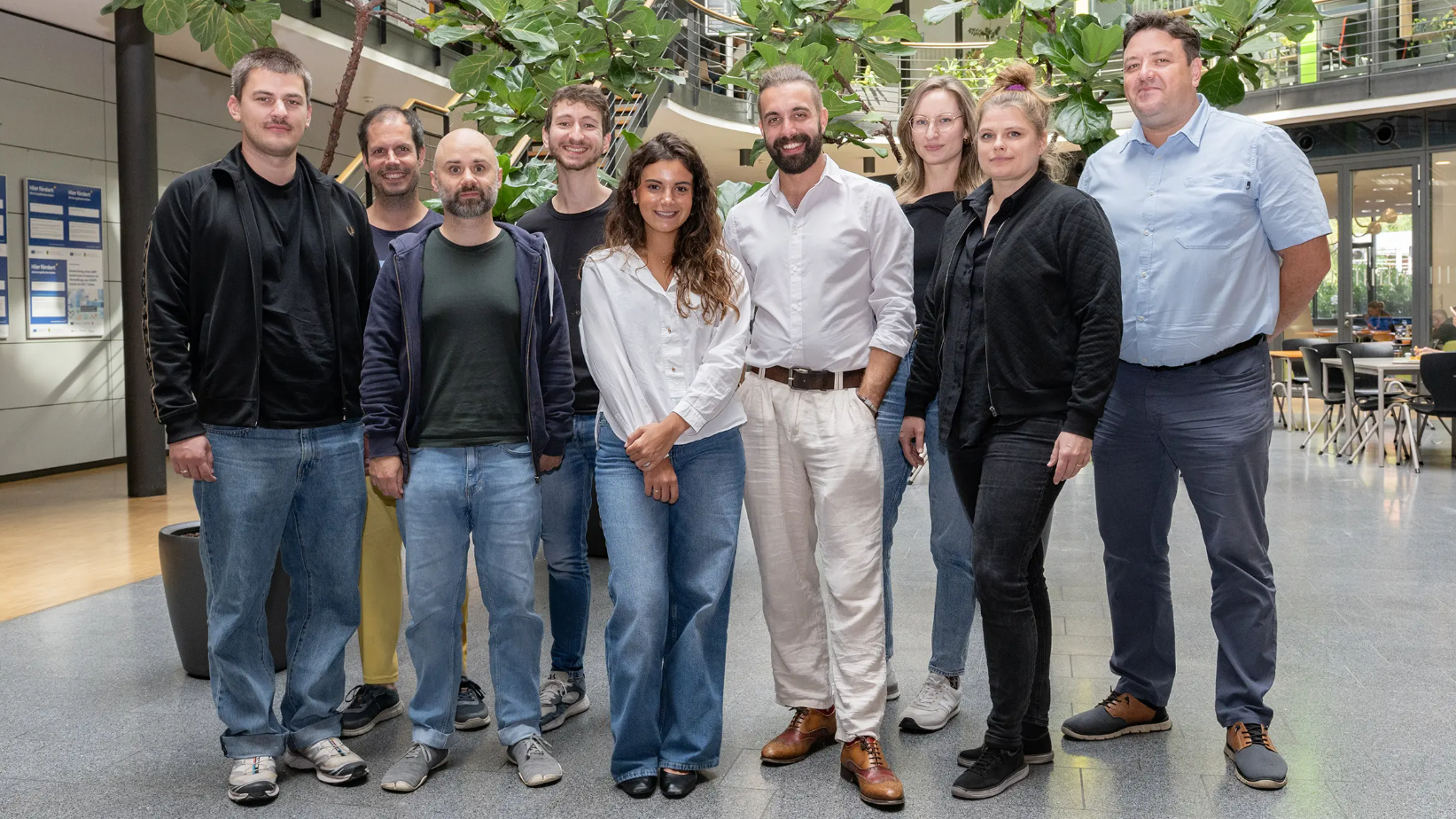
Frequent cell division is a characteristic feature of cancer cells. Therefore, drugs such as paclitaxel (Taxol), which specifically block cell division, can halt tumor growth. A research team led by Fabricio Loayza-Puch and Angelika Riemer from the DKFZ and Reuven Agami from the Netherlands Cancer Institute has now shown that this cell division blockade has an unexpected side effect in cancer cells: it alters protein production in such a way that new, previously unknown peptides are produced, which are presented on the surface of the cancer cells and can be recognized by the immune system.
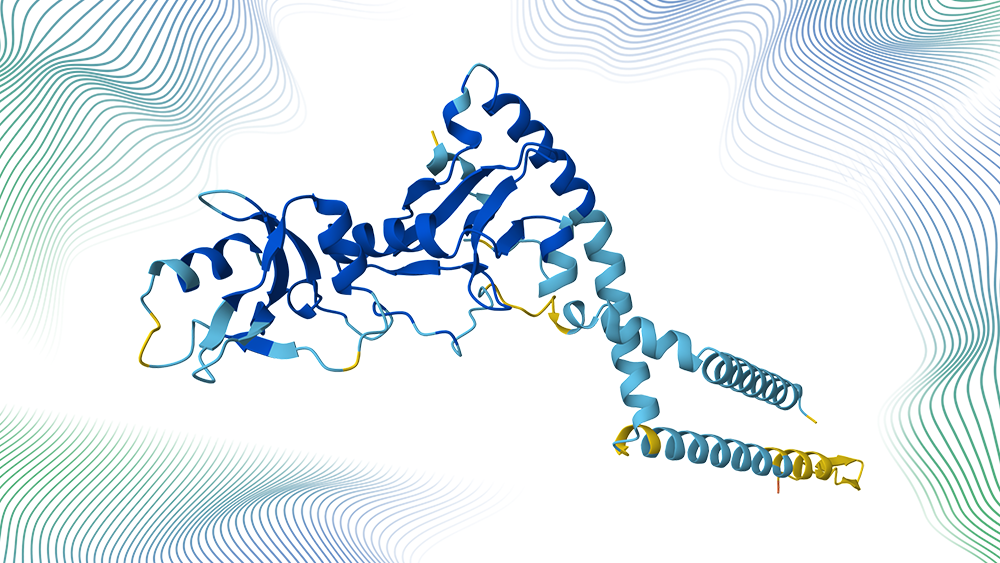
Researchers refer to these short protein fragments as uORF peptides. The abbreviation stands for upstream open reading frames. Many human genes contain such short sections of genetic information that can be translated into peptides, i.e., mini-proteins. These uORFs are located upstream of the region of mRNA that codes for the real protein product.
During cell division— known as mitosis—the production of proteins is greatly reduced. The team observed that the ribosomes, the cell’s protein factories, gathered specifically at the uORFs and began producing uORF peptides there.
“We were able to show for the first time that cancer cells increasingly use uORFs when mitosis is blocked and start producing the peptides,” explains Loayza-Puch. “These peptides are new to the immune system and could serve as a target for T cells – especially after treatment with cell division inhibitors such as paclitaxel.”
An approach for developing new, immune-based cancer therapies?
In laboratory experiments, the researchers succeeded in detecting these peptides on the surface of cancer cells. In addition, T cells were able to specifically recognize and kill cancer cells that presented these uORF peptides on their surface – a clear indication of their immunostimulatory effect.
These newly discovered “therapy-induced neoantigens” could potentially be used in the future to develop customized vaccines or combined immunotherapies that target tumors specifically. Particularly promising is the fact that the occurrence of uORF peptides does not appear to be limited to a specific tumor type, making them potential candidates for broadly applicable cancer vaccines.
“Our findings expand our understanding of the molecular changes that occur during cell division and how they can be therapeutically inhibited, and provide clues as to how we can intervene in a targeted manner with new therapeutic approaches,” said Angelika Riemer from the DKFZ, who is also a senior author of the study.
Alexander Kowar, Jonas P. Becker, Rossella Del Pizzo, Zhiwei Tang, Julien Champagne, Pierre-René Körner, Jasmine Montenegro Navarro, Fiona Megan Tilghman, Hanan Sakeer, Angelika B. Riemer, Reuven Agami, Fabricio Loayza-Puch: Upstream open reading frame translation enhances immunogenic peptide presentation in mitotically arrested cancer cells.
Nature Communications 2025, https://doi.org/10.1038/s41467-025-63405-2