KEY PROTEINS FOR MALARIA REPRODUCTION FOUND IN THE MOSQUITO

How can the malaria pathogen be prevented from multiplying successfully? Dr Franziska Hentzschel, a scientist at the Medical Faculty of Heidelberg University, has discovered a new approach to this. Her research is reported in the current issue of the renowned journal ‘Nature Microbiology’.
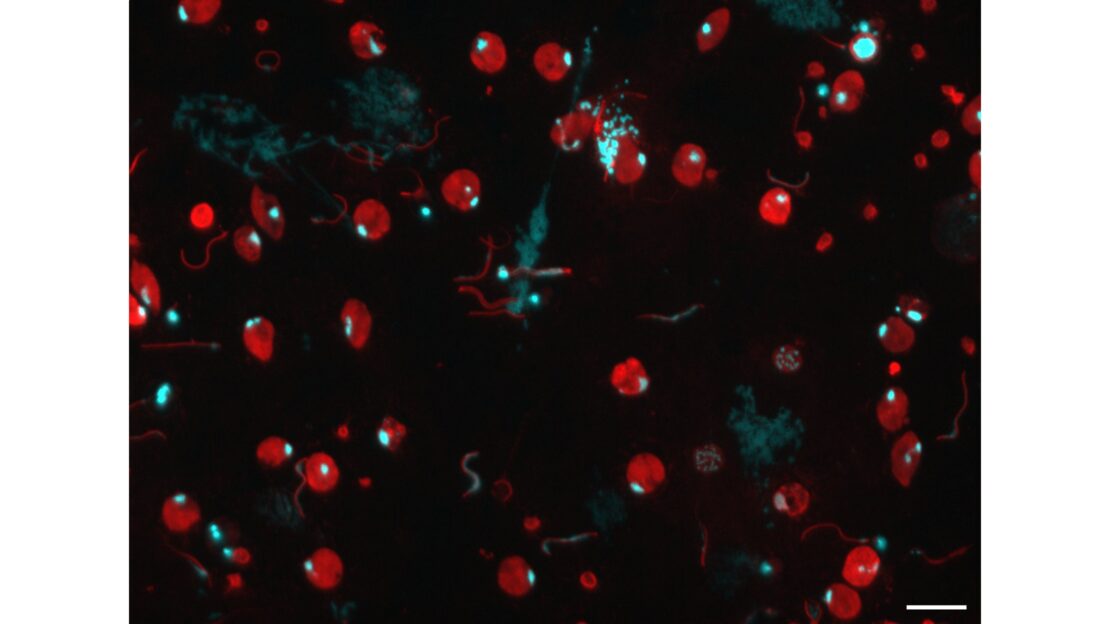
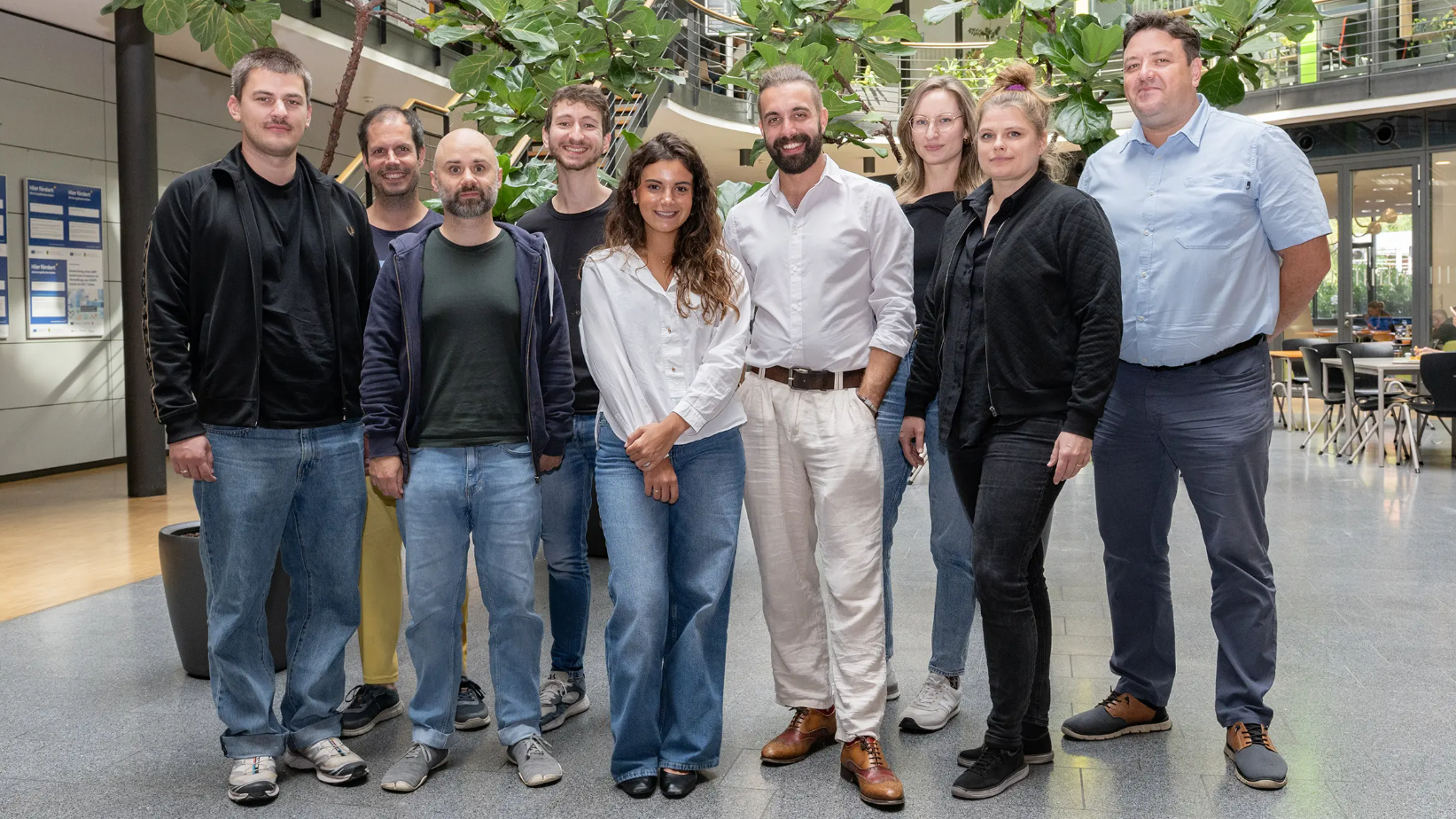
Malaria is triggered by the single-celled parasite Plasmodium, which is transmitted to humans by the Anopheles mosquito during bloodsuction. The parasite needs both hosts, mosquito and humans, to be able to fully develop. So far, however, it has hardly been researched which cell biological mechanisms the parasite uses in the mosquito to multiply. Many proteins that control the reproduction of the malaria pathogen are also not yet known. Dr. Franziska Hentzschel, head of the working group in the Department of Parasitology at the Center for Infectiology of the Heidelberg University Hospital and her team have now discovered a group of proteins that are essential for the successful sexual reproduction of the parasite in the mosquito. This discovery thus provides an important clue as to how the reproduction of the parasites could be blocked.
New discovery could advance malaria control
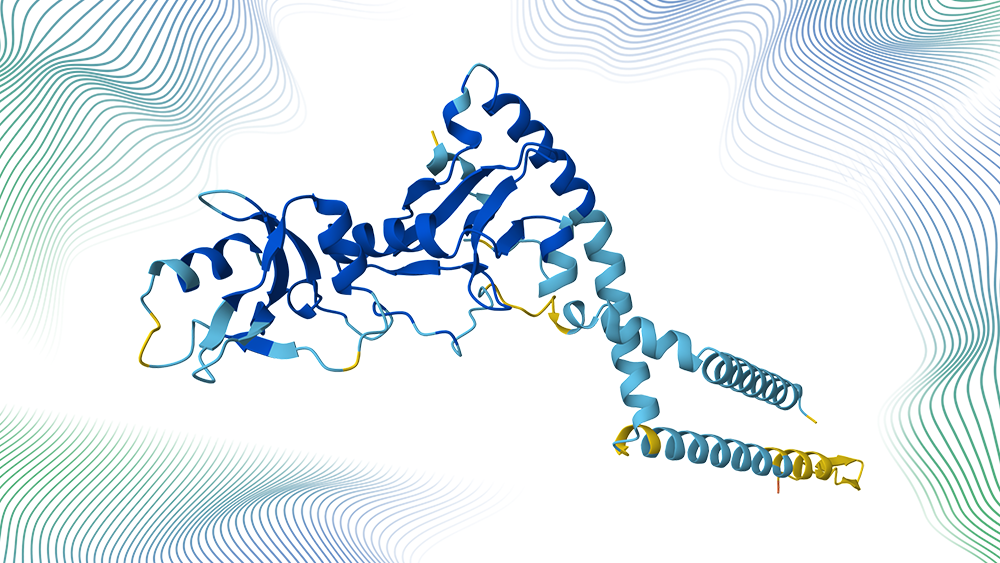
The newly discovered proteins join together to form a complex known in humans and many other organisms as the “Arp2/3 complex”. However, it has not yet been suspected in malaria parasites because no genes of this widespread Arp2/3 complex have been found in the parasite’s genetic material. Hentzschel now found out not only that Plasmodium has an Arp2/3 complex, but also that this complex has an unusual, previously unknown function: It ensures that the genetic material is correctly distributed in these cells during the formation of male sex cells. Without the Arp2/3 complex, the parasite males lack part of their genetic material. Particularly exciting for the fight: These “castrated” males can still fertilize females in the mosquito, but the parasite offstes die after just a few days, so they can no longer get into the salivary glands of the mosquito and be transferred to a new human host by a bite.
Currently, Hentzschel is investigating how the Arp2/3 complex is formed and activated, as well as the molecular mechanisms with which it controls the distribution of the genetic material. This research project is funded by a Starting Grant from the European Research Council (ERC) in the amount of 1.5 million euros for five years. She hopes to use her research to find potential points of attack in order to specifically interrupt the multiplication of the malaria pathogen in the future and to be able to stop the transmission of malaria. So far, there are millions of malaria infections and several hundred thousand deaths worldwide every year. In addition, new resistances occur again and again, which make a constant new development of drugs necessary. Although there is a vaccination that can reduce the number of diseases, it is not sufficiently effective.
Literature: Nature Micro, DOI: 10.1038/s41564-025-02023-6