July 31, 2025

New Research Unit in Basic Biomedical Research

New Research Unit in Basic Biomedical Research

German Research Foundation provides approx. five million euros in funding

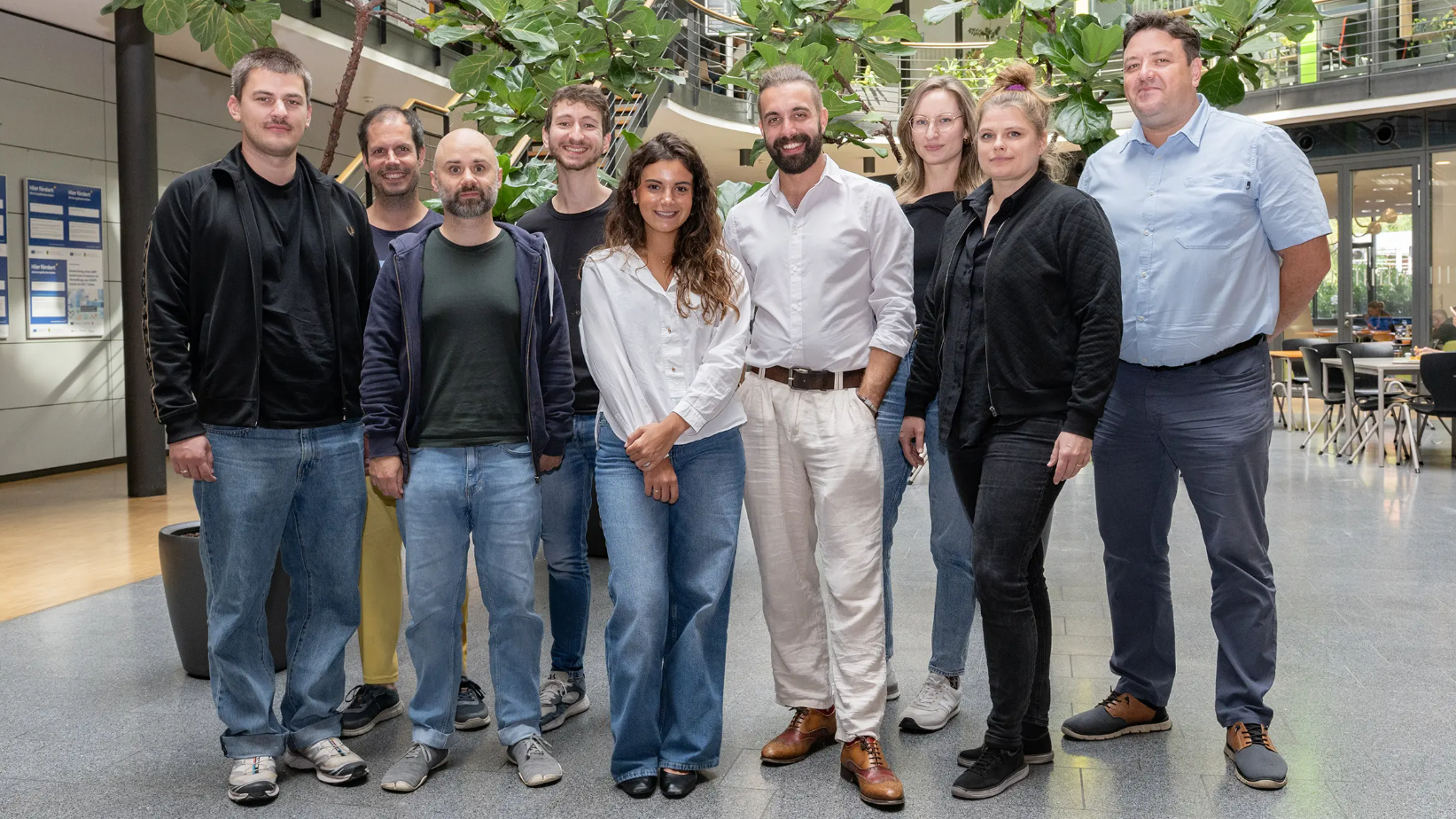
Heidelberg University has been successful in the most recent funding round of the German Research Foundation (DFG) with its proposal for a new DFG Research Unit in basic biomedical research. As part of this collaborative project, researchers are investigating the fundamental principles that enable organisms to adapt to changes in their environment. The Research Unit, titled “DynOrg”, involves eight other university locations and is coordinated by Prof. Dr Simon Wiegert from the Medical Faculty Mannheim. The DFG is funding the project with five million euros over a period of four years.

Porträt Simon Wiegert
Simon Wiegert | © Universitätsmedizin Mannheim

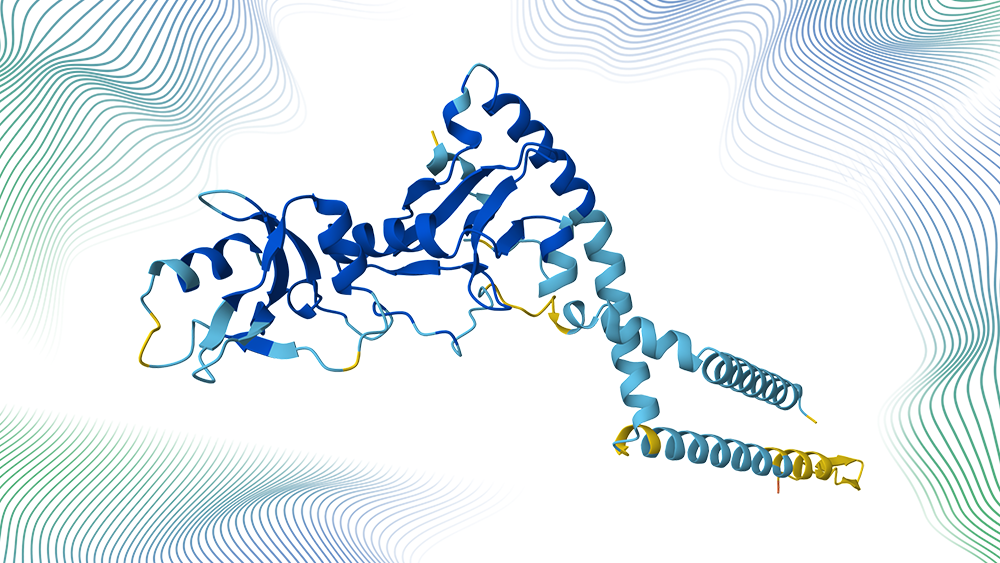
Environmental changes, such as threats from predators or heat, demand continuous adaptation. Whether physiological or behavioral, these adaptations typically occur as the result of a complex interplay between the autonomic and central nervous systems. In a threatening situation, for example, this can result in increased cardiac output and elevated levels of alertness. These adaptive responses are mediated by a small number of transmitter molecules. They act on a wide range of G protein-coupled receptors (GPCRs), which play a key role in cellular signal transduction. GPCRs are capable of coupling extracellular signals to intracellular second messenger pathways, thereby regulating many cellular processes. These receptors are the focus of the Research Unit “Dynamic Integration of GPCR Signaling Pathways for the Control of Organ Function and Animal Behavior” (DynOrg).

“Although the effects of most transmitters and the general function of specific signaling cascades are well known, we still only have a limited understanding of how GPCR signaling controls our organs and ultimately our behavior,” explains Simon Wiegert, Head of the Neurophysiology Department at the Medical Faculty Mannheim. “Our goal is therefore to investigate the fundamental principles of GPCR signaling in various animal models to better understand the principal regulatory patterns behind adaptive processes.” As the researcher notes, this interdisciplinary approach aims to generate new insights into fundamental biological questions, including organ function and disease pathologies. 

The new research network brings together experts in optogenetics, GPCR research, physiology, and pathophysiology. The consortium for the DFG-funded Research Unit was established by Prof. Wiegert in collaboration with Prof. Dr Dr Tobias Brügmann of the University Medical Center Göttingen. Simon Wiegert is a member of the Mannheim Center for Translational Neuroscience (MCTN), which offers a platform for basic researchers as well as translational and clinical neuroscientists. He is also an expert in optogenetics, a technology that uses light to precisely control the activity of nerve cells. For his research, Prof. Wiegert has already received both a Starting Grant and a Proof of Concept Grant from the European Research Council (ERC). 
Further Information

Our latest News

discover more
The Heidelberg and Mannheim University Hospitals consortium has taken first place in the Stern hospital rankings

The Heidelberg and Mannheim University Hospitals consortium has taken first place in the Stern hospital rankings

For the first time in 14 years, there has been a change at the top of the hospital rankings, which are published annually by the MINQ Institute in collaboration with Stern. In its very first year of existence, the Heidelberg and Mannheim University Hospitals Consortium has taken first place. More information in German below: Zusammen […]

Presentation of the EY German Biotechnology Report 2026 in Heidelberg: Strong Innovation Ecosystems Are Key to Scaling Innovation

Presentation of the EY German Biotechnology Report 2026 in Heidelberg: Strong Innovation Ecosystems Are Key to Scaling Innovation

Heidelberg, 11 June 2026 – Germany continues to produce world-class science, breakthrough technologies and highly innovative biotechnology companies. However, the challenge is no longer generating innovation – it is creating the conditions that allow innovation to scale. This was one of the central messages emerging from the presentation of the EY German Biotechnology Report 2026, […]

CELASC 2026 presentation: Impact of topical lidocaine-prilocaine analgesia on pain-induced grooming after ear notching of mice

CELASC 2026 presentation: Impact of topical lidocaine-prilocaine analgesia on pain-induced grooming after ear notching of mice

Finnish animal welfare legislation (Government Decree 1165/2023) effective as of January 1, 2024, requires establishments to apply “appropriate pain relief” in association with ear notching identification method of laboratory rodents(1). However, there is a lack of scientific evidence whether the benefits of applying analgesia outweigh the additional stress related to handling and drug administration. Our […]

GET IN TOUCH

Stay Updated with bioRN’s Newsletter

Sign up for our newsletter to discover more!
* required

BioRN (BioRN Network e.V. and BioRN Cluster Management GmbH) will use the information you provide on this form to be in touch with you and to provide updates and marketing. Please let us know all the ways you would like to hear from us:

You can update your subscription preferences or unsubscribe at any time. Just follow the unsubscribe or update link in the footer of automated emails you receive from us, or by contacting us at info@biorn.org. We will treat your information with respect. For more information about our privacy practices please visit our website: www.biorn.org. By clicking below, you agree that we may process your information in accordance with these terms.

We use Mailchimp as our marketing platform. By clicking below to subscribe, you acknowledge that your information will be transferred to Mailchimp for processing. Learn more about Mailchimp's privacy practices.

Intuit Mailchimp