NGS-based diagnostics for identifying sepsis pathogens wins EARTO Innovation Award

A method developed at the Fraunhofer Institute for Interfacial Engineering and Biotechnology IGB enables bacterial, viral, fungal, or parasitic pathogens in sepsis patients to be identified much faster than before and with the highest precision. The approach is based on high-throughput sequencing of cell-free DNA circulating in the blood and was honored with the EARTO Innovation Award in the “Impact Delivered” category on October 14, 2025, in Brussels. The diagnostic kit is already approved for the indication of sepsis and is available as an IVD-certified product in routine care.
The European Association of Research and Technology Organizations (EARTO) represents over 350 research and technology organizations in more than 32 European countries, including the Fraunhofer Institute for Interfacial Engineering and Biotechnology IGB. Since 2009, EARTO has presented its annual Innovation Awards to recognize the important contribution its members make to the development of the economy and society.
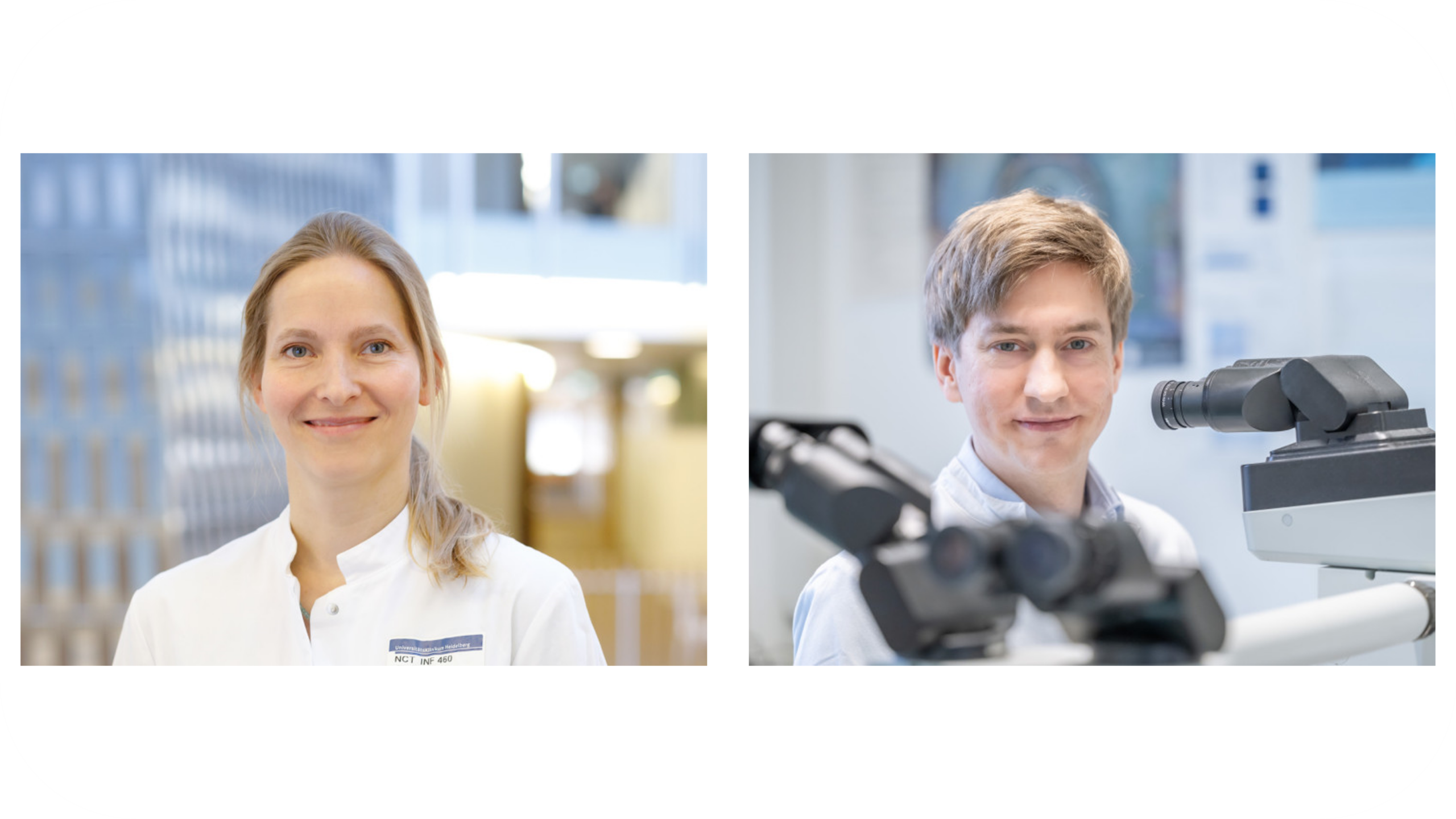
At this year’s award ceremony on October 14, 2025, in Brussels, a new approach to pathogen diagnostics in intensive care patients was honored. The method developed at Fraunhofer IGB is based on high-throughput sequencing using next-generation sequencing (NGS) of the genetic material of pathogens isolated from patients’ blood. Dr. Kai Sohn, head of the In-vitro Diagnostics department at Fraunhofer IGB, accepted the second prize in the “Impact delivered” category.
Faster and more accurate thanks to high-throughput DNA sequencing
In most hospitals, sepsis pathogens are still detected using traditional blood cultures. This involves culturing the bacteria in a blood sample from the patient in the laboratory, which is associated with significant delays. As a result, the pathogen detection required for targeted anti-infective therapy often comes too late. Furthermore, blood cultures yield a positive result in only 30 percent of cases at most.
The new Fraunhofer method therefore makes use of the pathogens’ genetic material or fragments thereof in the blood. Like all cells, the various pathogens release their genetic material in the form of circulating cell-free DNA fragments (cfDNA). Researchers can isolate and sequence up to 30 million DNA fragments from a blood sample. If fragments of non-human origin are found, the sequence data is compared with a specially established database containing the genome sequences of bacteria, viruses, fungi, and parasites. This allows pathogens to be clearly and reliably identified within just 24 hours.
Impact delivered: Clinical studies confirm highly accurate pathogen identification
In clinical studies conducted by Essen University Hospital, the new approach was compared with previous diagnostic standards. The studies confirm that the NGS method has excellent performance characteristics: for example, the causative pathogen was identified in more than 60 percent of all blood samples examined. Compared to blood culture, NGS diagnostics led to a positive result four times more often at the onset of sepsis and ten times more often three days after the onset of sepsis. This precise diagnosis is followed by a therapy specifically tailored to the causative pathogen. This allows patients to leave both the intensive care unit and the hospital much faster and enjoy a higher quality of life after discharge. Since the treatment of sepsis is a significant cost driver, this should provide noticeable relief for both hospitals and health insurance companies.
The diagnostic procedure is commercially distributed by Noscendo GmbH, a spin-off from Fraunhofer IGB. If clinics are unable to use the procedure themselves in affiliated central laboratories, the start-up offers the option of sending in samples at any time and having them analyzed within a very short time. Over the past five years, this has enabled the blood samples of more than 15.000 patients to be examined.
EARTO Innovation Award: Innovations for the benefit of the economy and society
The annual EARTO Innovation Award recognizes an innovation with significant social and/or economic impact that has been developed with the significant involvement of an EARTO member. An independent jury evaluates the entries and selects the winner(s). In the “Impact Delivered” category, EARTO honors innovations that are already on the market and have proven their impact, while the “Impact Expected” category recognizes innovations that are not yet on the market but have great potential.
This year’s EARTO Innovation Awards ceremony took place as part of EARTO’s 25th anniversary celebrations on October 14, 2025, at the BELvue Museum in Brussels.
Further information about EARTO and the award
Further information from the Action Alliance for Patient Safety
What is Sepsis?
In sepsis, colloquially known as blood poisoning, the body’s immune response to an infection, e.g., with bacteria or viruses, can be so severe that organs and tissues are massively damaged or fail completely. This makes the disease life-threatening. In Germany, up to 300 000 people contract sepsis every year; at least 85 000 die from or with sepsis.