August 20, 2026

Overlooked Molecules in Metabolism
Overlooked Molecules in Metabolism

KIT researchers offer a new perspective on N-acetylated amino acids as potential buffers in cellular energy and metabolic balance

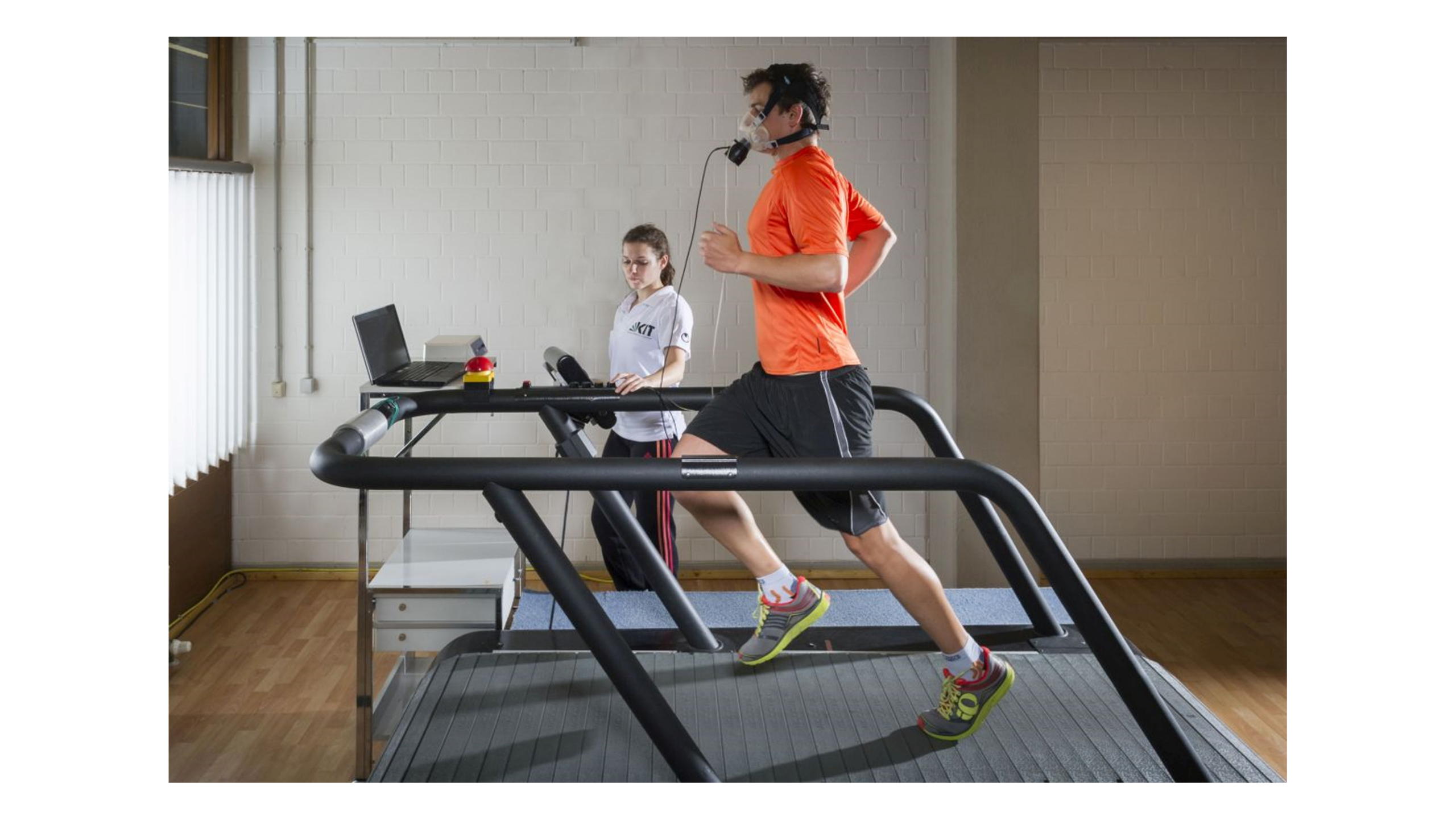
At Full Throttle: During intense physical exercise, sports scientists at KIT observed an increase in N-acetylated amino acids in the blood of test subjects. This raised the question of their role in metabolism. (C) IFSS, KIT

When muscles work intensively or brown adipose tissue produces heat in response to cold, metabolism shifts into high gear. Under these conditions, levels of so-called N-acetylated amino acids increase. These are chemically modified amino acids to which an acetyl group is attached. The functions of these molecules, however, remain largely unclear.

For a conceptual review paper, two researchers from Karlsruhe Institute of Technology (KIT) have now brought together findings from sports science, metabolism research, and cell biology and developed a new explanatory model. Their starting point was their own research: At KIT’s Institute of Sports and Sports Science (IfSS) at KIT, Professor Achim Bub and Dirk Weber had observed an increase in several N-acetylated amino acids during intense physical exercise. Similar findings have been reported for brown adipose tissue exposed to cold. Until now, these molecules have primarily been regarded as byproducts of protein degradation.

A Kind of Temporary Storage?

According to the authors, the studies reviewed suggest that this explanation may not be sufficient. Instead, N-acetylated amino acids could act as a kind of metabolic buffer by temporarily binding amino acids and acetyl groups and making them available again later. In this way, they could help maintain cellular energy and metabolic balance during periods of high metabolic activity.

“We propose a concept that adds a previously overlooked layer to metabolic regulation,” says Dirk Weber, doctoral researcher at the IfSS Exercise Physiology and Nutrition department. “Whether N-acetylated amino acids actually perform such a buffering function now needs to be investigated experimentally.” Future studies will therefore need to clarify how the “overlooked” molecules are formed, what role they play in different tissues, and whether they may also be relevant to metabolic diseases.

jha, August 18, 2026

Our latest News

discover more
Overlooked Molecules in Metabolism

Overlooked Molecules in Metabolism

KIT researchers offer a new perspective on N-acetylated amino acids as potential buffers in cellular energy and metabolic balance When muscles work intensively or brown adipose tissue produces heat in response to cold, metabolism shifts into high gear. Under these conditions, levels of so-called N-acetylated amino acids increase. These are chemically modified amino acids to […]

A local barrier against respiratory viruses

A local barrier against respiratory viruses

Fraunhofer IGB News Brief / August 18, 2026 How can a respiratory virus be stopped before it spreads throughout the body? In the MucoShield project, Prime Vector Technologies, the NMI Tübingen, and Fraunhofer IGB are developing an intranasal vaccine candidate against human metapneumovirus (HMPV), which causes hundreds of thousands of cases of severe respiratory disease […]

Universität Heidelberg Achieves Top Placements in Shanghai Ranking

Universität Heidelberg Achieves Top Placements in Shanghai Ranking

Ruperto Carola in 59th place worldwide – among the “Top 3” in Germany Heidelberg University has achieved top placements in the 2026 Academic Ranking of World Universities. As in the previous year, it is one of the “Top 3” universities in Germany. In the global comparison, Ruperto Carola is in 59th position in this so-called […]

GET IN TOUCH

Stay Updated with bioRN’s Newsletter

Sign up for our newsletter to discover more!
* required

BioRN (BioRN Network e.V. and BioRN Cluster Management GmbH) will use the information you provide on this form to be in touch with you and to provide updates and marketing. Please let us know all the ways you would like to hear from us:

You can update your subscription preferences or unsubscribe at any time. Just follow the unsubscribe or update link in the footer of automated emails you receive from us, or by contacting us at info@biorn.org. We will treat your information with respect. For more information about our privacy practices please visit our website: www.biorn.org. By clicking below, you agree that we may process your information in accordance with these terms.

We use Mailchimp as our marketing platform. By clicking below to subscribe, you acknowledge that your information will be transferred to Mailchimp for processing. Learn more about Mailchimp's privacy practices.

Intuit Mailchimp