QuantiLight licences Max Planck sensor technology
Exclusive global licence forms the basis for a portable system for the rapid determination of drug levels following organ transplants
© QuantiLight
To the Point
- Licence agreement: QuantiLight and Max Planck Innovation have entered into an exclusive worldwide licence agreement for bioluminescent sensor technology. The technology stems from research carried out at the Max Planck Institute for Medical Research in Heidelberg and at the École Polytechnique Fédérale de Lausanne.
- Testing system: QuantiLight intends to use it to develop a portable testing system for determining drug concentrations and biomarkers. The initial focus is on monitoring medication following organ transplants.
Transplant recipients require regular blood tests to ensure that the concentration of anti-rejection drugs remains within an appropriate range. Too low a drug concentration can increase the risk of organ rejection, whilst too high a concentration can lead to toxicity and other complications. Current monitoring often requires a blood sample to be taken, a trip to a clinic or laboratory, and time for the sample to be analysed by a central laboratory.
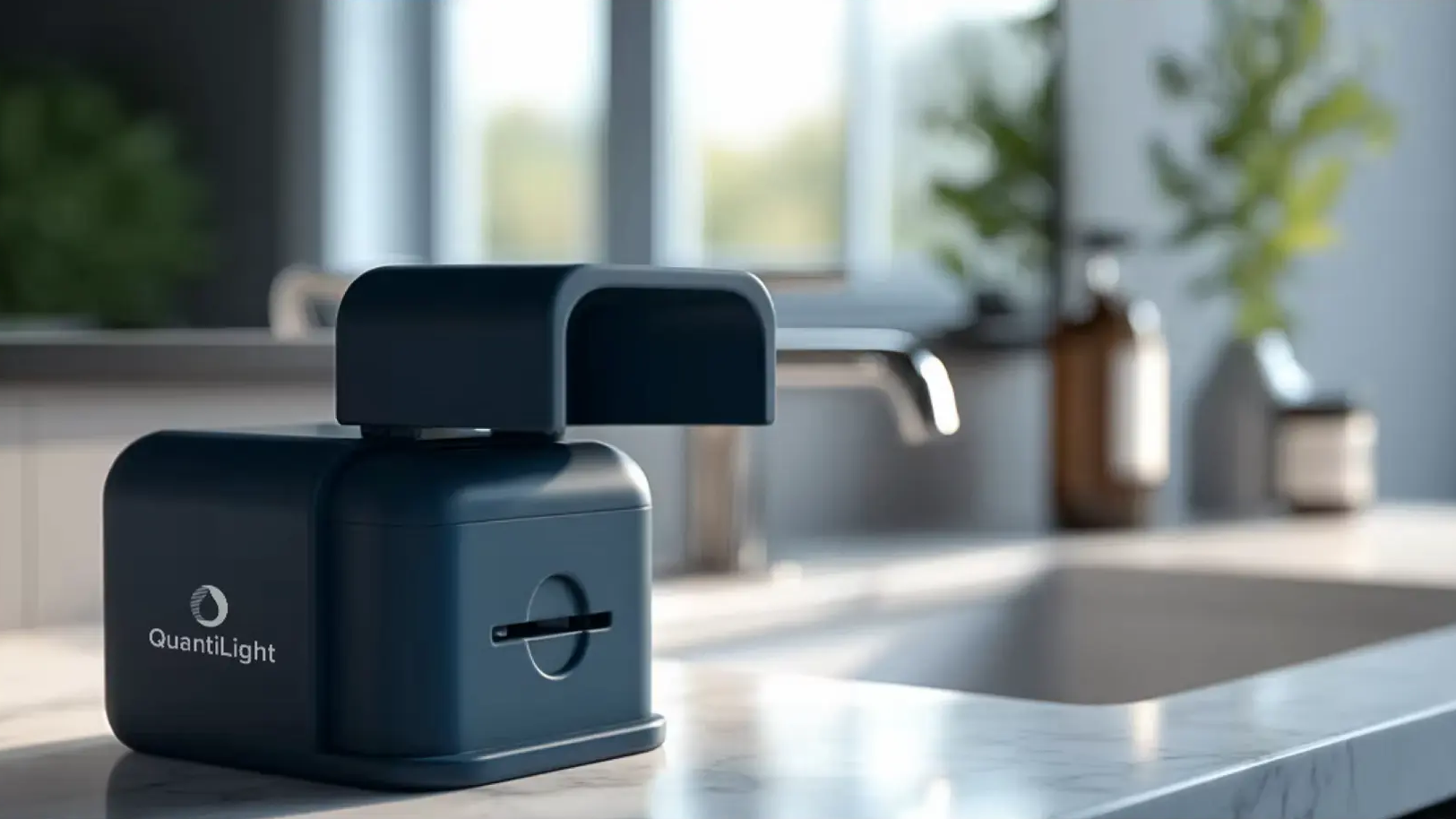
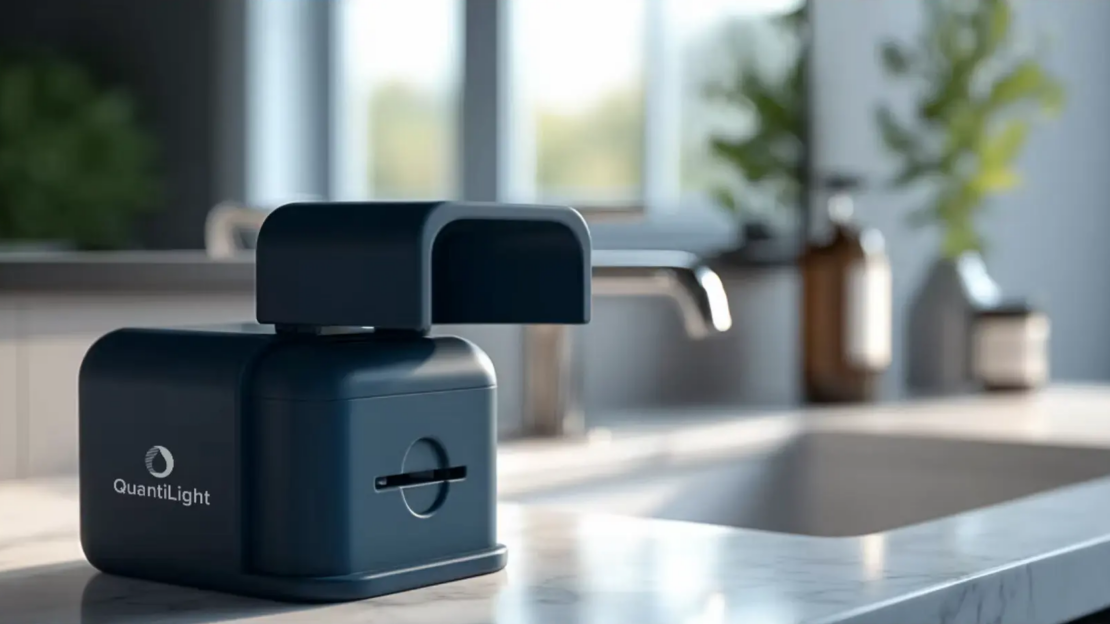
QuantiLight is developing a portable system that combines a single-use test cassette with a compact reader. Engineered sensor proteins emit light and change colour when they encounter a specific drug or biomarker; the reader converts this change into a numerical result. The company’s development goal is to provide results from a small sample, including blood from a finger prick, in around 15 minutes during a clinic visit and, ultimately, at home as well.
“Transplant recipients have already undergone a life-changing procedure, yet many still have to travel regularly for drug concentration tests,” says Corentin Gondrand, co-founder and CEO of QuantiLight. “Our primary aim is to provide patients and healthcare teams with faster access to the information they need, closer to where care is provided.”
Reliable point-of-care test is needed
In 2025, more than 183,879 solid organ transplants were reported across 96 countries. For these patients, timely information on drug levels can help doctors strike a balance between protecting the transplanted organ and managing the potential toxicity of immunosuppressive treatment. “A reliable point-of-care test could make routine monitoring more convenient for transplant recipients and provide doctors with important information sooner,” says Burkhard Tönshoff, scientific advisor at Heidelberg University Hospital and head of the CERTAIN research network.
As the sensors can be developed for various molecular targets, QuantiLight intends to develop a range of assays rather than a single test. The company also plans to collaborate with pharmaceutical and biotechnology firms to develop assays that can measure drug exposure, safety markers and response to treatment closer to the patient in clinical trials. “This agreement creates a path to turn fundamental chemical biology into practical measurement tools for patient care and drug development,” adds Kai Johnsson, Director of the Department of Chemical Biology at the Max Planck Institute for Medical Research, .
The licence agreement grants QuantiLight exclusive worldwide rights to develop and commercialise the licensed technology. The test platform and the first applications are still under development. Analytical and clinical trials, as well as the necessary regulatory approvals, are required prior to clinical use.