Role of intestinal bacteria in the development of colorectal cancer: Emmy Noether grant for DKFZ researcher Jens Puschhof
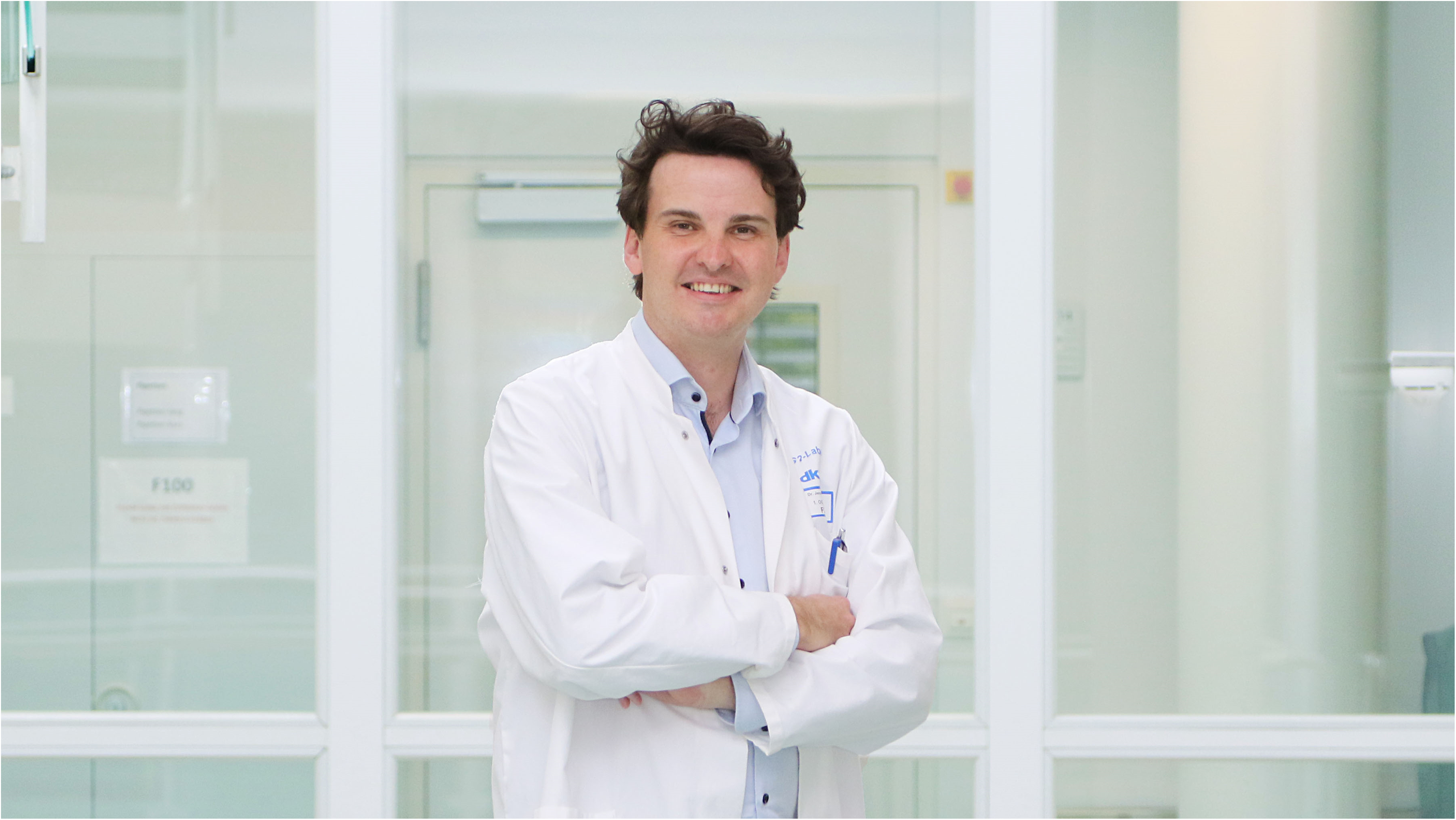
The German Research Foundation (DFG) is funding a new Emmy Noether project led by Jens Puschhof from the German Cancer Research Center (DKFZ). With this project, the junior researcher aims to decipher the role of certain intestinal bacteria in the earliest stages of colorectal cancer development and investigate how this process can be halted. The long-term goal is to develop new preventive strategies against colorectal cancer.
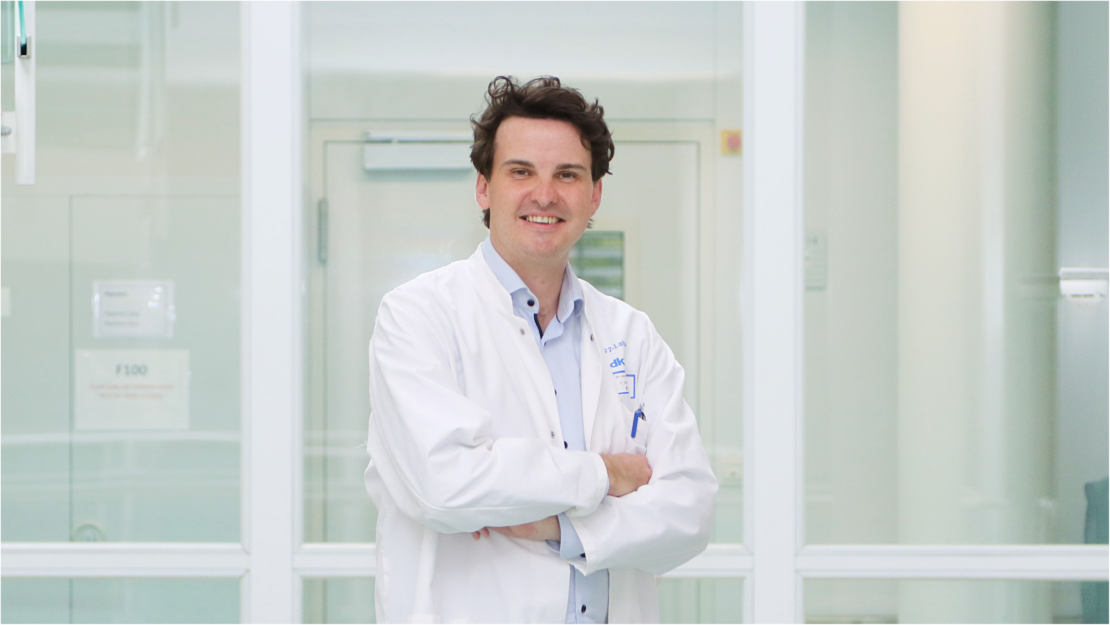
Jens Puschhof
In recent years, scientists have discovered that certain bacteria in the intestine can alter the genome of intestinal cells. A key player in this process is the toxin colibactin, which is produced by certain strains of the bacterium E. coli. Colibactin causes mutations in the genome – a mechanism that can contribute to the development of cancer in the long term.
“We now know that traces of these bacterial mutations appear early in life – long before a tumor even develops,” explains Jens Puschhof, junior research group leader at the DKFZ. “This opens up completely new possibilities for prevention. That’s why we want to investigate when and how these genetic changes occur.” Puschhof is now receiving funding (€1.5 million over six years) for this research project from the DFG’s Emmy Noether Program.
Until now, there has been no conclusive evidence that the mutation patterns found in patients are actually directly attributable to specific coli bacteria. One reason why is that most studies are conducted at late stages of tumor development—at a point when the composition of the gut bacteria has already changed significantly.
Jens Puschhof’s project therefore starts at an earlier stage, with the precursors of colon cancer. In patients suffering from the genetic disease familial adenomatous polyposis (FAP), one copy of the important tumor suppressor APC is defective. This leads to the development of numerous intestinal polyps at an early stage. If the second copy of APC in the intestinal cells fails due to mutation, cancer is highly likely to develop. This patient group offers a unique opportunity to systematically study the role of genotoxic bacteria over time.
Puschhof wants to observe whether bacteria-induced mutation signatures occur in FAP patients and how their intestinal microbiome develops over time. In this way, he hopes to find out at what time and in what context different bacteria contribute to the development of mutations and the malignant transformation of precancerous colon cancer lesions. He also plans to analyze which proteins the bacteria use to attach themselves to the surface of intestinal cells—a crucial first step that precedes mutagenesis.
Ultimately, the researchers’ goal is to develop strategies to prevent this harmful process as effectively as possible. “In the long term, we hope to be able to target carcinogenic bacteria and thus pave the way for new preventive strategies against colorectal cancer,” explains Jens Puschhof, adding: “The concepts developed in this way may later also be transferable to patients with sporadic colorectal cancer.”
With the Emmy Noether Program, the DFG enables outstanding young scientists to establish their own research groups and thus pave the way for a long-term scientific career in Germany.