Sweet gene regulation in the mammalian embryo
EMBL researchers showed for the first time that adding a sugar to proteins inside cells is crucial for embryo development and for shutting down completely harmful parts of the genome in vivo
Protein modifications are key to cell survival because they ensure they do what they are supposed to do in a healthy system.
One vital modification involves adding sugar molecules to proteins, a process known as glycosylation. Previous studies have shown that this modification is required for the dynamic regulation of essential cellular functions, such as the cell’s life cycle, and even how cells break down sugar to create energy (a process known as glycolysis).
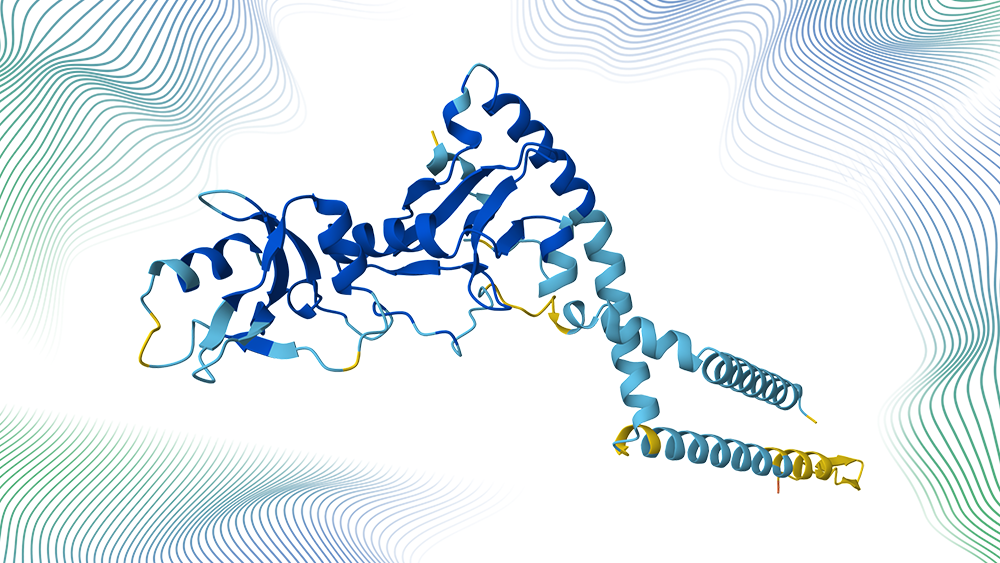
There is only one enzyme capable of attaching a sugar to the proteins that reside inside the cell, and it is called OGT (O-GlcNAc transferase). The mammalian OGTgene is located on the X chromosome, and it is known to be essential for early development. However, so far it has not been possible to clarify whether its presence or its catalytic activity is required.
Researchers in the group of Mathieu Boulard at EMBL Rome decided to overcome this problem by creating a series of mouse models with gradually reduced levels of OGT’s catalytic activity. They observed a clear correlation between less OGT activity and more severe effects on embryonic development. Their results showed that OGT played an important catalytic role, and it wasn’t just potential structural properties that made it important to cell function.
Embryos with milder OGT mutations survived, but showed a slight developmental delay, particularly in males. The scientists explained that this difference was due to a higher level of OGT in mutant females in some tissues, due to an escape mechanism from X chromosome inactivation (XCI).
XCI occurs in female mammalian cells where one copy of the X chromosome is randomly inactivated. This ensures that females activate the same level of X-linked genes as males with only one X chromosome.
However, OGTis unusual in that males and females express different levels. In females, OGT escapes XCI in the extra-embryonic tissues that give rise to the placenta, resulting in a double dose of OGT in these tissues. Previous studies have found that the double dose of OGT in female mouse placentae is responsible for the higher resistance of female mouse embryos to maternal stress compared to their male littermates.
“We have demonstrated that OGT activity is required for embryonic development,” said Sara Formichetti, former predoc in the Boulard group and currently postdoctoral fellow at the Institut Pasteur in Paris. “Even if the molecular mechanism remains to be understood, our data could be significant: O-GlcNAc is the only sugar attached to proteins by OGT within the cell, and it is sensitive to nutrients’ availability in the environment. Our hypothesis is that O-GlcNAc may act as a mediator linking external cues to control development and growth, as a form of environmental adaptation.”
In humans, OGT mutations are associated with X chromosome-linked intellectual disabilities (referred to as XLID), a neurodevelopmental syndrome that affects mostly males, with heterogeneous symptoms including decreased intellectual ability, low birth weight, short stature, drooling, compromised language skills and often anatomical brain and body anomalies.
“It is remarkable that the double dose of OGT in the female placenta is also observed in humans. It is therefore possible that OGT is responsible for the different susceptibility of female versus male human embryos to metabolic syndromes arising during the gestational period.” Boulard said.
Source article(s)
Genetic gradual reduction of OGT activity unveils the essential role of O-GlcNAc in the mouse embryo
Formichetti, S. et al.,
PLoS Genetics 9 Jan 2025