Universität Heidelberg Succeeds with Three Funding Applications for Collaborative Research Centres
DFG grants around 35,6 million euros to extend two transregional consortia and one CRC
Heidelberg University has been successful in the current approval round of the German Research Foundation (DFG) with three grant applications for major research consortia. In the life sciences and medicine, a Collaborative Research Centre working on the Wnt signaling pathway will enter its third funding period. Two transregional consortia with major participation by researchers from Ruperto Carola have also been extended. One of these CRC/Transregios is based in the life sciences and involves research conducted in collaboration with Johannes Gutenberg University Mainz on the modification and processing of RNA. The mathematical technique of uniformization in geometry and arithmetic is the focus of the other CRC/Transregio, which is supported by scientists from the universities of Frankfurt, Heidelberg, and Darmstadt. For the three Collaborative Research Centres, each of which will receive funding for four years, the DFG is allocating funds totaling approximately 35,6 million euros.
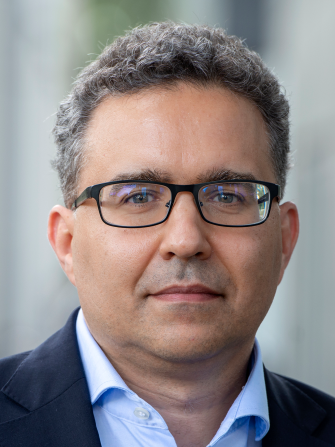
CRC 1324 “Mechanisms and Functions of Wnt Signaling” focuses on signaling proteins, which control central processes in cell differentiation, and which have been implicated in many human diseases, including tumorigenesis and cardiovascular disease. As essential developmental factors, they regulate organ development and control stem cell behavior. Disruptions in the Wnt signaling network can lead to serious diseases in humans, such as cancer, developmental disorders, and tissue fibrosis. Previous work has investigated the Wnt signaling pathway using molecular approaches to understand the mechanisms of signal transduction and to place them in a spatial and temporal context during organ development and the development of disease. In the third and last funding period, the researchers want to build a bridge from the in-vivo functions analysis of Wnt signaling pathways to disease models in oncology, cardiology and nephrology. CRC 1324 spokesperson is Prof. Dr Michael Boutros from the Institute of Human Genetics at the Medical Faculty Heidelberg of Heidelberg University. The DFG is funding the Collaborative Research Centre with approximately 10,9 million euros.
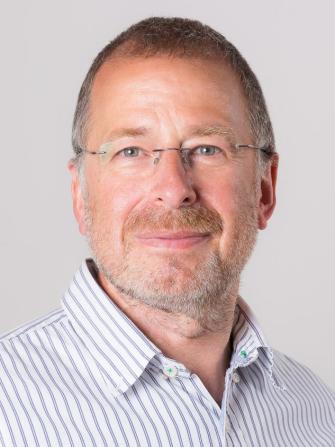
The research topic of CRC/TRR 319 “RMaP: RNA Modification and Processing” is ribonucleic acids – molecules responsible for transferring genetic information into proteins in cells. The transregional consortium in Heidelberg and Mainz wants to discover how different maturation and modification steps influence one another during RNA biogenesis. The researchers are studying the interplay between RNA processing and RNA modification pathways in different types of ribonucleic acids and at the level of fundamental mechanisms. In the second funding phase, further angles are to be drawn into the studies, such as chemical changes in the RNA caused by damage. The scientists expect to gain fundamental insights into the mechanistic and functional processes of what is known as epitranscriptomics, which deals with the biological effects of RNA modifications, also in disease contexts. Prof. Dr Andres Jäschke from Heidelberg University’s Institute of Pharmacy and Molecular Biotechnology is co-spokesperson of CRC/TRR 319, which is coordinated by Johannes Gutenberg University Mainz. Funding amounting to around 11,6 million euros has been approved for the research studies.
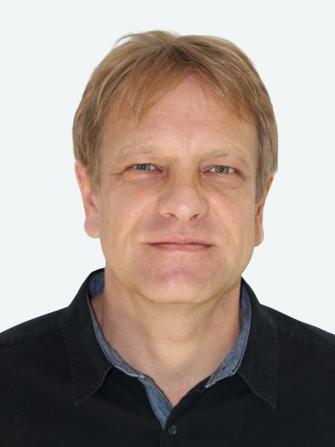
CRC/TRR 326 “Geometry and Arithmetic of Uniformized Structures” concentrates on the mathematical technique with which complicated geometric objects can be replaced by simpler ones without changing the local properties. The original complexity is encoded in a suitable symmetry group, i.e., translated into another “language”. This approach opens up new pathways to study the original object. The research seeks to expand techniques of uniformization and refine them to deal with central challenges. The aim during the second funding period is to apply them to a host of geometric and arithmetical questions as a “key structure”. The researchers from Frankfurt, Heidelberg, and Darmstadt hope to gain new insights, among other things, into moduli spaces in which every point represents a certain mathematical object. That makes it possible to study and classify the “collection” of these objects. CRC/TRR 326 is coordinated by Goethe University Frankfurt. Co-spokesperson at Heidelberg University is Prof. Dr Alexander Schmidt, a scientist at Ruperto Carola’s Institute for Mathematics. The transregional consortium will receive DFG funding amounting to approximately 13,1 million euros.